

PDRN has quietly taken over skincare shelves, showing up in serums, ampoules, and toners with names like “salmon DNA” attached.
If your skin breaks out easily, that label alone probably makes you pause before adding it to your cart.
The hesitation makes sense. Acne-prone skin reacts fast, and a wrong pick can undo weeks of careful routine building in a single week.
That risk is exactly why this question matters so much, because the wrong answer costs you clear skin, not just money.
The good news is that PDRN’s safety for acne-prone skin has a clear, evidence-backed answer, and this guide walks through every piece of it.
What Is PDRN and How Does It Work
PDRN stands for polydeoxyribonucleotide, a compound built from short DNA fragments.
Most skincare and medical formulas pull this material from the sperm cells of salmon trout or chum salmon, then purify it heavily before use.
That purification step matters a lot, since it strips away proteins and other material your immune system might otherwise flag as foreign.
Once applied to skin, PDRN works mainly through something called the adenosine A2A receptor. A detailed review of marine-derived biomedical compounds explains that activating this receptor drives new blood vessel growth, calms inflammation, and pushes skin cells toward faster repair.
That same review notes that South Korea’s food and drug regulator approved PDRN years ago as a therapeutic compound for wound and tissue repair, long before skincare brands adopted it. That approval history explains why PDRN moved from hospital wound care into cosmetic serums, since the same repair signal that heals a wound can also smooth and refresh skin. Read more on the biomedical applications of marine-derived PDRN.
Benefits of PDRN for Skin
PDRN’s core strength is repair, and that shows up across several different skin concerns at once.
- Boosts collagen and elastin production for firmer, springier skin over time.
- Speeds up healing after laser treatments, microneedling, or irritation.
- Deepens hydration by supporting the skin barrier’s natural moisture retention.
- Calms redness and inflammation through its adenosine receptor activity.
- Improves circulation, which helps skin look brighter and less dull.
These benefits explain why PDRN gained traction across so many different skin concerns, not just aging.
Its dual role as a hydrator and a repair agent is what makes people start wondering if it could also help with acne marks and irritation.
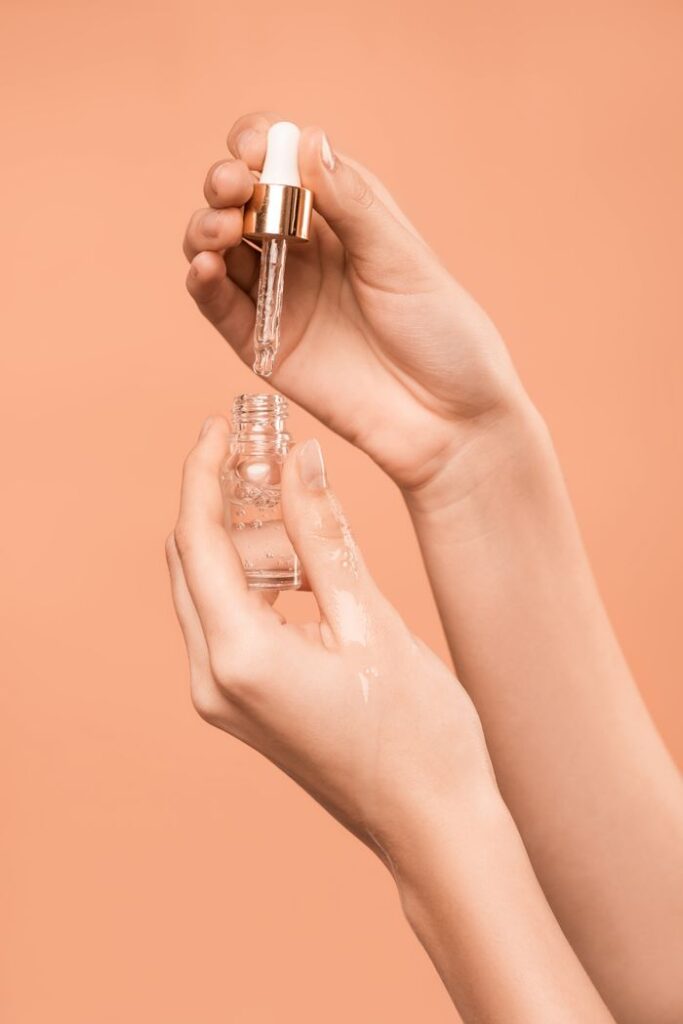
PDRN tends to suit a wide range of skin types, since its main job is repair rather than exfoliation or oil control.
Dry and mature skin often responds best, thanks to the hydration boost and the support for collagen that naturally declines with age.
Sensitive or reactive skin can also tolerate PDRN well, largely because purified formulas carry a low risk of triggering allergic responses.
Oily skin can use it too, though the texture of the product matters more here than the ingredient itself.
The real nuance shows up once acne enters the picture, which is where the next section takes over.
Is PDRN Skincare Safe for Acne Prone Skin
Yes, PDRN is generally considered safe for acne-prone skin, though the full picture depends on which formula you pick and how active your breakouts currently are.
Its anti-inflammatory action and gentle purified structure mean it rarely triggers new irritation on its own.
The bigger risk sits with the base formula PDRN is mixed into, since heavy creams and oils can clog pores regardless of what active ingredient they carry.
The subtypes below break this down further, since oily, sensitive, combination, and dry acne-prone skin each carry their own small caveats worth knowing before you buy.
Oily and Acne-Prone Skin
Oily, acne-prone skin can react badly to rich, heavy textures, and that risk has nothing to do with PDRN itself.
A guide focused specifically on PDRN and oily routines found that lightweight, oil-free formulas carry the lowest risk of clogging pores during acne-prone skincare.
Gel serums and thin ampoules tend to work far better here than dense creams packed with extra emollients.
Active breakouts also deserve caution, since piling on any new active while skin is already inflamed can slow healing rather than speed it up.
Sensitive Acne-Prone Skin
Sensitive skin that also deals with acne needs a gentler entry point than other skin types.
Because PDRN is purified down to mostly DNA fragments with little leftover protein, reaction rates in clinical use stay quite low.
Still, sensitive skin often reacts to fragrance, preservatives, or other ingredients bundled into the same product, not PDRN itself.
Patch testing on the inner arm for two to three days before a full facial application remains the smartest first step.
Combination Skin With Acne Concerns
Combination skin brings its own puzzle, since the oily T-zone and drier cheeks often need different treatment.
PDRN’s hydrating and repairing effects tend to suit both zones at once, which makes it more forgiving than heavier actives.
The main adjustment comes down to texture again, favoring a lightweight gel or serum that layers evenly across both oily and dry areas.
Spot-applying a slightly richer PDRN cream on drier cheek areas, while keeping the T-zone lighter, tends to work well here.
Dry, Acne-Prone Skin
Dry skin that still breaks out is less common, but it does happen, often from a damaged or compromised barrier.
PDRN’s hydration and barrier-repair properties can genuinely help this skin type, since dryness itself sometimes worsens acne by triggering excess oil as compensation.
Richer PDRN creams or ampoules generally suit this group better than the ultra-light gels recommended for oilier skin.
Pairing PDRN with a simple, non-stripping cleanser helps avoid making the dryness, and the acne it feeds, any worse.
How to Use PDRN Skincare
Getting PDRN into an acne-prone routine safely comes down to a few simple habits.
- Cleanse first with a gentle, non-stripping formula before applying any serum or ampoule.
- Apply PDRN on damp skin to help it absorb evenly and quickly.
- Start with three to four uses per week rather than twice daily right away.
- Follow with a lightweight, non-comedogenic moisturizer suited to your skin type.
- Always finish morning routines with sunscreen, since new skin cells are more sun-sensitive.
Building up frequency slowly over two to three weeks lets you watch how your skin responds before committing to daily use.
Layering PDRN under actives like retinoids or exfoliating acids works fine, though applying it after those actives calms irritation rather than adding to it.
Side Effects and Precautions of PDRN
PDRN carries a strong safety record, but a few precautions still matter before you commit.
Because it comes from salmon or trout, anyone with a seafood or fish allergy should treat a patch test as a non-negotiable first step.
A dermatologist interviewed by an Indian beauty publication also advises against introducing PDRN during active, inflamed breakouts, since new ingredients can sometimes slow that specific healing process.
Mild redness or temporary tightness right after application is normal and usually fades within a day.
Pregnant or breastfeeding users, and anyone on blood-thinning medication, should check with a dermatologist first, since PDRN’s circulation-boosting effect deserves a second opinion in those cases.
What This Means for Your Acne-Prone Skincare Routine
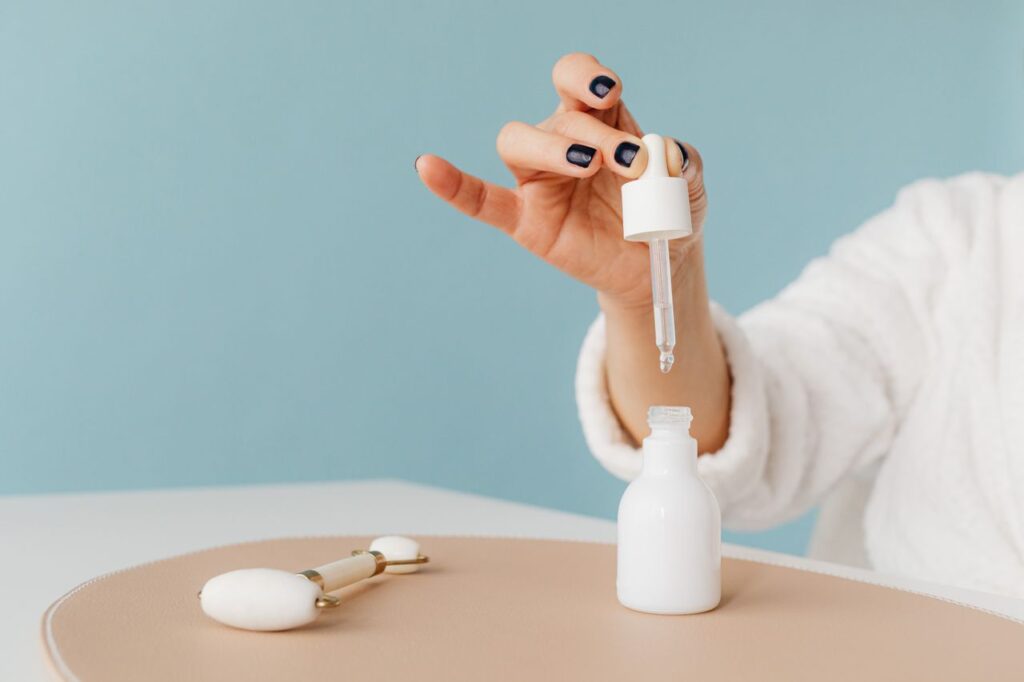
PDRN earns a genuinely safe rating for most acne-prone skin, provided the formula and timing line up with what your skin actually needs.
Oily skin does best with light gels, sensitive skin needs a careful patch test, and dry acne-prone skin can lean into richer textures without much worry.
Waiting out active breakouts before introducing it, and easing in slowly, keeps the risk close to zero for nearly everyone.
Used this way, PDRN becomes less of a trend and more of a genuinely useful repair step inside a well-built acne routine.
FAQS
Can PDRN cause purging as retinoids do?
No, PDRN doesn’t work through cell turnover the way retinoids do, so it doesn’t typically trigger a purging phase. Any new breakouts are usually linked to the base formula or another product change happening at the same time.
How long does it take to see results from PDRN?
Hydration and calmer skin usually show up within two to three weeks of consistent use. Visible changes in acne marks or texture take longer, closer to six to eight weeks.
Can PDRN be used alongside benzoyl peroxide or salicylic acid?
Yes, PDRN generally pairs well with these since it works through a different pathway. Applying PDRN first on damp skin, then following with the acne treatment, tends to reduce irritation.
Is PDRN safe for teenage or younger acne-prone skin?
There’s limited research specifically on teenage skin, so it’s worth checking with a dermatologist first. This is especially true if other acne treatments are already part of the routine.
Does PDRN help with acne scars specifically, or just active breakouts?
PDRN’s repair and collagen-boosting properties make it better suited to fading marks and texture over time. It isn’t designed to treat active, inflamed breakouts directly.
Can PDRN be combined with vitamin C or niacinamide?
Yes, both pair well with PDRN since none of the three conflict chemically. Layering thinnest to thickest and introducing one new product at a time makes it easier to track results.