
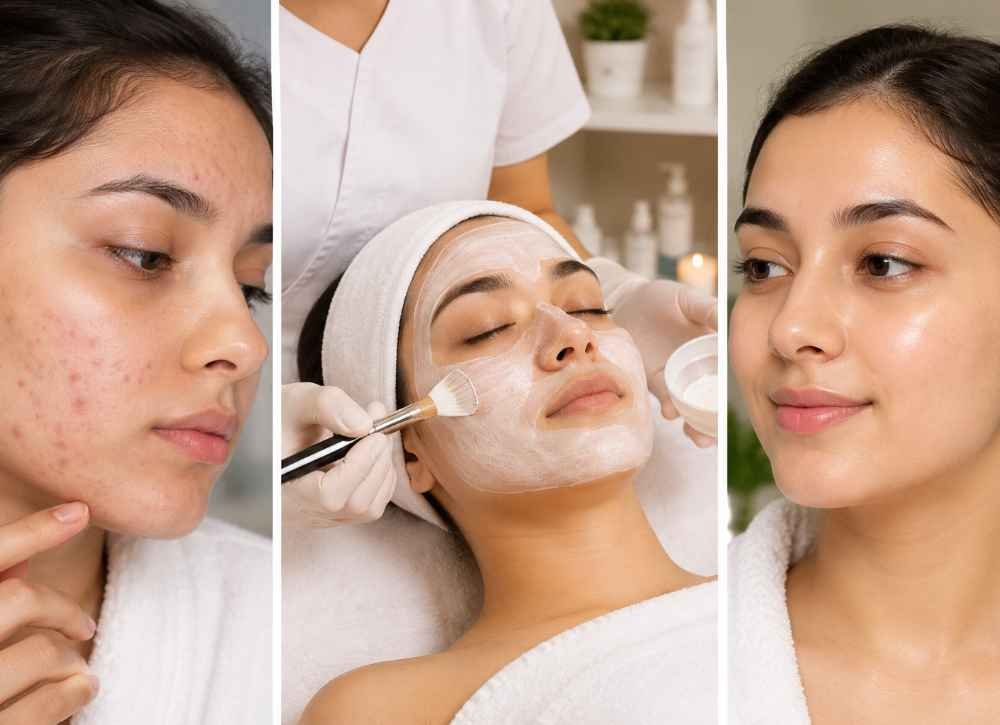
Acne shows up without warning and lasts longer than anyone wants. Most people try everything, creams, home remedies, face washes, but the skin keeps breaking out. The real problem is that clogged pores, dead skin, and bacteria build up faster than a basic wash can handle.
That is why professional facials have become a go-to option for many people. A proper facial goes deeper than surface cleansing. It removes impurities, clears blocked pores, and gives the skin a chance to breathe again.
But here is where it gets important. Not every facial works the same way for acne. According to Dermatology of Seattle, facials work best for mild to moderate acne and are most effective when combined with a good medical skincare plan, not as a stand-alone cure. Using the wrong facial on inflamed skin can actually make things worse.
This guide breaks down exactly which facials help, which cleansers work, how often to get treatments, and what to avoid so your skin gets better, not angrier.
Does Acne Facial Treatment Work?
Facials can help with acne, but the results depend heavily on the severity of the breakouts. For mild to moderate acne, a targeted facial can clear pores, reduce oiliness, and calm inflammation. For severe, deep acne, a facial alone is not enough; a visit to a dermatologist is necessary.
The key thing to understand is that one facial session is not a cure. It takes consistent treatment, combined with a good at-home routine, to see real improvement over time.
Acne Facial Benefits
A well-performed acne facial removes dead skin cells, excess oil, and surface bacteria in a single session. It also includes extractions, which physically clear out blackheads and whiteheads that a face wash simply cannot reach.
Beyond clearing pores, facials bring better hydration to the skin. Balanced hydration actually helps control oil production, which means fewer breakouts in the long run.
Acne Facial Before and After
Right after a facial, most people notice less congestion and a smoother texture. The skin looks cleaner and feels less heavy, especially around the nose and chin, where oil builds up most.
Over a series of sessions, the difference becomes more visible. Fewer active breakouts, smaller pores, and a more even skin tone are the most common changes people report after consistent facial treatments.
Acne Facial Side Effects
Some people experience a brief flare-up of pimples right after a facial. This is actually normal, and it happens because the treatment pushes out trapped impurities that were sitting below the surface.
Redness, mild irritation, or sensitivity can also appear for a day or two after the session. These side effects are temporary and usually settle down quickly with gentle skincare.
Can Facials Make Acne Worse
Facials can trigger more breakouts if the wrong technique or products are used on inflamed skin. Harsh exfoliation or heavy products on active acne can spread bacteria and worsen the condition.
Choosing a licensed esthetician who understands acne-prone skin makes a big difference. Always mention your skin condition before the session so the treatment can be adjusted to your needs.
Which Facial Is Best for Acne?
Not all facials are designed to treat acne. Some focus on glow or anti-ageing, but that’s not what you want when dealing with breakouts. The best facials for acne target deep cleansing, extraction, and inflammation, not just surface hydration.
Knowing which type suits your skin can save both money and frustration. The right choice depends on how severe the acne is and what your skin reacts well to.
Does a Deep Cleansing Facial Help Acne
A deep-cleansing facial removes excess oil, dead skin cells, and bacteria from inside the pores. It often includes steam to open pores, followed by manual or tool-assisted extractions.
For people with mild to moderate acne, this facial delivers visible results fairly quickly. It is one of the most straightforward and widely available options for acne-prone skin.
Does HydraFacial Work for Acne
HydraFacial has become one of the most recommended treatments for acne-prone skin. It uses a multi-step process of cleansing, exfoliation, extraction, and hydration, all in one non-invasive session.
According to Malka Spa, studies on HydraFacial have shown reductions in acne severity, fewer lesions, and better overall skin texture. It is especially effective because it combines active serums like salicylic acid with gentle suction, clearing pores without any damage.
Does Facial Massage Help Acne
Facial massage improves blood circulation and helps lymphatic drainage, which can reduce puffiness around inflamed spots. When done gently, it supports healing and gives the skin a healthier look.
However, aggressive massage on active breakouts can press bacteria deeper into the skin. Light, careful massage techniques from a trained professional are the only safe approach for acne-prone skin.
Does a Facial Help with Acne Scars
Facials on their own have limited ability to fade deep acne scars. Surface-level treatments like mild chemical peels or microdermabrasion, included in some facials, can gradually improve texture and tone.
For deeper scars, more targeted procedures like laser therapy or medical-grade peels are usually needed. A facial can support the healing process, but it is not a replacement for dedicated scar treatment.
How Often Should You Get a Facial for Acne?
Timing matters a lot when it comes to acne facials. Going too often can irritate the skin, and going too rarely means you are not getting the full benefit. The right frequency keeps the skin in a steady cycle of clearing and healing.
A general guideline from UPMC HealthBeat suggests getting facials every 4 to 6 weeks, following the skin’s natural renewal cycle. For active acne flare-ups, twice a month is often more beneficial. Once the skin has settled, monthly sessions are sufficient for maintenance.
Facial Routine for Acne-Prone Skin
A basic facial routine at home should include a gentle cleanser twice a day, a non-comedogenic moisturiser, and targeted treatments like salicylic acid or niacinamide. These products work between professional sessions to keep pores clear.
Professional facials work better when the at-home skincare routine is consistent. Think of home care as the foundation and the professional facial as the deep reset that keeps everything on track.
Does Facial Cleanser Help Acne?
A facial cleanser does a lot more than just wash dirt off the face. The right cleanser removes excess oil, clears away dead skin, and creates a clean base for any treatment product that follows. Without proper cleansing, other acne products work more slowly.
The wrong cleanser, however, can make things worse. A cleanser that is too harsh or too rich can disrupt the skin barrier and trigger more breakouts, which is why choosing carefully matters a lot.
Does Foaming Facial Cleanser Help Acne
Foaming cleansers are popular for acne-prone skin because they quickly cut through excess oil. They create a lather that helps lift impurities from the surface without excessive rubbing or scrubbing.
Not every foaming cleanser is created equal, though. The best ones for acne include ingredients like salicylic acid or niacinamide, so the cleanser does active work on the skin rather than just basic washing.
Can Foaming Cleanser Cause Acne
Some foaming cleansers contain harsh sulfates that strip the skin too aggressively. When the skin loses too much of its natural moisture, it overproduces oil to compensate, which can lead to more clogged pores.
The trick is to find a foaming cleanser that cleans thoroughly without completely stripping the skin. Fragrance-free, non-comedogenic formulas with gentle surfactants are the safest option for acne-prone skin.
Can Over-Cleansing Cause Acne
Washing the face more than twice a day seems like it should help with acne, but it usually makes things worse. Over-cleansing breaks down the skin barrier, leaving the skin raw, irritated, and more vulnerable to bacterial infection.
The inflammation that follows over-cleansing can look like new pimples, making it easy to confuse with regular breakouts. Twice a day is the standard recommendation, once in the morning and once before bed.
Can Cleanser Dry Out Acne Skin
Yes, many acne cleansers are formulated with active ingredients that can dry out the skin if used too frequently or left on too long. Dryness causes flaking, tightness, and sometimes even more breakouts as the skin tries to rebalance itself.
Using a gentle, hydrating cleanser alongside active treatments helps prevent this. Look for formulas that include ceramides or hyaluronic acid, so the cleanser cleans without stripping.
Best Facial Cleanser for Acne
The market is full of cleansers claiming to fight acne, but most of them rely on the same few proven ingredients. Salicylic acid, niacinamide, and tea tree oil are backed by research and are the most often recommended by skin professionals.
Finding the right one for your skin type and budget makes the whole acne routine work better. Here is a breakdown of the most popular options.
Does CeraVe Foaming Facial Cleanser Work for Acne
CeraVe Foaming Facial Cleanser is one of the most widely recommended options for oily, acne-prone skin. It contains niacinamide and ceramides, which clean the skin while keeping the barrier intact.
It removes excess oil without leaving the skin feeling tight or dry. For people who struggle with both acne and sensitivity, this is a reliable daily option that dermatologists consistently recommend.
Does Cetaphil Daily Facial Cleanser Work for Acne
Cetaphil is known for being very gentle, which is both its strength and its limitation for acne. It cleans the skin without irritation, but it does not contain active acne-fighting ingredients like salicylic acid.
It works best for people with mild breakouts and sensitive skin who cannot tolerate stronger formulas. For more persistent acne, pairing Cetaphil with a targeted treatment product gives better results.
Does Clean and Clear Foaming Facial Cleanser Work for Acne
Clean and Clear’s foaming cleanser contains salicylic acid, which helps exfoliate inside the pore and clear out blockages. It is effective for everyday acne management, especially for teenagers or people with oily skin.
Some users find it slightly drying with daily use, so alternating it with a gentler cleanser can help. It is affordable and widely available, making it a practical starting point for someone new to treating acne.
Does Mario Badescu Facial Spray Work for Acne
The Mario Badescu Acne Facial Cleanser uses salicylic acid alongside aloe vera and chamomile to clean deeply without causing irritation. It is a gentle but effective formula that works particularly well for combination and oily skin types.
The spray products from Mario Badescu, like the rosewater or glycolic spray, are more about hydration and skin prep than direct acne treatment. They work well as part of a routine but are not a primary acne solution on their own.
Salicylic Acid Facial Cleanser for Acne
Salicylic acid is a beta-hydroxy acid that gets inside the pore and dissolves the oil and debris clogging it. It is one of the most studied and proven ingredients for treating blackheads, whiteheads, and mild inflammatory acne.
According to dermatologist Dr Y. Claire Chang, as cited by Who What Wear, Neutrogena’s Oil-Free Acne Wash with 2% salicylic acid is a well-regarded pick for preventing acne breakouts because it is oil-free and non-comedogenic. Over-the-counter cleansers typically contain 0.5% to 2% salicylic acid, which is enough for regular maintenance.
Niacinamide Cleanser for Acne
Niacinamide, also called vitamin B3, works in a different way than salicylic acid. It reduces inflammation, controls oil production, and helps calm the redness around existing breakouts.
A cleanser containing niacinamide is a good choice for people whose acne is accompanied by significant redness or irritation. It is also gentle enough for everyday use, making it a practical addition to any acne routine.
Tea Tree Facial Cleanser for Acne
Tea tree oil has natural antibacterial properties that target acne-causing bacteria on the skin’s surface. Cleansers with tea tree extract can help reduce the number of active pimples, especially surface-level spots.
It works best for mild breakouts and is a good natural-leaning option for people who prefer plant-based ingredients. Concentrations in cleansers are usually low enough to avoid irritation, but patch testing before regular use is always a good idea.
Dermatologist-Recommended Facial Cleanser for Acne
Dermatologists consistently point to a few key qualities in a good acne cleanser: non-comedogenic, fragrance-free, and formulated with proven active ingredients. CeraVe is frequently cited as the number one dermatologist-recommended cleanser brand for acne, thanks to its combination of salicylic acid, ceramides, and niacinamide in a single formula.
Whatever brand is chosen, the most important thing is consistency. Using the right cleanser twice a day, every day, is what creates lasting improvement in acne-prone skin.
Choosing the Right Cleanser for Your Skin Type
Acne-prone skin is not the same for everyone. Some people have oily skin with large pores, while others have sensitive skin that reacts to almost everything. Choosing a cleanser based on skin type, not just acne type, leads to much better results.
Using a cleanser meant for a different skin type can create new problems while trying to fix the acne. The sections below help narrow down the right option based on what the skin is actually like.
Facial Cleanser for Oily Acne Skin
Oily skin needs a cleanser that removes excess sebum without being so drying that the skin panics and produces even more oil. Gel-based or foaming cleansers with salicylic acid or clay are the best fit for this skin type.
A morning wash with an active cleanser, followed by an evening wash to remove the day’s buildup, works well for oily, acne-prone skin. Lightweight, oil-free formulas prevent pores from clogging again right after washing.
Facial Cleanser for Sensitive Acne Skin
Sensitive skin that also breaks out is one of the trickier combinations to manage. Most active acne ingredients can irritate sensitive skin, so a lower-concentration or fragrance-free formula is the safer starting point.
Paula’s Choice Clear Pore Normalising Cleanser is one option dermatologists recommend for sensitive, acne-prone skin, as it uses a lower salicylic acid concentration without fragrance. Gentle cleansing twice a day, followed by a calming moisturiser, keeps both the sensitivity and the acne in check.
Gentle Cleanser for Acne
A gentle cleanser for acne prioritises keeping the skin barrier healthy while still addressing breakouts. Formulas with ceramides, hyaluronic acid, and mild exfoliating ingredients offer the best of both worlds, cleaning without stressing the skin.
Gentle does not mean weak. Consistent use of a well-formulated, gentle cleanser often produces more lasting results than aggressive, stripping products that create a cycle of dryness and overproduction.
FAQs
Does facial work for acne on all skin types?
Facials can work for most skin types, but the results vary. Mild to moderate acne responds well to professional facials, while severe or cystic acne usually requires a dermatologist’s treatment plan in addition to facials.
How long does it take to see results from acne facials?
Most people notice cleaner, less congested skin after the first session. Visible improvement in breakouts usually takes 3 to 6 sessions, depending on how consistent the treatment is and the at-home care used.
Can I use a facial cleanser twice a day if I have acne?
Yes, twice a day is the standard for acne-prone skin, once in the morning and once at night. More than that strips the skin and can make breakouts worse by disrupting the skin’s natural balance.
Is salicylic acid or niacinamide better for acne?
They work differently, and both are useful. Salicylic acid unclogs pores directly, making it better for blackheads and whiteheads. Niacinamide reduces redness and oil production. Using a cleanser that combines both gives the most complete approach.
Can a foaming cleanser alone clear my acne?
A cleanser is a supporting step, not a complete treatment. It removes surface oil and helps keep pores clear, but active breakouts usually need additional targeted treatments, such as spot treatments, serums, or professional facials, alongside a good cleanser.