
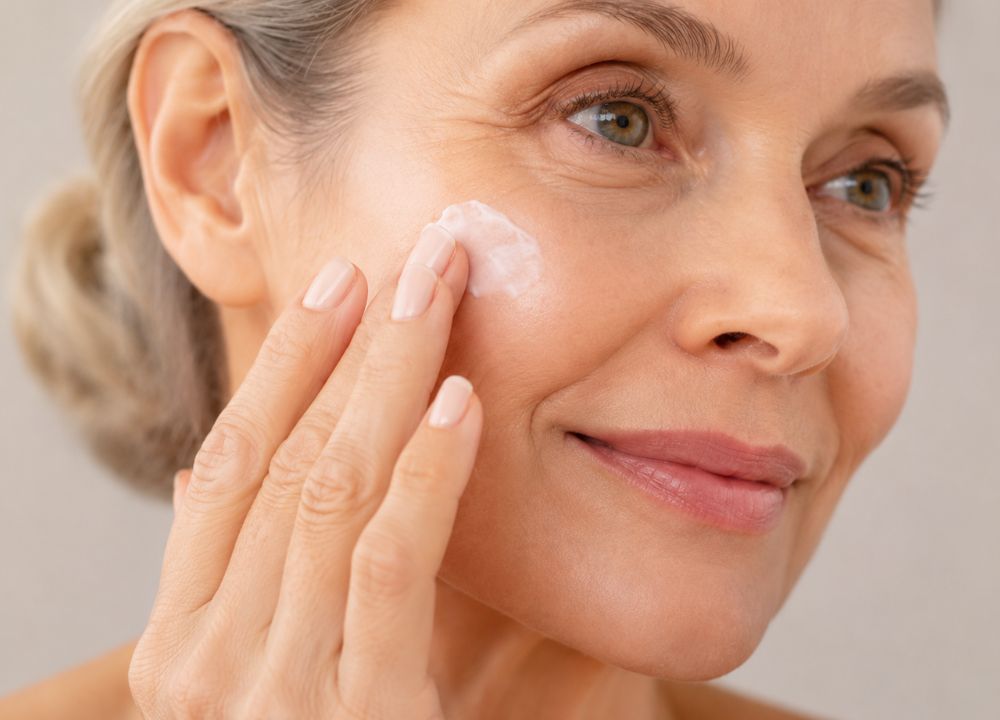
Applying foundation to mature skin and seeing it crease in fine lines within an hour is frustrating. You follow the steps, but by noon, your makeup looks patchy and tired. This isn’t a foundation problem; it’s a primer problem.
As skin ages, it loses moisture and becomes drier and less firm. Without the right base, makeup settles into lines instead of sitting on top of them. The wrong primer can actually make wrinkles look deeper, not softer.
The right primer changes everything. According to Marie Claire, primers for mature skin are formulated with hydrating ingredients and smoothing agents that help create a plump, radiant base, so makeup wears beautifully throughout the day.
Knowing what to look for is half the job. This guide breaks down what your skin actually needs and which options are worth your time and money.
Why Mature Skin Reacts Differently To Primer?
Mature skin is not the same as younger skin, and primers made for “all skin types” rarely work well on it. As collagen and elastin decrease with age, skin becomes drier, less firm, and more textured. A primer that works fine at 25 can look cakey and crease-heavy at 45.
The biggest mistake people make is reaching for mattifying or thick silicone-heavy formulas. These may control shine on younger skin, but on mature skin, they sit in lines and make texture more visible, not less.
What Does a Good Primer Actually Do for Aging Skin?
A good primer for mature skin does two things. It hydrates the skin so makeup has a smooth, plump surface to sit on, and it creates a light barrier so foundation does not sink into pores or creases.
It also works quietly in the background. You should not see the primer. You should just notice that your makeup looks fresher, more even, and lasts longer without touching it up.
Key Ingredients to Look For
Hyaluronic acid is the first thing to check on the label. It pulls moisture into the skin and helps plump fine lines from underneath, so your makeup sits more smoothly. Without it, dry and mature skin tends to crack or flake under foundation by midday.
Glycerin works the same way but is lighter. Peptides are another strong addition because they support skin firmness over time. According to Today.com, board-certified dermatologist Dr. Alexis Stephens notes that applying makeup on mature skin without a hydrating base can actually make fine lines and creases look worse, not better.
Ingredients to Avoid
Heavy alcohols and synthetic fragrances are the two biggest offenders in primers for mature skin. Alcohol strips moisture from the skin, which is the last thing aging skin needs before layering makeup on top. Fragrance is a common irritant and adds no benefit.
Thick silicone layers can also cause problems. A little dimethicone is fine for smoothing, but heavy silicone-based formulas tend to ball up on drier skin and slide around instead of staying in place.
How to Apply Primer on Mature Skin the Right Way?
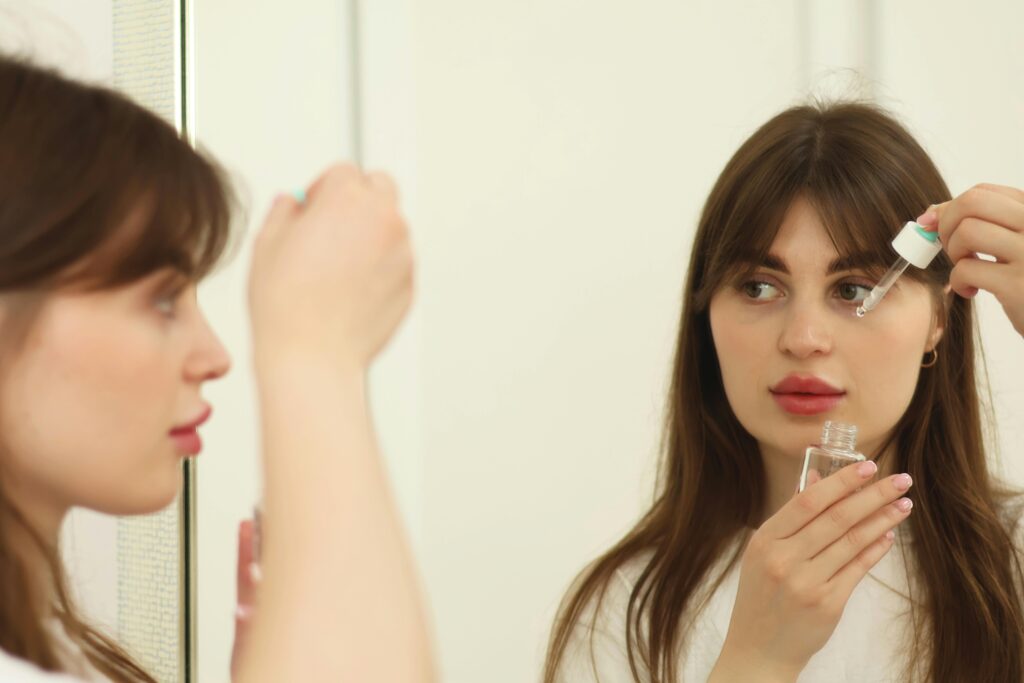
Most people apply primer right after moisturizer, which is not wrong. But giving it a few minutes to absorb makes a real difference. Pressing it in with fingertips rather than rubbing helps it sit better in textured areas like the forehead and around the mouth.
Less is almost always more with primer on mature skin. A pea-sized amount spread lightly across the face will do more than a heavy layer, which tends to move around and cause pilling under foundation.
Should You Apply Primer Before or After SPF
SPF should always come before primer. Moisturizer first, then SPF, then primer after it has been absorbed, and finally foundation. Skipping this order can thin out the SPF layer and reduce its protection.
If you use an oily skin routine or a combination skin routine, the layering logic is the same. Primer always goes on after skincare, not instead of it.
Best Types of Primers for Mature Skin
Illuminating primers are often the best starting point for mature skin. They add a soft glow that reads as healthy and youthful without looking shiny or overdone. They also help makeup reflect light in a way that visually softens fine lines.
Hydrating primers are equally strong. If your skin feels dry or tight before makeup, a hydrating primer will change how the rest of your routine performs. Think of it as giving your foundation something soft to hold onto.
Drugstore Options That Actually Work
Drugstore primers have come a long way for mature skin. The L’Oreal Age Perfect Blurring Face Primer is one of the most recommended affordable options and is designed specifically with aging skin in mind. It blurs without settling into lines, which is rare at that price point.
CoverGirl’s Ageless Primer is another solid pick. It contains hyaluronic acid and vitamin C, and users in their 40s and 50s consistently report that it keeps foundation looking fresh through the full day.
When to Consider a Higher-End Option?
Sometimes a more expensive primer is worth it, especially when the formula includes active skincare ingredients like peptides or antioxidants. The Bobbi Brown Vitamin Enriched Face Base is one that shows up repeatedly in expert recommendations because it acts as both a moisturizer and a primer, cutting one step from the routine.
If your skin deals with skin problems like texture, redness, or acne, a targeted primer can address both the skin issue and the makeup-prep need at the same time.
Common Primer Mistakes That Age Your Skin More
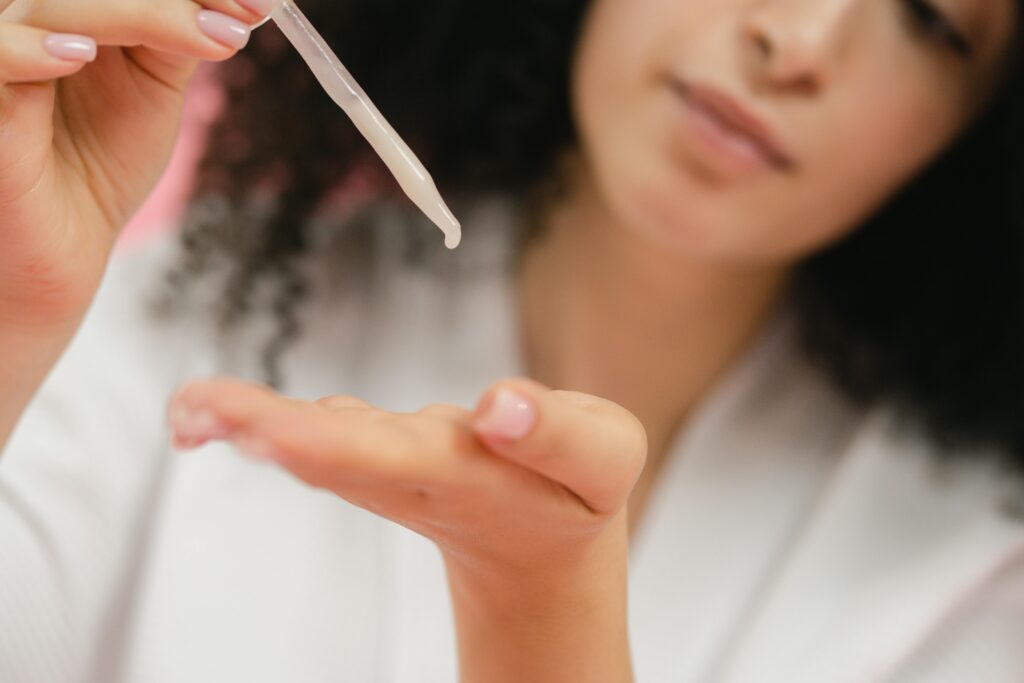
Using a matte primer is one of the most common mistakes for mature skin. Matte formulas absorb oil and reduce shine, but on skin that is already on the drier side, they pull moisture out and leave the complexion looking flat and lined. A soft, luminous finish almost always looks more youthful.
Applying too much is another one. More product does not mean better coverage. On mature skin, it usually means more creasing, more pilling, and a heavier look that draws attention to texture rather than softening it.
What About Primer for the Eye Area?
The skin around the eyes ages faster than anywhere else on the face. Eye primers specifically made for that area are thinner and more flexible than face primers, which matters a lot when the skin is crepey or shows fine lines easily.
Using your regular face primer around the eyes is not ideal. It can feel heavy, move into the crease, and cause eyeshadow to smear. A lightweight, dedicated eye primer makes a real difference in how long shadow and liner actually stay in place.
FAQs
What is the best makeup primer for mature skin?
The best option is a hydrating or illuminating primer with ingredients like hyaluronic acid or peptides. Avoid matte and heavy silicone formulas, as they tend to settle into lines and make the texture look worse.
Can primer really reduce the look of fine lines?
It can soften their appearance, yes. A hydrating primer plumps the skin slightly, so lines look less defined under makeup. It does not erase them, but the difference in how your foundation wears is noticeable.
Is drugstore primer good enough for mature skin?
Some drugstore options work really well. Look for ones labeled for aging or mature skin with hyaluronic acid on the ingredient list. The L’Oreal Age Perfect line is a commonly recommended starting point.
Should I skip primer if I already use a moisturizer?
Moisturizer and primer do different jobs. Moisturizer hydrates your skin. Primer creates a surface so makeup applies evenly and lasts longer. Skipping primer means your foundation is working harder and wearing out faster.
How do I know if a primer is not working for my skin?
Finding the best primer for mature skin comes down to understanding your own skin’s needs and choosing products that support hydration, smoothness, and longevity. With the right approach and ingredients, your makeup can look fresh, natural, and radiant all day—no matter your age.