

The medical research in this report suggests that there is no medically proven benefit to washing your face with pure oil cleansing alone, and it may actually damage the skin’s protective barrier.
However, specific blends or formulations (such as tea tree oil or copaiba oil) have been shown to improve mild to moderate acne. According to dermatologists, if the right type and method of oil cleansing is used and followed by thorough cleansing, oil cleansing itself does not cause acne.
However, heavy or pore-clogging oils, dirty oil left in the pores, or improper use of oil cleansing can trigger breakouts. If oil cleansing causes redness or acne inflammation, using a topical product containing niacinamide or salicylic acid can help reduce inflammation, as medical experts recommend.
Most people can reap the benefits of oil cleansing by using well-tested oils and adopting proper cleansing habits; otherwise, consultation with a dermatologist is necessary for treatment.
Oil cleansing is a method in which a specific oil or oil blend is applied to a wet face and massaged into the skin to dissolve makeup and excess oil. It is based on the concept that “like is like,” meaning that oil dissolves water and dirt.
For example, makeup removers often contain oil because oil dissolves waterproof makeup and dirt, making them easy to remove. Unlike traditional foamy cleansers, oil cleansing does not reduce the skin’s natural oils but binds them to retain moisture.
Many people find it especially beneficial for dry or sensitive skin, as it does not contain harsh cleansing ingredients like soaps, which can dry out the skin and cause it to produce more oil. However, you should be cautious before trying this method on everyone and pay close attention to your skin’s symptoms.
Can oil cleansing cause acne?
Medical research shows that there is no scientific evidence for pure oil cleansing, and it can even harm the skin. A recent systematic review found that cleansing the face with oil alone has no proven clinical benefit and can weaken the skin barrier.
In contrast, certain oil-based formulations (such as tea tree oil in a nanoemulsion or copaiba oil in a gel form) have shown improvement in mild to moderate acne.
Experts say that oil cleansing itself does not cause acne, but the choice and method of application of the oil are very important. If you use a heavy, pore-clogging oil or do not rinse it off thoroughly, it can sit in the pores and cause acne.
3 Factors That Oil Cleansing Can Cause Acne

Skin Type
Skin type (oily, dry, combination, sensitive, or acne-prone) plays a big role in the effectiveness of oil cleansing. For oily or acne-prone skin, light, non-comedogenic oils are best.
For example, jojoba, grapeseed, argan, or marula oils are non-comedogenic and generally help reduce acne in oily skin. According to Dr. Zeichner, oily/acne-prone skin should avoid heavy oils like avocado oil because they can clog pores and cause pimples or bumps.
To moisturize dry skin, oils such as avocado, jojoba, or sunflower oil are suitable. These oils have emollient properties and help reduce skin dryness, which reduces the likelihood of pimples.
For combination skin, a medium-weight oil or double-cleansing method is best: For example, using a light oil on oily areas of the face and a moisturizing oil on dry areas, along with a gentle wash, can be beneficial.
Avoid using oils with fragrances or emulsifiers on sensitive skin. Dr. Zeichner recommends using a fragrance-free cleanser with calming oils like rosemary, camellia seed, or frankincense for sensitive skin.
Oil Cleanser Type
The type of oil cleanser also affects acne risk. Here are some common types:
Pure vegetable oils (e.g., coconut, olive, sesame): Some oils have a high comedogenic score. For example, coconut oil (often used at home) is comedogenic, so that it can clog pores on acne-prone skin.
In contrast, grapeseed, argan, and jojoba oils have low comedogenic ratings, making them safe for acne-prone skin.
Mineral oil or methyl myristylating oil: Mineral oil is generally less comedogenic (it is larger and harder to get trapped in the skin).
Many dermatologists believe that genuine cosmetic-grade mineral oil does not penetrate pores, so that it can be safe for oily skin.
Emulsifying oil cleansers (cleansing balms): These are thick in texture and often contain surfactants. When mixed with water, they create a slight foam that makes them easy to wash off.
For example, a peeling balm or balm tonic, if washed off thoroughly, will not cause acne. However, if they are not completely washed off, the remaining oil can clog pores.
Daily Skin Care routine
Daily cleansing and routine can also increase or decrease the chances of acne. Health experts recommend oil cleansing once a day, preferably at night before bed. This is enough to cleanse the skin; it can cause excessive oiliness or sudden sensitivity.
If you wear makeup or sunscreen, first remove makeup with an oil-based cleanser at night, then apply a light water-based cleanser. This is called “double cleansing.”
This way, the first wash removes makeup and excess oil, softening it, and the second wash removes any remaining oil or dirt, leaving no oil in the pores.
Suppose you have started cleansing with oil and notice an increase in acne within two to three weeks, that oil may not be right for you. In this case, as directed by a dermatologist, address the lack of natural oils (sebum) on the skin with a regular soap (such as a salicylic acid cleanser).
Tabular Comparison (Factors Table):
| Skin Type | Type of Cleansing Oil | Cleansing Routine | Risk of Acne & Mechanism |
| Oily Skin | Heavy oils (Coconut Oil, Avocado Oil) | Oil cleansing only | Oil may remain trapped in the pores, increasing the risk of clogged pores and breakouts. |
| Oily Skin | Lightweight oils (Jojoba Oil, Grapeseed Oil) | Double cleansing (Oil Cleanser + Foaming Cleanser) | The oil emulsifies and rinses away completely, helping keep pores clear and reducing the risk of acne. |
| Dry Skin | Moisturizing oils (Avocado Oil, Olive Oil) | Oil cleansing only (avoid harsh scrubs) | Helps maintain the skin’s moisture barrier with a low risk of breakouts when rinsed properly. |
| Combination Skin | Balanced oils (e.g., Coconut Oil + Jojoba Oil blend) | Double cleansing | Cleanses oily areas while keeping dry areas hydrated. When used correctly, the risk of clogged pores is low. |
| Sensitive Skin | Fragrance-free, gentle oils (Jojoba Oil, Rosemary Oil) | Gentle massage followed by thorough rinsing | May cause irritation if you’re sensitive to certain ingredients, but the risk of acne is generally low. |
| Acne-Prone Skin | Non-comedogenic oils (Jojoba Oil, Sunflower Oil) | Double cleanse once at night | Non-comedogenic oils help dissolve excess sebum and impurities. Following with a water-based cleanser helps keep pores clear and minimizes breakouts. |
In Which Situation Does Oil Cleansing Cause Acne?

Oil cleansing can trigger acne in certain cases:
Using comedogenic or heavy oils: As dermatologist Ledger explains, heavy oils (like avocado oil) can clog pores and cause pimples and whiteheads. Similarly, coconut oil is also commonly comedogenic.
Improper cleansing or residual oil: If the face is not washed thoroughly after oil cleansing, residual oil can enter the pores, forming small plugs (clogged pores). According to Healthline, if burning, discomfort, or increased acne occurs after oil cleansing, use another mild, water-based cleanser; oil will only form a film.
Ova buildup cleansing: If you over-cleanse (over-scrub or use a strong soap) to get rid of the traditional foamy cleanser, the skin can become dry and produce more oil than necessary. This oil can quickly clog pores and cause new acne.
Sensitive or inflamed skin: If the oil cleansing formula sensitizes the skin (for example, due to an allergy to sunflower or fragrance), the infection in the pores may increase. If your skin is already prone to severe cystic acne, do not use oil cleansing without consulting a dermatologist.
Heavy makeup: If you don’t remove makeup or sunscreen and instead apply oil directly, makeup ingredients can mix with the oil, clogging pores. Therefore, it is important to cleanse your face with a light cleanser before applying oil.
Treatment: If your acne flares up after oil cleansing, change your routine immediately: try a lighter oil or a non-comedogenic oil like jojoba, or skip oil altogether. As soon as your acne flares up or starts to burn, consult a doctor and start treatment instead of doing additional oil cleansing.
How to Get Red Off Acne Made from Oil Cleansing?
If your acne has become redder or more inflamed due to oil cleansing, take the following steps
Gentle cleansing and moisturizing: Wash your face every morning and evening with a gentle, non-comedogenic face wash. Follow with a light moisturizing gel or lotion to prevent skin from drying out. Avoid over-cleansing, which can make the skin more sensitive.
Niacinamide serum or cream: Products containing niacinamide (vitamin B3) reduce acne inflammation. Apply them to cleansed skin as usual every day.
Salicylic acid treatment: Apply a 0.5% to 5% salicylic acid skin treatment. This is a peeling agent that works on both cracked skin and acne-related redness. Apply it to the affected area only 1-2 times a day and leave it on.
Scar patch or ice pack: If some scars remain, applying hydrocolloid pimple patches (pimple stickers) or ice packs can help reduce swelling. Wrap the ice in a cloth and place it on the red areas for 5-10 minutes.
Consult a doctor: If your acne is very swollen or painful and OTC treatments don’t help, see a specialist right away. A dermatologist may prescribe topical retinoids, benzoyl peroxide, or chemical peels. These professional treatments control inflammation and acne.
Which Cleanser Should be used for which type of skin to avoid Acne?
Choosing the best cleanser for your skin type is key to preventing acne. Here are a few guidelines:
Oily/acne-prone skin: Use a mild, foam- or gel-based cleanser containing ingredients such as salicylic acid or benzoyl peroxide. These help reduce breakouts by removing oil and bacteria from the skin.
The cleanser should be completely non-comedogenic (meaning it won’t clog pores). For example, CeraVe Foaming Cleanser or Paula’s Choice BHA cleansers are good. If you want to do an oil cleanse, use an oil cleanser with jojoba or grapeseed oil, and be sure to double cleanse afterward.
Dry skin: Use a creamy or lotion-type cleanser that doesn’t dry out the skin further. For example, Cetaphil GentleCream Cleanser or CeraVe Hydrating Cleanser moisturizes. Even after getting a mole, the skin remains smooth and soft. Note that those with dry skin should also choose a non-comedogenic cleanser to maintain the skin’s oil balance.
Sensitive skin: Choose fragrance- and dye-free cleansers. According to Dr. Zeichner, calming products like rosemary or camellia are suitable for sensitive skin. Hypoallergenic cleansers like Cetaphil or La Roche-Posay Toleriane are good.
Combination skin: A good strategy is to use a light foamy cleanser for oily areas and a gentle cleanser for dry areas. There are many cleansers on the market specifically for “combination skin.” Use them twice a day: at night with an oil cleanser (if you’re wearing makeup) and in the morning with just water or a gentle wash.
Acne-prone skin: Dermatologists generally recommend oil-free, water-based cleansers for acne-prone skin. Also, avoid harsh soaps to maintain skin pH.
- Oily Skin: A lightweight foaming cleanser or a cleanser containing salicylic acid can help remove excess oil and reduce clogged pores.
- Dry Skin: Choose a hydrating cream cleanser or a gentle moisturizing cleanser that cleanses without stripping the skin’s natural moisture.
- Sensitive Skin: Use a fragrance-free, gentle cleanser with soothing ingredients to minimize irritation.
- Acne-Prone Skin: A non-comedogenic cleanser with acne-fighting ingredients like salicylic acid or benzoyl peroxide may help manage breakouts.
Final Thoughts
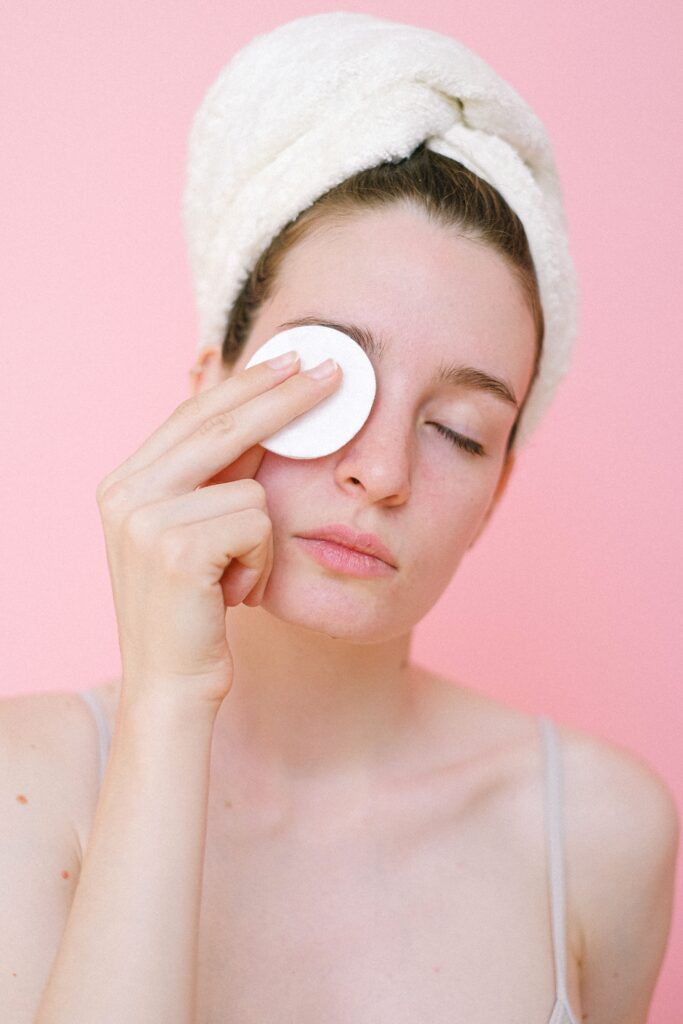
Finally, oil cleansing itself is not a guarantee of acne, but the method, oil choice, and routine can increase or decrease the number of pimples.
The demand for pure oil has been debunked by modern research, so if you want to cleanse with oil, use a good, laboratory-tested oil or cleanser. People with acne-prone or sensitive skin should use a mild, non-comedogenic oil and double-cleanse.
If redness or pimples increase after oil cleansing, change your routine soon and get treatment. Any inflammation caused by oil cleansing can be managed with proper skin care (a gentle cleanse + treatment).
FAQ’S
Does oil cleansing benefit everyone?
No, everyone’s skin type and reaction is different. Light, non-comedogenic oils (like jojoba, grape seed) are often better for oily or acne-prone skin, while heavier oils (coconut, avocado) can clog pores in both sensitive and oily skin. So, be sure to test an oil cleanser on your back before trying it.
Under what circumstances can oil cleansing cause acne?
A: If you have used a pore-clogging oil, or if you have not washed off the remaining oil after oiling, or if you have cleansed too much, you may get acne. It is best to avoid oil cleansing, especially if you already have inflamed skin or cystic acne. If you experience an increase in acne within two weeks of starting oil cleansing, change your routine.
How to remove acne redness caused by oil cleansing?
First, wash your face twice with a mild, non-comedogenic cleanser and apply a gentle moisturizer. Apply Niacinamide or low-percentage Salicylic acid to the painful or swollen area daily. If the redness is severe, apply an ice pack wrapped in a cloth for 5-10 minutes. If necessary, consult a dermatologist to apply a topical retinoid or antibacterial cream.
How often should oil cleansing be done?
Experts recommend that you do oil cleansing only once a day, preferably before bed. This removes the day’s makeup and dirt and prevents the skin from getting too oily. Then, in the morning, clean your face with a little warm water or a light foam.
What is the best cleanser for acne-prone skin?
Water-based, non-comedogenic cleansers are best for acne-prone skin. Cleansers with salicylic acid or benzoyl peroxide are especially effective in reducing acne. For example, CeraVe Foaming Cleanser or Neutrogena Oil-Free Wash are likely to be beneficial. If you choose to use an oil cleanser, opt for a scientifically formulated one, and be sure to double-cleanse thoroughly afterward.