
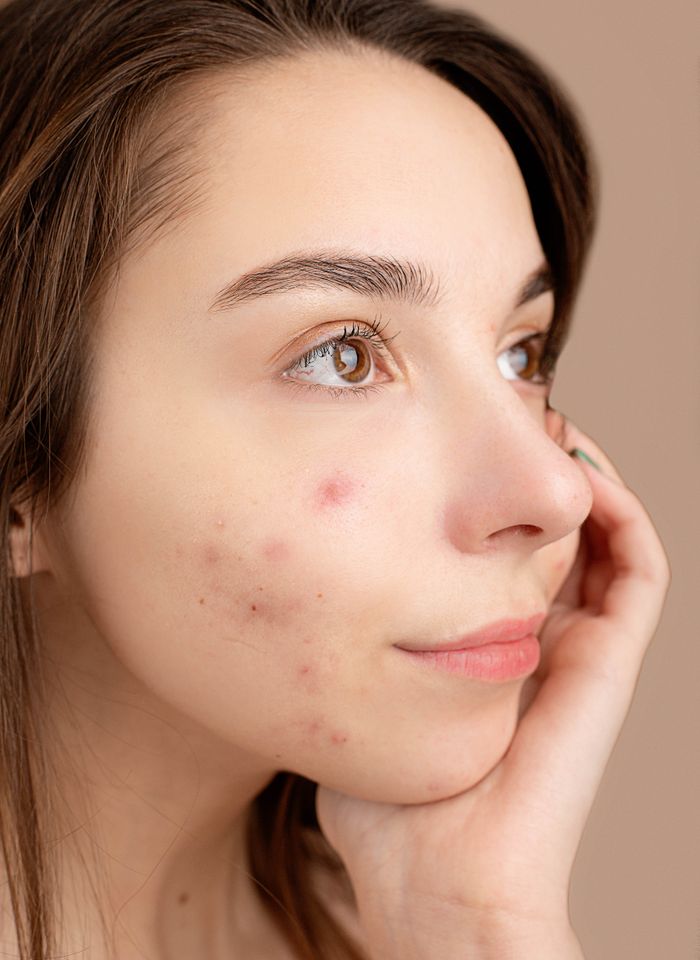
If you’re dealing with breakouts along your jawline or chin that seem to flare up around the same time every month, you may be wondering whether tretinoin, one of the most studied acne treatments available, can actually help. The short answer is yes, but understanding how it works and what to expect makes a real difference in whether it works for you.
What Is Hormonal Acne
Hormonal acne is breakouts triggered or worsened by fluctuations in hormones like androgens, estrogen, and progesterone. These shifts increase oil (sebum) production and can make skin cells inside pores stickier, leading to clogs, inflammation, and breakouts.
It tends to follow a recognizable pattern: many people notice it concentrated along the jawline, chin, and lower cheeks, and flaring cyclically, often worsening in the week or so before a menstrual period, during puberty, pregnancy, or times of hormonal change such as starting or stopping birth control. It can range from a few scattered whiteheads to deeper, more painful cystic bumps.
Does Tretinoin Work for Hormonal Acne
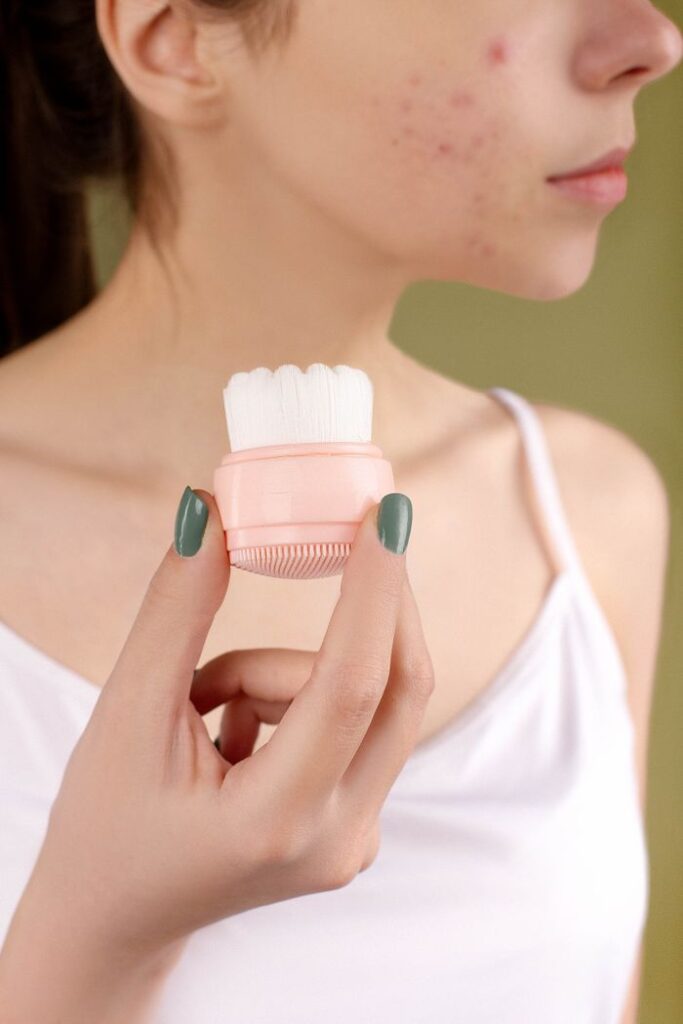
Tretinoin is a topical retinoid, a vitamin A derivative that accelerates cell turnover and prevents dead skin cells from building up and clogging pores. Since clogged pores are a key factor in nearly every type of acne, including hormonal acne, tretinoin addresses a core part of the problem, even though it doesn’t directly affect hormone levels.
This is why tretinoin can still be effective for hormonal acne despite not directly addressing the hormonal root cause. By keeping pores clear and reducing the formation of microcomedones (the earliest, invisible stage of a blemish), it reduces how many hormonally triggered clogs become visible breakouts. It also has anti-inflammatory properties that can calm existing lesions. Many dermatologists prescribe it specifically for jawline and hormonal-pattern acne, often alongside other treatments that target hormones more directly.
How Tretinoin Treats Hormonal Acne
Tretinoin works by binding to retinoic acid receptors in skin cells, which speeds up the rate at which skin cells turn over and shed. This prevents the buildup of dead cells and oil that would otherwise combine to form a clog, or comedone, inside the pore. It also helps normalize how skin cells form in the first place, so pores are less likely to become blocked over time.
In terms of results, most people see an initial “purge” in the first few weeks as existing microcomedones are pushed to the surface faster than normal. This can look like a temporary breakout before things improve. Real improvement typically begins around 8 to 12 weeks of consistent use, with fuller results at 3 to 6 months. Hormonal acne, because it’s ongoing and cyclical, usually needs continuous use rather than a short course to keep new clogs from forming each month.
Tretinoin for Hormonal Cystic Acne
Cystic acne is a deeper, more painful form of acne in which inflammation extends deeper into the skin, often forming large, tender bumps beneath the surface rather than the typical whiteheads or blackheads. Hormonal cystic acne tends to concentrate along the jaw and chin and can leave more noticeable marks or scarring if left untreated.
Tretinoin alone can help with mild to moderate hormonal breakouts, but for hormonal cystic acne, it’s often not enough by itself. Cystic lesions usually respond better when tretinoin is combined with treatments that target inflammation or hormones more directly, such as oral medications like spironolactone, hormonal birth control, or, in some cases, prescription antibiotics for short-term flare control. A dermatologist can help determine whether tretinoin alone is sufficient or whether a combination approach is needed for cystic breakouts.
Tretinoin Cream for Hormonal Acne
Tretinoin is available in several formulations, most commonly as a cream, gel, or microsphere-based gel. Cream formulations tend to be more moisturizing and usually gentler on the skin barrier.
, making them a common starting point for people with dry, sensitive, or easily irritated skin.
Gel and microsphere formulations, by contrast, are typically better suited to oilier skin types since they absorb faster and feel lighter. For hormonal acne specifically, the “best” formulation depends more on your skin type and tolerance than on the fact that the acne is hormonal. Someone with oily, acne-prone skin may do well with a gel, while someone with drier or more reactive skin often finds the cream easier to tolerate long-term without excess flaking or redness.
How to Use Tretinoin for Hormonal Acne
Tretinoin is applied at night, after cleansing and once skin is fully dry, since applying it to damp skin can increase irritation. A pea-sized amount is generally enough for the entire face. Most dermatologists recommend starting slowly,, two to three nights a week,, and gradually building up to nightly use as the skin adjusts, rather than starting at full strength right away.
To reduce purging and irritation, pairing tretinoin with a gentle, fragrance-free moisturizer and avoiding other harsh actives (like strong exfoliants) in the same routine helps a lot. Daily sunscreen is essential, since tretinoin increases sun sensitivity. It’s generally a good option for anyone with mild to moderate hormonal acne. However, people with highly reactive or compromised skin barriers should introduce it gradually, ideally under a dermatologist’s guidance.
How Long Does Tretinoin Take to Help Hormonal Acne
There’s an important difference between the purging phase and actual improvement. Purging usually happens in the first two to six weeks, as tretinoin accelerates the surfacing of clogs that were already forming beneath the skin. This can temporarily make breakouts look worse before they get better.
Genuine improvement in hormonal acne typically becomes noticeable around weeks 8 to 12, with more complete results by months 3 to 6. Because hormonal acne is cyclical, it’s common to notice occasional flares around a monthly cycle. Even once tretinoin is working,, the difference is usually that breakouts become smaller, less frequent, and heal faster.
Tretinoin vs. Other Hormonal Acne Treatments
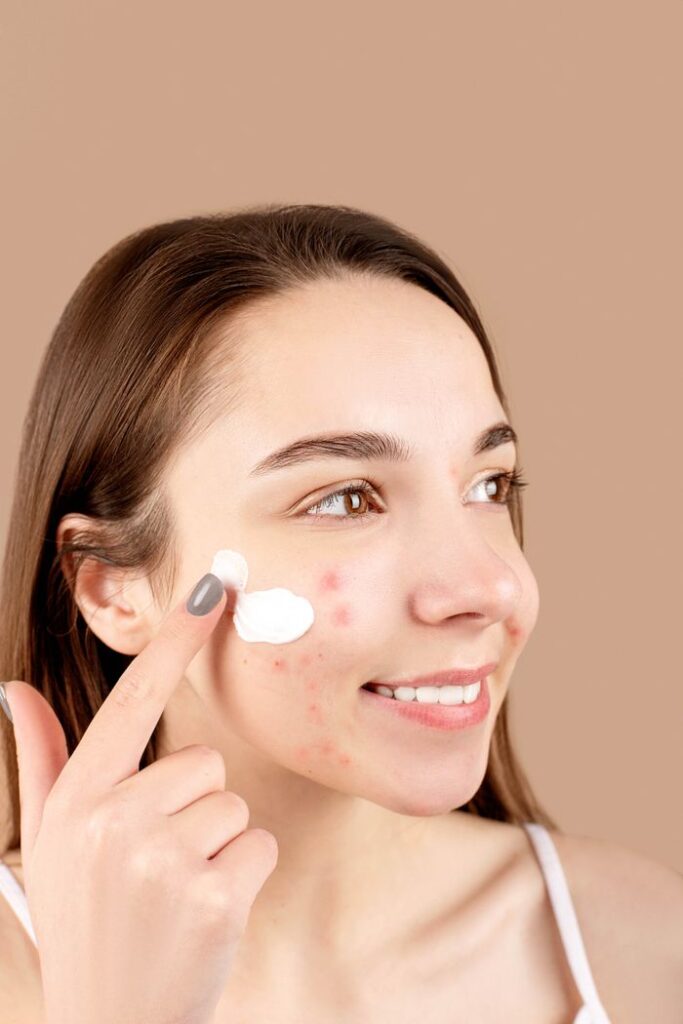
Tretinoin is often just one piece of a broader hormonal acne treatment plan, since it works differently from treatments that target hormones or bacteria directly. Spironolactone is an oral medication that blocks androgen activity, reducing oil production at its hormonal source. It’s frequently prescribed for jawline-pattern acne in women. Hormonal birth control can similarly regulate the hormone fluctuations that trigger breakouts in the first place.
Benzoyl peroxide, unlike tretinoin, works by reducing acne-causing bacteria and is often used alongside a retinoid rather than instead of one. In practice, tretinoin’s role is to keep pores clear and support long-term skin texture, while spironolactone or birth control addresses the hormonal driver. Benzoyl peroxide manages bacteria and active inflammation. Many dermatologists combine two or more of these for hormonal acne rather than relying on any single treatment.
FAQs
Can tretinoin help with hormonal acne on its own?
It can help with mild to moderate hormonal acne on its own by keeping pores clear. Still, more severe or cystic hormonal acne often responds better when tretinoin is combined with a hormonal treatment, such as spironolactone or birth control.
Does tretinoin help with hormonal breakouts around the jaw and chin?
Yes,, the jawline and chin are common sites for hormonal acne, and tretinoin’s pore-clearing action can reduce how often clogs in these areas turn into visible breakouts. However, results take several weeks to appear.
Is tretinoin safe for long-term use for hormonal acne?
Tretinoin is generally considered safe for long-term use under a dermatologist’s supervision, since hormonal acne tends to be an ongoing condition that benefits from continuous rather than short-term treatment. Regular follow-up helps adjust strength or frequency as skin adapts.
This article is for informational purposes only and isn’t a substitute for personalized medical advice. Anyone considering tretinoin for hormonal acne, especially cystic or severe cases, should consult a dermatologist for a diagnosis and treatment plan suited to their skin.