
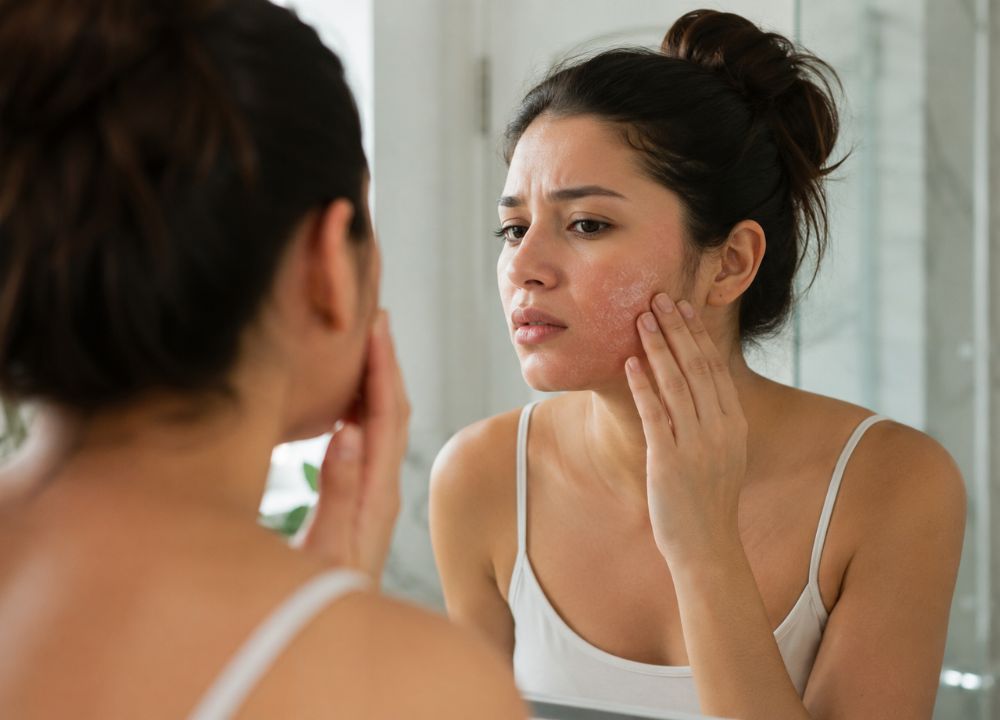
Skin does not always break down dramatically. Sometimes it just stops cooperating, and you cannot figure out why. You moisturize daily, drink water, follow your routine, and still wake up to tight, irritated, sensitive skin that never seems to settle.
The frustrating part is that most people blame the wrong things. They switch products, try new serums, or assume it is just a bad skin day. But when the real problem is a weakened skin barrier, no product will fully fix it until you address the root cause.
Long-term damage that goes deeper into the skin’s layers can cause premature signs of aging, hyperpigmentation, and increased vulnerability to infections. Ignoring these signs does not just lead to discomfort. It can turn into something much harder to reverse.
The good news is that once you know what to look for, things start to make sense. Understanding what a damaged skin barrier looks like is the first step toward actually fixing it.
What Is a Damaged Skin Barrier?
Your skin barrier is the outermost layer of your skin. It works like a shield, keeping moisture in and keeping irritants, bacteria, and pollution out. When it is healthy, your skin feels calm, soft, and balanced.
When this layer gets disrupted, everything changes. The lipids that hold your skin cells together are stripped away, making your skin more vulnerable to water loss, irritation, and inflammation. It is not just about dryness. The whole protective function of your skin starts to fail.
This can happen from over-exfoliating, using harsh cleansers, too much sun exposure, or even stress. The damage builds up slowly, and by the time you notice it, the barrier has already been struggling for a while.
What Does a Damaged Skin Barrier Look Like?
A damaged skin barrier rarely looks like one single thing. It usually shows up as a mix of changes that all point to the same problem.
When the skin’s natural barrier is compromised, your skin may become more sensitive and prone to irritation, especially in response to harsh skincare products, temperature changes, or environmental pollutants. The resulting redness is a visible sign that the barrier needs attention.
You might also notice dullness, uneven patches, or skin that looks rough even right after cleansing your face. These are not separate issues. They are all connected to the same weakened layer.
What Does a Broken Skin Barrier Look Like?
A broken skin barrier looks like skin that has just given up trying. A classic sign is an inability to hold on to moisture. Skin that is dry and flaky despite your best efforts is one example. It may also peel away or look patchy in certain areas.
In some cases, it can trigger unexpected breakouts or make existing acne much worse. Inflammation and irritation from a damaged skin barrier can exacerbate existing breakouts and transform clogged pores into angry blemishes.
The key difference from just having dry skin is that nothing you apply seems to help for long. Products sit on top, absorption feels off, and the skin keeps reacting.
Signs and Symptoms of a Damaged Skin Barrier
Knowing the signs early saves you weeks of unnecessary frustration. The damage may be evident just from the way your skin looks and feels, including dry, scaly, or flaky skin, inflammation, irritation, rough patches, and stinging when you apply skincare products.
These signs do not always show up all at once. Sometimes it starts with just one or two, and then builds. Paying attention to patterns is more useful than looking for one definitive symptom.
Why Does My Skin Feel Like Sandpaper?
That rough, gritty texture is one of the earliest signs that something is wrong. When the barrier is damaged, the surface of your skin cannot shed dead cells properly, and they pile up unevenly.
When your barrier is not holding onto water effectively, it leads to trans-epidermal water loss, and the skin feels tight, rough, or flaky. The sandpaper feeling is essentially your skin drying out from within. It is not just a surface issue.
Reaching for heavy cream will give temporary relief, but the texture will return if the barrier itself is not repaired.
Why Does My Skin Look So Textured?
A texture that suddenly gets worse is a sign that your barrier is struggling. A damaged skin barrier can lead to a patchy, uneven texture on the surface of the skin, with flakes that are often most noticeable on the face.
This is different from the natural skin texture that has always been there. When barrier damage causes texture, it tends to look bumpy, uneven, and almost inflamed in certain lighting.
Trying to fix this with exfoliants usually makes it worse. The skin needs repair, not more removal.
Why Does My Skin Look Shiny?
Shiny skin does not always mean healthy or hydrated skin. Paradoxically, a compromised barrier can trigger increased sebum production. When your skin’s protective function is impaired, it may attempt to compensate by producing more oil to seal the surface.
So the shine you are seeing might actually be your skin going into overdrive trying to protect itself. It is a defense response, not a sign of balance.
This often confuses people who think their skin is oily when it is actually just damaged and compensating.
Other Common Signs You Should Not Ignore
Some signs are easy to dismiss because they come and go. But if they keep returning, the pattern matters more than any single flare-up.
Skin that still feels papery and tight an hour after moisturizing, that gives a stretched feeling across the cheeks after cleansing, or where you keep reapplying cream and it just sits there without sinking in, these are what barrier damage looks like. The gaps in the barrier let moisture escape faster than your products can replace it.
Stinging when applying products, sudden sensitivity to things that used to be fine, and a general feeling that your skin is unhappy, no matter what you do, are all signs that your skin is worth taking seriously.
How to Heal a Damaged Skin Barrier
Healing starts with stopping the things that caused the damage. Before adding anything new, you need to simplify. Strip your routine down to the basics and give your skin room to recover.
Pause all activities for at least two to four weeks. Choose a creamy or gel cleanser with a pH close to your skin’s natural level, around 5.5, and avoid anything that foams heavily or leaves your skin feeling squeaky clean.
Less is genuinely more during this phase. Your skin cannot heal if it is constantly being challenged by new products and active ingredients.
How to Heal Damaged Skin on Your Face Fast
The fastest way to heal is to focus on three things: a gentle cleanser, a barrier-repairing moisturizer, and sunscreen. That is the whole routine for now. Most people see improvement within a few days, with complete recovery taking two to four weeks, depending on the severity of the damage.
Apply your moisturizer while your skin is still slightly damp after washing. This locks in hydration instead of letting it escape. At night, go slightly heavier with your moisturizer to let the skin repair while you sleep.
Consistency matters far more than what product you choose. A basic routine done every single day will outperform an expensive routine used inconsistently.
Best Ingredients to Repair a Damaged Skin Barrier
Not all ingredients are equal when it comes to barrier repair. Some are genuinely rebuilding what was lost. Ceramides make up about 50% of your skin’s natural lipid barrier. When your skin is damaged or stressed, ceramide levels drop significantly.
Hyaluronic acid pulls water into the skin, niacinamide calms inflammation and strengthens the barrier, and fatty acids help rebuild the lipid layer that keeps everything together. Look for moisturizers with ceramides, niacinamide, and fatty acids. Avoid alcohol-based toners, strong exfoliants, and unbuffered acids during recovery.
Fragrance is also worth avoiding for now, even in products labeled as natural or gentle. Compromised skin reacts to things it would normally tolerate.
Daily Skincare Routine for a Compromised Skin Barrier
Morning and evening routines do not need to be complicated right now. In the morning, apply a skin barrier serum with hyaluronic acid or niacinamide, followed by a lightweight moisturizer and sunscreen. Evening routines can include richer creams with ceramides and essential fatty acids.
Sunscreen is not optional, even during healing. UV exposure is one of the things that keeps breaking down the barrier, so skipping it will slow recovery.
Stick to this simplified structure for at least four weeks before reintroducing any active ingredients. If you want a deeper guide on building a seasonal skincare routine around your skin’s needs, that can help you stay consistent through changing weather, too.
What to Avoid When Your Skin Barrier Is Damaged
This phase is about removing triggers, not adding solutions. The wrong products will keep resetting your progress.
Avoid retinol, AHAs, BHAs, and vitamin C until your skin is fully healed. Skip fragrance, even from natural essential oils, and wash your face with lukewarm water to avoid further drying. Resist the urge to try new products and stick with gentle, proven formulas.
Hot showers, rough towels, and rubbing your face dry are also worth cutting out. Small daily habits have more impact than people realize when the barrier is already vulnerable.
When to See a Dermatologist
Most cases of barrier damage improve with a gentle, consistent routine at home. But there are times when professional help is the smarter choice.
Consult a dermatologist if your symptoms worsen after two weeks of barrier repair efforts, you develop signs of infection such as increased pain, warmth, or oozing, you have severe eczema or dermatitis flares, or your skin does not improve after four to six weeks of consistent care.
Conditions like eczema, rosacea, and contact dermatitis can mimic a damaged barrier or make it worse. A dermatologist can confirm what is actually going on and recommend prescription-strength options if needed. You can also explore what dermatologists recommend for extremely dry skin to get a better idea of what professional advice typically looks like
FAQs
How long does it take for a damaged skin barrier to heal?
Mild damage usually improves within a few days of consistent gentle care. Full recovery typically takes two to four weeks, depending on how damaged the barrier is.
Can I still wear makeup with a damaged skin barrier?
Yes, but stick to minimal, fragrance-free products. Heavy or alcohol-based formulas can irritate the skin further and slow down healing.
Does drinking more water help repair the skin barrier?
Not directly. Hydration comes from what you apply topically, not from drinking more water. A ceramide-rich moisturizer will do far more than increase water intake.
Can stress damage the skin barrier?
Yes. High cortisol levels from stress can weaken the barrier and trigger inflammation, making existing skin issues worse over time.
Is a damaged skin barrier the same as sensitive skin?
Not exactly. Sensitive skin is a skin type you are born with, while a damaged barrier is a condition that develops. That said, a damaged barrier can make any skin type feel e