
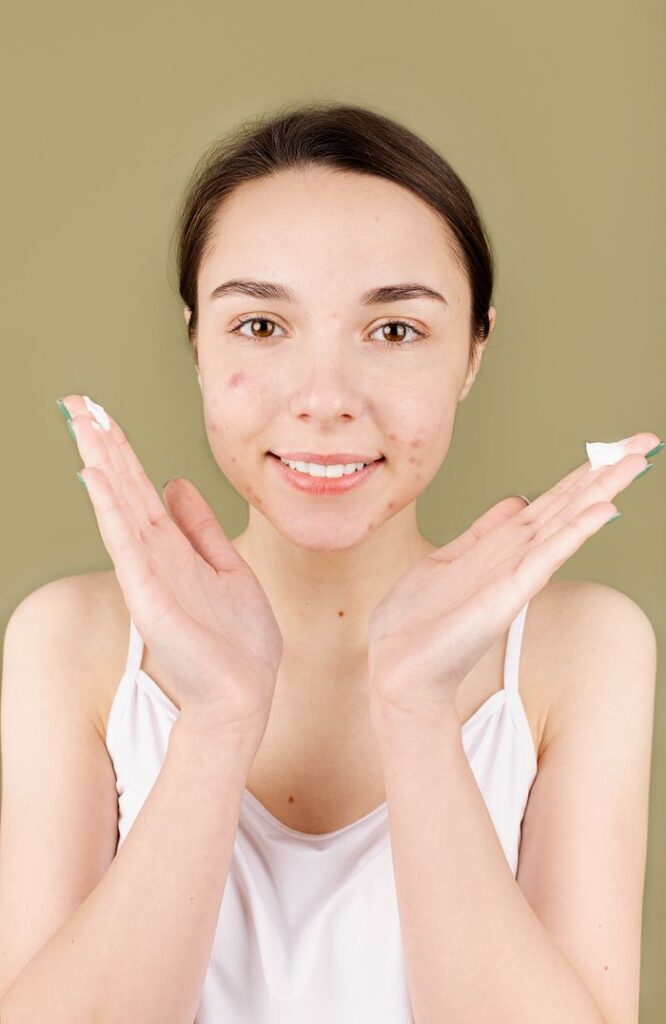
Redness after a breakout can feel like the acne never really left, even after the bump goes flat. The angry pink or red tone often outlasts the pimple itself.
That leftover color happens because your skin is still healing underneath. Blood rushes to the spot to fight bacteria and rebuild tissue, and this shows up on the surface as color, not just texture.
Left alone, that redness can stick around for days or weeks, especially if you keep touching your skin or skip products that calm swelling. Some spots turn into deeper marks that take months to fade.
The good news is that redness responds fast once you know what actually works. This guide covers quick fixes for calming color today, plus the ingredients and habits that keep it from coming back.
Why Does Acne Turn Your Skin Red?
Acne starts when a pore clogs with oil, dead skin, and bacteria. Your immune system treats this clog as a threat and reacts immediately.
That reaction sends extra blood and immune cells to the area. More blood near the surface is what gives a pimple its pink or red tone.
Redness spreads more widely when a bump sits deep under the skin, as with cystic acne. Surface issues like blackheads rarely cause this kind of color change.
Once a pimple heals, some redness can linger for weeks afterward. Tiny blood vessels near the surface stay slightly widened even after the bacteria are gone.
How to Get Rid of Redness from Acne Fast
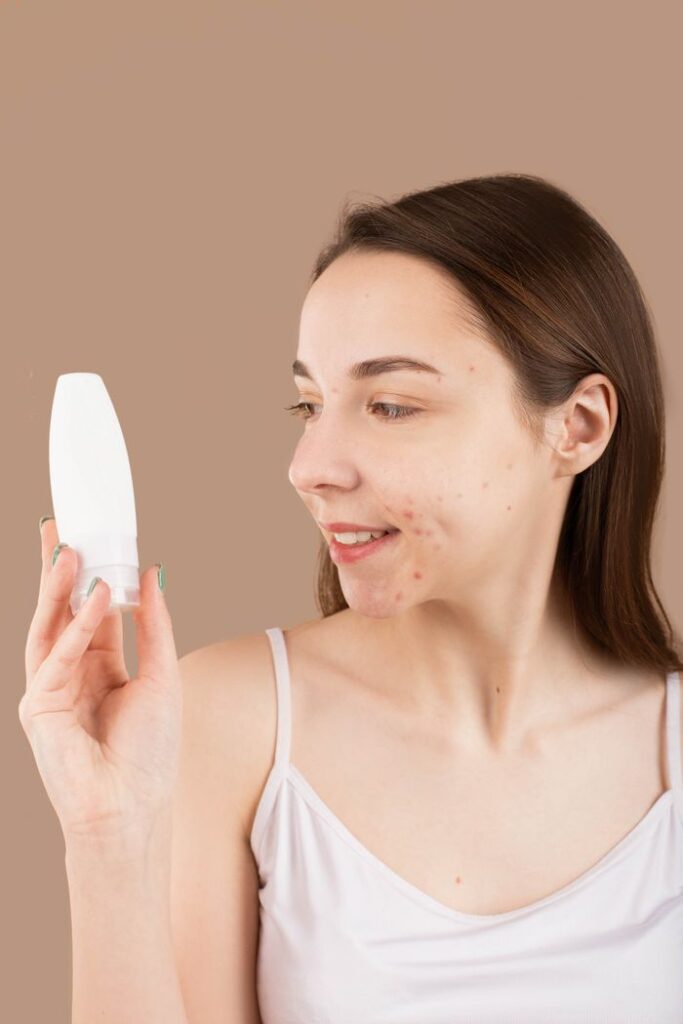
Sometimes you need the color gone within the hour, not next week. A few simple tricks bring redness down fast, even without treating the acne itself.
These methods work by cooling the skin or calming blood flow at the surface. None of them replaces a real routine, but they buy you time before an event or a photo.
Reach for a Cold Compress First
A cold, damp cloth pressed on the spot narrows the blood vessels near the surface. Less blood flow right there means less visible red.
Hold the compress in place for 2 to 3 minutes, then give your skin a short break. Repeat this two or three times for the best result.
Try an Ice Cube Wrapped in a cloth.
Never place ice directly on bare skin, since it can cause a cold burn. Wrap it in a soft, clean cloth first.
Press the wrapped ice gently on the red spot for thirty seconds at a time. This narrows blood vessels quickly and calms swelling around the bump.
Use a Green-Tinted Color Corrector
Green sits opposite red on the color wheel, so a green-tinted primer visually cancels out red tones. This will not heal the skin, but it hides redness right away.
Dab a small amount only on the red areas, then blend your regular makeup over it. Using too much can leave a gray or ashy cast behind.
Apply a Fast-Acting Spot Treatment
According to WebMD, its <cite index-inflammatory properties make it helpful for treating skin inflammation and managing related symptoms, such as redness and red patches.
Most people notice reduced redness within four to eight weeks of consistent use, based on findings showing improvements in breakouts, redness, and skin texture during that window. Look for a serum or moisturizer with two to five percent niacinamide.
Azelaic Acid Targets Redness and Bumps Together
Azelaic acid treats both breakouts and the redness they leave behind, making it useful for stubborn skin. A systematic review published in the Journal of Cosmetic Dermatology found consistent evidence that azelaic acid is more effective than a plain base cream at reducing redness severity, based on a pooled analysis of three randomized trials.
That same review reported a mean improvement of 51 percent in redness among patients using azelaic acid, compared with 36 percent in the control group, after 12 weeks. Numbers like these make it one of the better-studied options for calming acne redness.
Azelaic acid is available over the counter at lower strengths, with stronger versions sold by prescription. Give it several weeks of daily use before judging the result.
Centella Asiatica Repairs a Weak Barrier
Centella asiatica, also known as cica or tiger grass, has featured in traditional medicine for centuries as a skin-calming herb. A study published in the Journal of Alternative and Complementary Medicine found that index centella can decrease erythema, the medical term for skin redness.
This plant extract works in part by repairing a weakened skin barrier, which reduces skin reactivity over time. A damaged barrier lets in more irritants, which leads to more redness and sensitivity down the line.
Look for centella in a serum, cream, or sheet mask, and pair it with a simple, fragrance-free routine. Stacking too many active ingredients at once can undo its calming effect.
Daily Habits That Keep Acne Redness Down
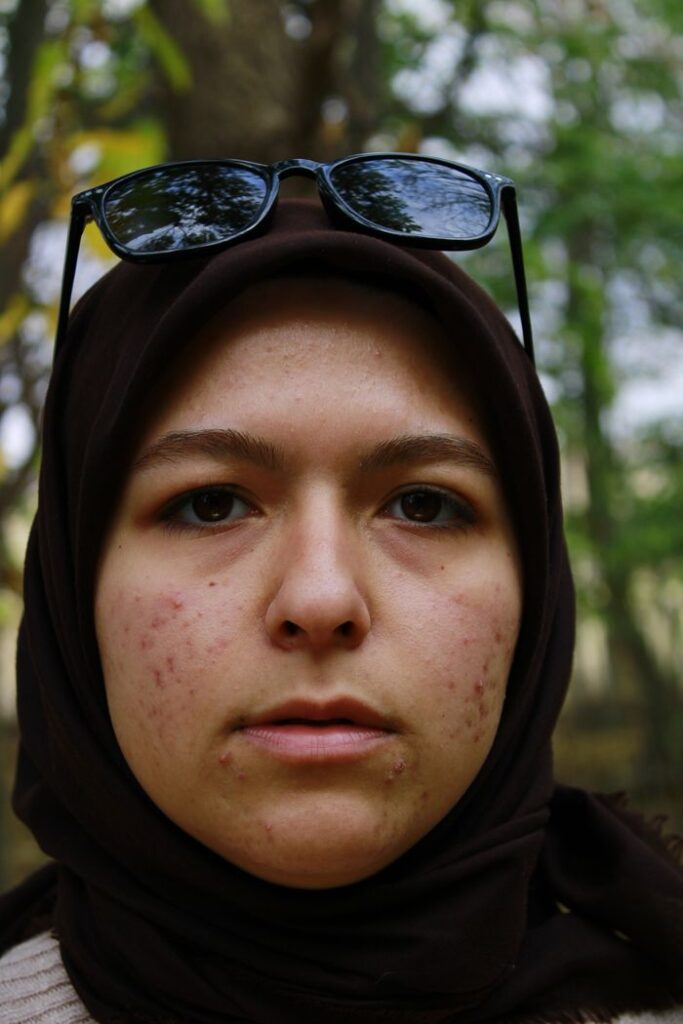
Products help, but daily habits matter just as much for keeping redness under control. Small changes in how you treat your skin can stop new flare-ups before they start.
These habits work best alongside the ingredients above, not instead of them. Consistency matters more here than intensity.
Skip Harsh Scrubs and Hot Water
Scrubbing red, inflamed skin only piles more irritation on top of what is already there. Use a gentle, fragrance-free cleanser and wash with lukewarm water instead.
Pat your skin dry with a clean towel rather than rubbing it. Rubbing can reopen tiny blood vessels and bring back the redness you just calmed down.
Wear Sunscreen Every Single Day
UV exposure makes redness and dark marks worse and slows down healing. A broad-spectrum sunscreen shields healing skin from further damage.
Choose a lightweight, non-comedogenic formula, so it will not clog pores or trigger new breakouts. Reapply it if you spend real time outdoors.
Stop Touching and Picking at Your Skin
Picking at a red bump pushes bacteria deeper and almost always makes the swelling worse. It can also lead to scarring that outlasts the original spot by months.
Keep your hands off your face during the day, and change your pillowcase often. Both habits reduce the bacteria that reach your skin.
When Acne Redness Needs a Dermatologist
Most redness fades with steady care within a few weeks. Some cases need more than a skincare routine can offer.
If a red bump feels hot, hard, and painful beneath the skin, it may be a deep cystic breakout. These often need a prescription treatment to calm down fully.
Redness that spreads, keeps returning, or shows up with tiny visible blood vessels can point to rosacea rather than acne alone. A dermatologist can tell the two apart quickly.
Scarring or lasting discoloration after breakouts also responds better to in-office care than home remedies. A professional can suggest options such as prescription retinoids, light therapy, or chemical peels suited to your skin.
FAQS
How do you get rid of acne redness fast?
A cold compress or an ice cube wrapped in cloth brings down redness within minutes by calming blood flow at the surface. A green-tinted corrector hides any remaining color.
How can you get rid of acne redness instantly?
No method erases redness in seconds, but cold temperature and color-correcting makeup come closest. Both work on the surface rather than addressing the root cause.
What reduces the redness of acne over the long run?
Niacinamide, azelaic acid, and centella asiatica all have strong evidence supporting their ability to calm acne redness with regular use. Sunscreen and gentle cleansing support these ingredients by protecting healing skin.
How do you calm acne redness without irritating your skin further?
Avoid scrubbing, hot water, and harsh exfoliants while your skin is still red and healing. Stick to gentle, fragrance-free products until the color settles down.
How long does it take to reduce redness from acne?
Quick fixes work within minutes, while active ingredients usually require 4 to 8 weeks of consistent use to show visible results. Staying consistent matters more than switching products often.