

Most people should oil-cleanse once a day, ideally in the evening, as the first step in a double cleanse. This removes makeup, sunscreen, and the day’s buildup of oil before a water-based cleanser finishes the job.
If you wear little to no makeup and don’t use SPF, you can skip the morning oil cleanse and use a gentle face wash instead. How often you should oil cleanse depends mostly on your skin type and how much product you wear during the day.
How Often to Use Oil Cleanser Based on Skin Type
There’s no single answer that works for every face. How often to use oil cleanser really comes down to what your skin can tolerate without feeling stripped or, on the flip side, still greasy. Below is a simple breakdown by skin type to help you figure out where you fall.
Skin type affects not just frequency but also which oil works best. Someone with oily skin might reach for a lightweight formula, while someone with dry skin needs something richer. Testing for a week and watching how your skin responds is the easiest way to confirm you’ve picked the right rhythm.
Oily/Acne-Prone Skin
Oil cleansing once daily at night usually works well for oily, acne-prone skin, as it helps dissolve excess sebum without over-drying. Using it twice a day can sometimes trigger more oil production as skin tries to compensate. Stick to a lightweight, non-comedogenic oil and follow with a gentle foaming cleanser.
If breakouts flare up after starting oil cleansing, cut back to every other night for a week. Give your skin time to adjust before deciding whether the method is right for you. Consistency at a lower frequency often beats daily use that irritates your skin.
Dry/Sensitive Skin
Dry and sensitive skin types often do best with oil cleansing once a day, in the evening only. Morning cleansing can be swapped for a splash of water or a hydrating mist instead. This keeps the skin barrier intact while still removing overnight buildup.
Look for richer oils, like squalane or jojoba blends, that won’t leave skin feeling tight afterward. If redness or flaking appears, reduce to three or four times a week rather than stopping altogether. Sensitive skin usually responds better to gradual changes than sudden ones.
Combination Skin
Combination skin can typically handle nightly oil cleansing without much issue, since the method balances oil in the T-zone while still respecting drier cheeks.
One evening cleanse is usually enough to keep both areas in check. Morning use is optional and depends on how oily your T-zone feels by the next day.
Pay attention to how your skin behaves through the week, since combination skin can shift with the weather or hormones. A slightly heavier oil in winter and a lighter one in summer can help maintain that balance. Adjusting seasonally is often more effective than picking one oil and using it year-round.
Normal Skin
Normal skin has the most flexibility here. Once daily is the standard recommendation, but skipping a day here and there won’t cause problems. This skin type tends to tolerate oil cleansing well, with little trial and error.
Even with normal skin, it’s worth paying attention to any changes after starting a new routine. Mild breakouts or dullness can mean the oil you’re using isn’t quite right, not that oil cleansing itself is the problem. Switching formulas is usually a better fix than changing frequency.
Should You Oil Cleanse Every Day?
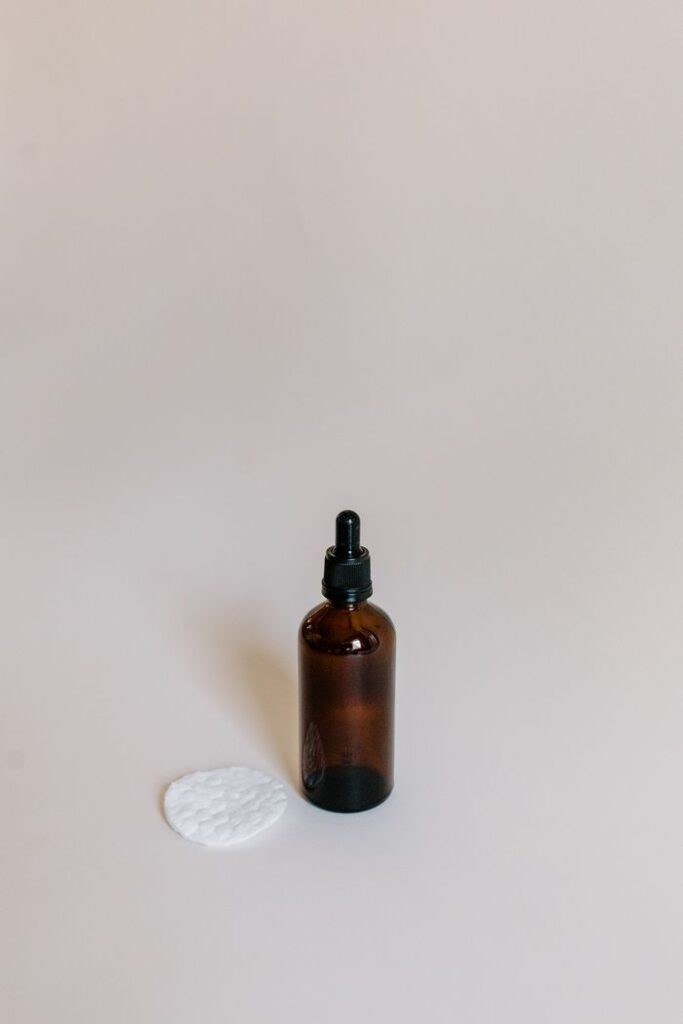
For most skin types, daily oil cleansing is safe and often recommended, especially as part of an evening double-cleanse routine.
It helps remove sunscreen, makeup, and pollution buildup that a water-based cleanser alone may not fully break down. Daily use also keeps pores clearer over time, which can reduce congestion and blackheads.
That said, daily oil cleansing may be too much if your skin starts feeling tight, red, or unusually reactive. This is more common with very dry or highly sensitive skin, or if you’re using an oil that’s too heavy for your skin type.
If you notice these signs, cutting back to every other day is a reasonable adjustment rather than abandoning the method entirely.
Can You Oil Cleanse Twice a Day?
Oil cleansing twice a day, once in the morning and once at night, works for some people, particularly those with oily skin who feel a film of oil has built up overnight.
In this case, a quick AM oil cleanse, followed by a light rinse, can leave skin feeling fresher before makeup or sunscreen. It’s not necessary for everyone, but it’s not harmful for oil-tolerant skin either.
The bigger risk with twice-daily use is over-cleansing, which can damage the skin barrier and lead to increased sensitivity, redness, or breakouts.
Signs of overdoing it include a tight or dry feeling shortly after cleansing, or oil production that seems to increase rather than balance out. If either happens, dropping back to once a day is usually enough to get back on course.
How Many Times a Day Should You Oil Cleanse Your Face?
How often you should oil-cleanse your face largely depends on whether you’re doing a double cleanse or using oil as your only cleanser.
In a double-cleanse routine, oil cleansing once at night is standard, since it’s paired with a second, water-based cleanser to ensure the skin is fully cleansed. This combination approach only requires one oil cleanse per day.
If you’re using an oil cleanser as a standalone method without a second cleanse, some people find that using it twice daily works better for keeping skin properly clean.
This is less common and tends to suit normal to oily skin types more than dry ones. For anyone unsure which approach fits, starting with one evening cleanse and adjusting from there is the simplest way to find the right frequency.
Signs You’re Oil Cleansing Too Much or Too Little

Tightness, flaking, redness, or a burning sensation after cleansing usually indicates cleansing too often for your skin type.
On the other hand, if your skin still feels greasy, makeup isn’t fully removed, or you’re noticing more clogged pores than usual, you may not be oil cleansing enough or thoroughly. Breakouts can go either way, so it helps to look at the full picture rather than a single symptom.
The best approach is to start with once daily, watch your skin for about a week, and adjust up or down based on how it responds. Small changes, like switching oils or reducing the frequency by a day or two, are usually enough to fix either problem without abandoning oil cleansing altogether.
FAQs
Can I skip oil cleansing some days?
Yes. Skipping a day here and there, especially if you didn’t wear makeup or sunscreen, won’t undo any benefits. Your skin won’t suffer from occasional breaks, and for sensitive or dry skin, a few oil-free days a week can actually help.
Is it okay to oil cleanse only at night?
Absolutely, and for most people this is the recommended approach. Nighttime is when oil cleansing does the most work, removing the buildup from your day before your skin repairs itself overnight.
Does frequency change with weather or season?
Yes. Skin tends to produce more oil in humid or warm weather and less in cold, dry conditions. It’s common to oil-cleanse more consistently in summer and scale back slightly, or switch to a richer oil, during the winter months.