
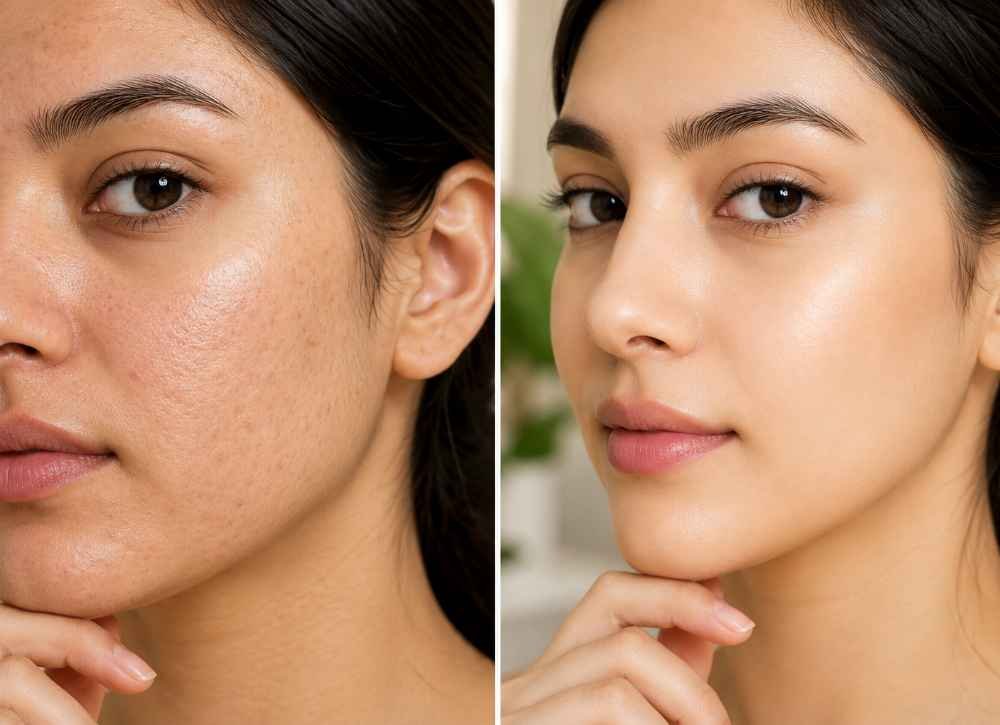
Rough, bumpy skin on the face is something a lot of people deal with daily. It does not look bad just under bright light; it also makes makeup sit unevenly and makes your skin feel rough to the touch. If left without care, skin texture can get worse over time, especially with sun exposure and aging. The longer you ignore it, the harder it becomes to smooth things out.
The frustrating part is that most people try random products without knowing what is actually causing the texture. Bumpy and textured skin can be a temporary condition caused by dry or inflamed skin, or it can be a result of a past or present skin condition, according to Affiliated Dermatology. Without knowing the real cause, even the best products will give you very few results.
The good news is that knowing how to get rid of texture on skin is not complicated once you understand what is going on. There are both simple at-home steps and targeted treatments for each area of the face. This guide breaks it all down by skin type, face area, and texture type, so you can pick what fits your situation and actually start seeing results.
- What Is Skin Texture And What Causes It?
- How To Get Rid Of Grainy Skin Texture On Face?
- How To Get Rid Of Rough Skin Texture On Face?
- How To Get Rid Of Sandy Skin Texture On Face?
- How To Get Rid Of Textured Skin On Face?
- How To Get Rid Of Textured Skin On Face Naturally?
- How To Get Rid Of Textured Skin On Face Fast?
- How to get rid of dry textured skin on the face?
- How To Get Rid Of Texture On Sensitive Skin?
- How To Get Rid Of Skin Texture On Cheeks?
- How To Get Rid Of Textured Skin On Chin?
- How To Get Rid Of Textured Skin On Nose?
- How To Get Rid Of Skin Texture On Nose Bridge?
- How To Get Rid Of Skin Texture On Forehead?
- FAQ’S
What Is Skin Texture And What Causes It?
Textured skin is the term given to skin that appears raised or uneven in certain areas. It is often the result of enlarged pores, acne, or acne scarring. It can feel bumpy, dry, or rough depending on what is causing it.
Texture changes can be caused by various factors, including dryness, buildup of dead skin cells, sun exposure, aging, or genetics. So before picking a product, you need to know which one is your main trigger.
Too much UV radiation can make your skin bumpy and rough because it breaks down collagen and causes premature aging. This is why many people see texture worsen in summer without understanding why.
Stress, poor sleep, and diet also quietly contribute to uneven skin. Your skin shows what is happening inside, and neglecting basic health habits makes any skincare routine less effective.
How To Get Rid Of Uneven Skin Texture On Face?
Hydration is one of the most powerful skin texture remedies. When your skin is properly hydrated, it appears plumper, smoother, and more radiant. Start with a hydrating cleanser and a good moisturizer every single day.
Chemical exfoliants use special acids to break down the bond that keeps dead skin cells stuck on your face, helping them fall off naturally and revealing the fresh skin underneath. AHAs like glycolic acid work especially well for uneven texture across the face.
Consistency matters more than any single product. Switching between treatments too often will confuse your skin and delay results.
How to get rid of bumpy skin texture on the face?
Bumpy texture is usually caused by clogged pores, congestion under the skin, or minor acne. Clogged pores occur when oil, debris, or leftover makeup lingers on the skin, causing small bumps or congestion that contribute to an uneven look.
A gentle BHA cleanser used twice a day helps break down the buildup inside pores. Salicylic acid is especially good here because it goes deep into the pore rather than just sitting on the surface.
Do not scrub aggressively, thinking it will speed things up. Over-scrubbing can damage the skin barrier and actually create more bumps over time.
How To Get Rid Of Grainy Skin Texture On Face?
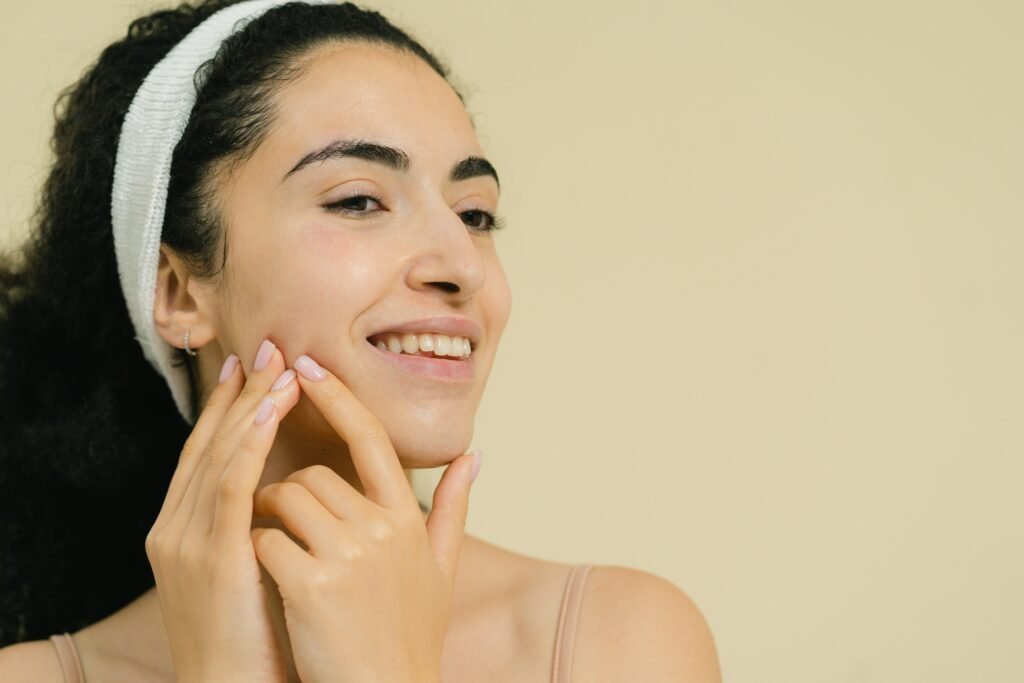
Grainy texture usually comes from a buildup of dead skin cells that have not been properly removed. It makes the skin feel almost like sandpaper, especially after cleansing your face.
Exfoliating is essential for removing dead skin cells and helping your skin grow new cells that will give you smoother skin. Use an exfoliation brush in gentle circles on your face and neck.
Enzyme-based exfoliants are a gentler option if your skin is reactive. Papaya and pineapple enzymes dissolve dead cells without the harshness of a scrub.
How To Get Rid Of Rough Skin Texture On Face?
Rough texture on the face is often tied to dehydration or a damaged skin barrier. When the skin lacks moisture, it becomes tight, flaky, and rough to the touch.
Dehydrated skin can lead to flakiness and a rough texture, so staying hydrated is vital to maintaining healthy, smooth skin. The recommended daily water intake is 15.5 cups for men and 11.5 cups for women.
On top of drinking water, applying a ceramide-rich moisturizer helps repair the skin barrier from the outside. Look for ingredients like hyaluronic acid and glycerin to pull moisture back into the skin.
How To Get Rid Of Sandy Skin Texture On Face?
Sandy texture is very similar to grainy skin but tends to feel more scattered and uneven across the face. It usually points to a combination of dead cell buildup and mild dryness.
Gentle exfoliation two to three times a week, paired with daily moisturizing, is the basic starting point. You can exfoliate your skin three to four times a week. By using an exfoliator, you can clean your skin and the areas that need it the most, but do not forget to moisturize afterward.
Adding a Vitamin C serum in the morning also helps here. It smooths the surface, brightens dull patches, and protects the skin from the environmental damage that causes this type of texture.
How To Get Rid Of Textured Skin On Face?
Textured skin on the face covers everything from small bumps to rough patches and uneven surfaces. Rough patches, acne scars, enlarged pores, and flakiness can make the skin look overly textured, dull the skin’s overall look, and add years to its appearance.
The key is building a routine that targets your specific type of texture rather than using a generic skin care approach. Cleansing, exfoliating, and moisturizing are the three steps that form the foundation of any effective routine.
How To Get Rid Of Textured Skin On Face Naturally?
Natural options work well when the texture is mild and not caused by a deeper skin condition. Papaya contains natural enzymes that gently dissolve dead skin cells. Mash up some ripe papaya and leave it on your face for 10 minutes for a gentle natural exfoliation.
Aloe vera gel is another simple option that soothes irritation and adds hydration to rough areas. Apply it as a light layer before your moisturizer and use it consistently for a few weeks.
Honey masks, green tea toners, and oatmeal scrubs are all gentle enough for regular use. The results come slowly with natural options, but they are steady and safe for most skin types.
How To Get Rid Of Textured Skin On Face Fast?
For faster results, chemical exfoliants and professional treatments are the most effective options. Nonsurgical treatments like laser resurfacing, chemical peels, and microneedling can significantly improve skin texture.
At home, retinol is one of the fastest-working ingredients for texture. It speeds up cell turnover, which means old rough cells shed faster and fresh smooth skin comes through more quickly.
Start with a low concentration of retinol if you are new to it. Using it too frequently at the beginning can cause peeling and redness that temporarily makes the texture look worse.
How to get rid of dry textured skin on the face?
Dry skin texture needs two things at the same time: exfoliation and deep hydration. Exfoliating without moisturizing leaves dry skin more irritated, while moisturizing without exfoliating traps dead cells and seals in the roughness.
Use a lactic acid exfoliant, as it gently removes dead skin while also pulling moisture into the skin at the same time. It is one of the best options specifically for dry textured skin.
Follow it with a thick cream-based moisturizer at night and a lighter hydrating one in the morning. Using a moisturizer that is best for your skin type will help make your skin feel younger and more buoyant. Search for a moisturizer with calming ingredients like niacinamide.
How To Get Rid Of Texture On Sensitive Skin?
Sensitive skin needs a slower and gentler approach to avoid flare-ups. Harsh exfoliants, strong acids, and multiple active ingredients used together can all trigger redness and more texture.
For those with sensitive skin, consult with your dermatologist or esthetician about what products are best for you to use. What works for normal skin can easily cause a reaction on sensitive skin.
Enzyme exfoliants and fragrance-free moisturizers are the safest starting point. Introduce one new product at a time and wait at least two weeks before adding anything else to your routine.
How To Get Rid Of Skin Texture On Cheeks?
Cheek texture is very common and is often caused by enlarged pores, past breakouts, or dryness in that area. The cheeks are also more exposed to environmental damage, which breaks down collagen over time.
A targeted approach works best here. Use a gentle AHA exfoliant on the cheeks two to three times a week and follow with a rich moisturizer to keep that area soft and supported.
How To Get Rid Of Textured Skin On Chin?
The chin is a common spot for hormonal breakouts, which often leave behind uneven texture and small bumps. Salicylic acid works well in this area because it targets the oil and bacteria that cause chin congestion.
Spot-treating the chin with a BHA gel a few nights a week can gradually smooth out the texture. Be careful not to over-dry the area, as this makes the skin compensate by producing even more oil.
How To Get Rid Of Textured Skin On Nose?
The nose has more oil glands than most parts of the face, making it a prime spot for clogged pores and bumpy texture. When oil, debris, or leftover makeup lingers on the skin, it can clog pores and cause small bumps or congestion that contribute to an uneven look.
Regular double cleansing helps keep the nose area clear. Oil-based cleanser first, then a gentle foaming cleanser second, this removes the excess sebum without stripping the skin dry.
How To Get Rid Of Skin Texture On Nose Bridge?
The nose bridge tends to get texture from a mix of dryness and sun damage since it is often the highest and most exposed part of the face. Flaking, rough patches, and small raised bumps are all common here.
Applying SPF daily to the nose bridge is one of the best things you can do. Over time, neglecting proper SPF can cause uneven skin tone, textured skin, and a higher risk of skin cancer. You should be wearing SPF protection every day, even if it is cloudy or rainy.
A gentle hydrating serum under sunscreen helps prevent the dryness that makes the nose bridge texture worse. This simple two-step combo, serum and SPF, does more than most people expect when used consistently.
How To Get Rid Of Skin Texture On Forehead?
Forehead texture is usually caused by product buildup, excess oil, or small bumps from congested hair follicles. Hairline products like dry shampoo and hair oils often migrate to the forehead and clog pores there.
Switch to a non-comedogenic moisturizer and keep heavy hair products away from the hairline. A salicylic acid toner used on the forehead a few times a week helps clear out the congestion that causes bumps.
Consistency and cleanliness in this zone matter the most. Touching your forehead often or resting your face on your hands transfers bacteria, which adds to the texture over time.
FAQ’S
Does Skin Texture Go Away On Its Own?
Not usually. Dead cell buildup, clogged pores, and dryness need to be actively treated. Without a routine, texture tends to stay the same or slowly get worse.
How Long Does It Take To Get Rid Of Skin Texture?
Mild texture can improve in two to four weeks with consistent care. Deeper texture from scarring or enlarged pores takes longer and may need professional treatments.
Is Retinol Good For Skin Texture
Yes, retinol speeds up cell turnover, which helps smooth rough patches over time. Start with a low concentration two to three nights a week, to avoid irritation.
Can Drinking Water Improve Skin Texture?
It helps, but it is not enough on its own. Drinking enough water each day will limit skin itchiness and rough texture in all areas of the body. Pair it with a good moisturizer for real results.
What Ingredients Work Best For Skin Texture?
AHAs, BHAs, retinol, niacinamide, and Vitamin C are the most effective. Each targets a different cause of texture, so picking the right one depends on what is causing yours.