
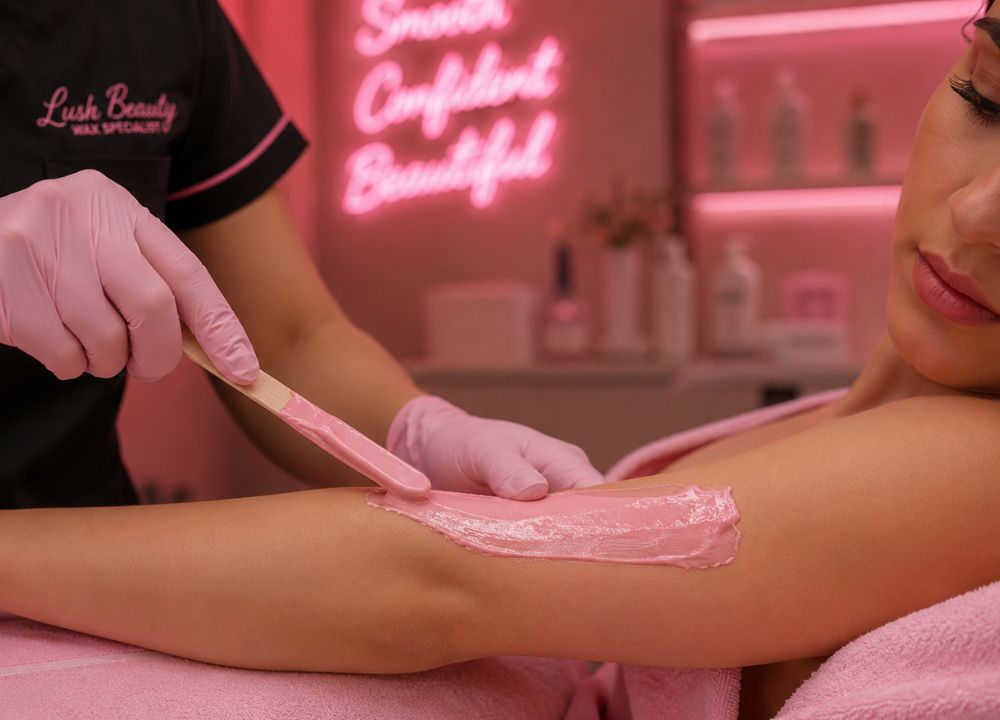
Arm hair removal sounds simple, but most people get stuck at the “how do I actually do this right” part. A bad wax job leaves patchy skin, redness, and broken hairs that grow back rough and stubbly. If it goes wrong, your skin can also stay irritated for days, which nobody wants.
Arm waxing removes hair from the root, keeping skin smooth for weeks, unlike shaving, which brings back stubble within days. But skipping the right steps, like prepping your skin or using the wrong wax type, can make the whole experience painful and messy. That is what most guides skip over, and it is exactly where things go wrong.
The good news is that learning how to wax your arms does not require a salon visit or expensive tools. With the right technique and a little patience, you can get salon-quality results from home. This guide walks you through every method, every tip, and everything in between so you get it right on your first try.
How to wax your arms at home?
Starting at home feels intimidating at first, but it gets easier once you know the basics. The most important thing before anything else is to prep your skin properly, because skipping this step is why most people end up with uneven results or skin irritation.
Exfoliate your arms a day or two before waxing to remove dead skin cells and reduce the risk of ingrown hairs. On the day of waxing, clean your arms thoroughly with a pre-wax cleanser to remove any oils, lotions, or dirt. If you do not have a pre-wax cleanser, a light dusting of baby powder works well to keep the skin dry.
Your arm hair should be at least 1/4 inch long before waxing, because that is the sweet spot for the wax to grip the hair properly. If the hair is too short, the wax cannot hold it, and if it is too long, the pull becomes more painful than it needs to be.
Work in small sections across the arm, moving from the elbow toward the wrist. Apply the wax in the direction of hair growth and remove it in the opposite direction with a quick, flat pull, keeping your hand close to the skin the whole time.
How to wax your arms with hard wax?
Hard wax is one of the better choices for arm waxing, especially if your skin is sensitive. It works differently from strip wax because it grips the hair and not the skin, which makes the whole process a bit gentler.
Hard wax works best for bigger areas like arms and legs. It is gentler on the skin and less painful overall. Heat your hard wax beads to 150-175 degrees Fahrenheit until the wax looks warm and gooey, similar to honey. Getting the temperature right matters because wax that is too cool will not spread well, and wax that is too hot can burn.
Apply a thin layer in the direction of hair growth and leave a slightly thicker edge at the end so you have something to grip when it is time to remove it. Allow the wax to harden for a few seconds, then touch it to make sure it is dry and ready. Hold your skin taut with one hand and lift the edge of the wax, removing it in a quick, swift movement in the opposite direction of hair growth.
How to wax your arms with hot wax?
Hot wax is similar to hard wax but comes in a softer form that still requires a wax warmer and a strip for removal. It spreads smoothly and grips hair well, making it a solid option for larger surface areas like the full arm.
Always work from the shoulder down to the wrists. Apply a thin, even layer of wax going with the direction of the hair, then cover the wax with a hair removal strip immediately. Using your palm, smooth the strip firmly over the wax three or four times.
Remove the strip quickly, going against the direction of hair growth. For best results, pull the strip backwards rather than outwards. This ensures more hairs are removed at the root and minimises the risk of ingrown hairs. Always keep the skin pulled taut with your free hand so the pull stays clean and controlled.
How to wax your arms with wax strips?
Wax strips are the easiest entry point for anyone trying arm waxing for the first time. They come pre-coated, need no heating, and work well for thinner arm hair.
Cleanse both forearms with soap and water to remove any dirt, oils, or sweat before you begin. Choose strips that are designed for sensitive skin, since the skin on the arms is not as tough as on the legs.
Apply the wax strip in the direction of hair growth. On the arms, this may vary, so take a close look at the way your hair grows. Smooth down the strip with your hand, then grab the lower end and zip it off as quickly as possible in the opposite direction of hair growth. Always keep your hand close to the skin and always pull along the skin, never away from it, as this will irritate or bruise the skin.
How to wax your arms yourself, Gigi?
The GiGi wax system is one of the most popular choices for at-home waxing, and it works especially well for people waxing their own arms solo. GiGi offers a professional multi-purpose wax warmer that makes the process straightforward for home users.
The key to doing your own arms with GiGi is learning to work in manageable sections so you are not trying to reach awkward angles all at once. Bend the arm slightly when waxing the back of the forearm, and keep the opposite hand free to pull the skin taut. Pulling the strip parallel to your skin rather than upwards helps reduce pain and irritation, and working in small sections makes the process more manageable and less painful.
How to sugar wax your arms?
Sugar waxing is a gentler, more natural option that has been around for a long time. It uses a paste made of sugar, water, and lemon, which is heated until sticky and then applied to the skin, similar to traditional hot wax. You can use it on arms, legs, the bikini area, and even the face.
To make sugar wax at home, combine 2 cups of granulated sugar, 1/4 cup of lemon juice, and 1/4 cup of water in a heavy-bottomed saucepan. Heat over medium-high heat, stirring occasionally to avoid burning, until the mixture reaches a thick, sticky consistency. Let it cool before applying it so it does not burn the skin.
One thing that makes sugar wax different from regular wax is how you remove it. Flick the wax in the natural direction of hair growth rather than against it, which is the opposite of traditional waxing. You can reapply over the same area to catch any missed hairs. Clean up is also easier since sugar wax is water-soluble, so warm water rinses it right off.
How to make waxing your arms hurt less?
Waxing does sting, but how much it stings depends a lot on what you do before you even open the wax. A few smart steps beforehand can make a real difference.
Exfoliate the skin 24 to 48 hours before waxing to remove dead skin cells and free any trapped hair. This allows the wax to grip hair more efficiently and reduces unnecessary pulling. Hydration also matters, so drink enough water so the skin is not dry or tight on the day of waxing.
Apply a numbing cream or spray to your arms about 30 minutes before waxing if you have a low pain tolerance. This can significantly dull the sensation. Using hard wax also helps, as it adheres to the hair rather than the skin, making removal less painful than soft wax.
Taking an over-the-counter painkiller about 45 to 60 minutes before the session can also help calm the nerves and reduce discomfort. Skip caffeine and alcohol on wax day, as both increase sensitivity and make the experience more uncomfortable than it needs to be.
How to get wax off your arm?
Sticky leftover wax on the arm after waxing is completely normal and easy to deal with once you know what actually works. Water and soap alone will not cut it for most waxes.
Dip a cotton pad in mineral oil, massage oil, or olive oil. Warmer oil works better than cold oil. Hold the soaked pad on the wax residue until it is saturated, about two minutes, then wipe off the wax residue with a clean cotton pad.
Leaving wax residue on the skin can lead to irritation from trapped dirt and bacteria, clogged pores, and discomfort from sticky residue rubbing against clothing. Thoroughly removing leftover wax keeps your skin clean and ready for your next skincare step. Avoid scrubbing hard or using anything rough on freshly waxed skin, as it can cause redness and micro-tears.
FAQs
Does waxing make arm hair grow back thicker?
No, it actually does the opposite. Waxing removes hair from the root, which can weaken the hair follicle over repeated sessions, resulting in softer and finer regrowth over time. If you are curious whether waxing stops hair growth completely, the answer is not permanently, but it does slow it down noticeably.
How long should my arm hair be before waxing?
Your arm hair should be at least 1/4 inch long before waxing. Too short, and the wax cannot grip it. Too long, and it gets more painful than it should be.
Can I wax my arms if I have sensitive skin?
Yes, but choose your wax carefully. Hard wax is the better option since it grips the hair and not the skin. Do a patch test 24 hours before your full session to check your skin’s reaction before going all in.
How often should I wax my arms?
Waxing your arms every 3 to 4 weeks keeps them smooth and hair-free. The more consistent you are, the less painful each session becomes over time.
What should I do right after waxing my arms?
Avoid hot showers, direct sunlight, and tanning beds for at least 24 hours after waxing. Apply aloe vera gel or a gentle moisturiser to calm any redness, and avoid harsh products or deodorants on the waxed area.