
Unwanted facial hair is something a lot of women deal with quietly. It sits on the upper lip, the chin, or the sides of the face, and no matter how small it looks, it feels like the first thing people notice. Some try threading, some try shaving, and some just try to ignore it until they can’t anymore.
The problem with ignoring it is that the wrong removal method can make things worse. Shaving gives stubble. Tweezing misses half the hairs. And if the skin is not handled properly, irritation and breakouts follow. That is the real loss, not just the hair, but the damaged skin that comes after a bad removal experience.
So, is it good to wax your face? The honest answer is, it depends on how you do it. According to Vibrant Dermatology, board-certified dermatologists confirm that waxing can be safe and effective, but only when done correctly, with the right products and proper skin preparation.
When waxing is done right, it removes hair from the root, keeps skin smooth for weeks, and even removes a layer of dead skin cells. That is a real benefit, not just a beauty claim. The key is knowing your skin, following the right steps, and not skipping aftercare.
What Is Facial Waxing and How Does It Work?
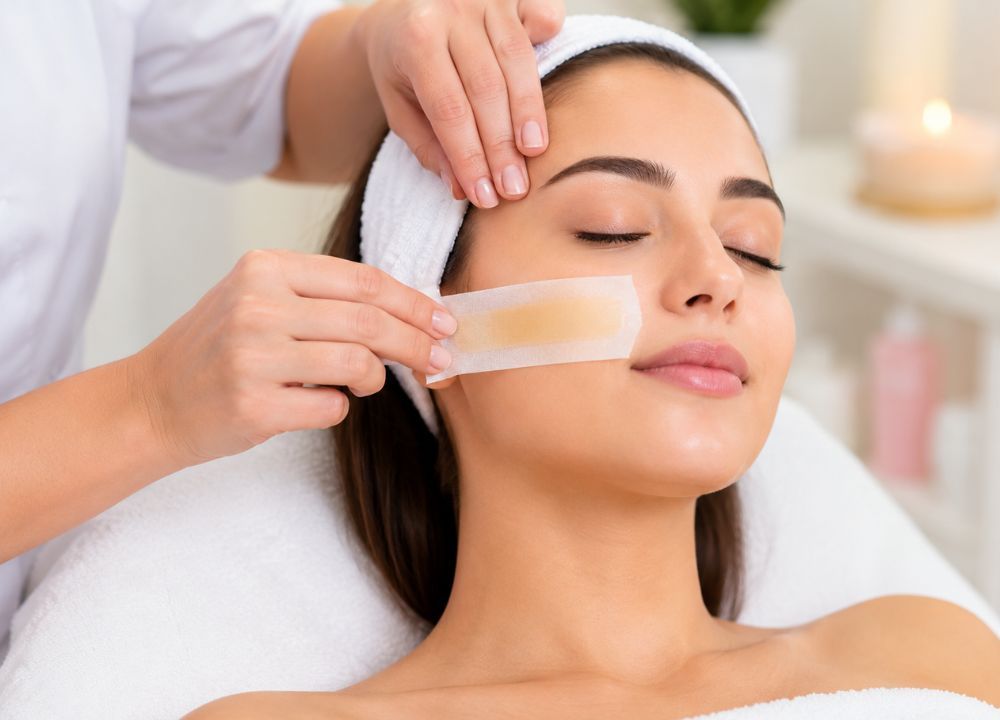
Facial waxing is a hair removal method where warm wax is applied to the skin, pressed down, and then pulled off in the opposite direction of hair growth. It takes a few seconds per section, but the results last for weeks. It targets common areas like the upper lip, eyebrows, chin, and cheeks to give a smoother, hair-free look.
What makes waxing different from shaving is that it pulls hair from the root, not just the surface. This means the skin stays smooth longer, and over time, the hair tends to come back finer and less dense.
Does Waxing Exfoliate Skin
Most people do not know this part, but waxing does more than remove hair. The wax treatment also gives the skin a gentle exfoliation, cleansing the outer layer that is particularly exposed on the face. That is why skin often looks brighter right after a wax session.
Dead skin cells sit on the surface and make the skin look dull. When wax pulls them off along with the hair, the result is a fresher, more even-looking complexion. It is a small bonus that most people notice but never think to explain.
Does Waxing Remove Facial Hair Permanently
Waxing does not permanently remove facial hair, and it is important to be clear about that. Waxing removes hair from the root, so regrowth maintains the same texture and thickness as before, and the idea that it grows back thicker is actually a common myth.
What waxing can do over time is weaken the hair follicle. When hair is consistently removed from the root, the follicle gets damaged gradually, and clients who stick to a schedule often notice their hair returns finer and less dense. So while permanent removal is not the outcome, long-term thinning is a real possibility.
Is It Good to Wax Your Face
For many people, the answer is yes. Waxing is one of the most effective ways to remove facial hair, and when done properly, it comes with real skin benefits beyond just smoothness.
Facial Waxing Benefits
Facial waxing can keep unwanted hair away for four to six weeks, it removes dead skin cells, leaving the skin smooth and soft, and over time, it can lead to reduced hair growth with finer and sparser regrowth. These are not small benefits, especially for someone tired of daily touch-ups.
Waxing also reduces the chances of ingrown hairs compared to shaving, it is a straightforward procedure practiced for decades, and it removes all excess hair quickly without spending hours plucking or shaving. For anyone with a busy routine, that alone makes it worth considering.
Facial Waxing Before and After Results
The change after a proper facial wax is usually noticeable right away. Skin feels smoother, the face looks cleaner, and makeup applies more evenly without fine hairs underneath.
Removing sideburn hair and stray hairs on the sides of the face allows for a cleaner surface when applying makeup, and waxing the chin area ensures all the hairs are grabbed together, leaving skin silky smooth for weeks. That is the kind of result that keeps people coming back.
Does Waxing Make Facial Hair Grow Back Thicker
This is one of the biggest fears people have, and it is not true. The hair generally grows back the same, and while it may seem thicker if it breaks during waxing rather than being removed at the root, proper technique prevents this outcome.
The key is making sure the hair is pulled fully from the root each time. When that happens, regrowth is soft and tapered, not stubbly or coarser. Good technique, whether at home or with a professional, makes all the difference.
Is It Bad to Wax Your Face
Waxing is not inherently bad, but it does carry risks that are important to understand. Facial waxing carries a higher risk than body waxing because facial skin is thinner and more sensitive. That does not mean you should avoid it; it means you need to approach it carefully.
Facial Waxing Side Effects
Redness, swelling, and skin irritation are typical responses when hot wax rips facial hair from the root, and these reactions can last several hours to a few days. For most people, this settles on its own with basic aftercare.
The more serious concerns are folliculitis, which is inflammation of the hair follicles that can look like small pimples, and contact dermatitis from an allergic reaction to wax ingredients. According to Vibrant Dermatology, if pus-filled bumps appear or if redness worsens significantly, a dermatologist should be consulted right away. These are not everyday reactions, but they are possible and worth knowing about.
Is Facial Waxing Safe for Sensitive Skin
Facial waxing can be risky for sensitive skin because it is more prone to redness, irritation, and prolonged healing, and people with sensitive skin often experience stronger reactions than those with resilient skin.
If the skin is sensitive, a patch test before a full session is a must. It is essential to perform a patch test on a small area of the face to check for any adverse reactions before proceeding with a full treatment, and if there is a history of skin sensitivity, consulting a dermatologist or experienced esthetician is advised.
Pain Level of Facial Waxing
Pain during facial waxing is real but short-lived. The face is a sensitive spot, so the pain from face waxing is slightly more intense than waxing other areas, but everyone has a different pain threshold, and some find it uncomfortable while others find it easy to handle.
The upper lip tends to be the most sensitive spot. The chin and cheeks are usually more manageable. The sensation lasts only a second per pull, and with a skilled esthetician, most people say it is far less painful than they expected.
Who Should and Shouldn’t Wax Their Face?
Waxing is a good option for most people, but not for everyone. Knowing which side you fall on saves your skin from unnecessary damage.
Upper Lip Waxing for Women
Upper lip waxing is one of the most common facial waxing treatments for women. The hair there tends to be fine but very noticeable, and waxing removes it cleanly from the root. Results usually last three to four weeks in this area.
Hair growth on the upper lip can be noticeable and bothersome, and waxing every three to four weeks keeps the upper lip area smooth and hair-free. It is fast, effective, and far more precise than shaving.
Chin Hair Waxing for Women
Chinese hair in women is often tied to hormonal changes, and it is more common than most people talk about. Waxing is a reliable way to handle it cleanly and consistently. If hormonal shifts are driving the hair growth, it may also be worth reading about how tretinoin helps with hormonal skin changes, since skin and hormones are closely connected.
While many women choose to pluck chin hairs, some hairs get missed and it becomes a weekly chore that could have been avoided through waxing, since waxing the chin ensures grabbing all hairs at once for smooth skin that lasts weeks. One session replaces days of tweezing.
Is Facial Waxing Safe for Sensitive Skin
People with certain skin problems or on specific medications should pause before booking a wax. Topical treatments like Retin-A and Differin thin the skin and make it more sensitive and prone to tears and peeling, and oral medications like Accutane and many antibiotics can also make skin hypersensitive during waxing.
If there are underlying skin conditions such as eczema, psoriasis, rosacea, or sunburned skin, it is important to consult with a dermatologist before undergoing face waxing, as they can determine if waxing is safe or suggest alternative hair removal methods. This step is not optional for people in these categories.
How Often Should You Wax Your Face?
Getting the timing right is just as important as getting the technique right. Wax too soon, and the hair is too short to grip. Wait too long, and the session becomes more uncomfortable.
The skin on the face is more sensitive, and waxing too often can lead to irritation or damage, so two to four weeks is a more appropriate frequency for facial waxing. Most estheticians agree that this window gives the skin enough time to recover and the hair enough time to grow to the ideal length. If you want to learn more about professional guidance in this area, you can explore professional skin care lines for estheticians to understand what experts use and recommend.
Hair on the face, especially the eyebrows and upper lip, has a short and speedy growth cycle, which is why a maintenance appointment every two to four weeks is standard, and waiting too long, especially with brows, risks losing the clean shape that was worked for. Finding your own rhythm within that range is the key.
Facial Waxing Aftercare Tips
What happens after the wax matters as much as the wax itself. Skipping aftercare is one of the most common reasons people end up with breakouts, redness, or ingrown hairs.
Always moisturize to calm freshly waxed skin, after a few days softly exfoliate to prevent hair from growing inward, and staying hydrated helps skin recover faster, while soothing creams or aloe gel add extra comfort. Knowing how to cleanse your face properly after waxing is also important, since a gentle, thorough cleanse helps remove any wax residue without disturbing the freshly treated skin.
Avoid exposing waxed skin to heat, since it can cause redness and small bumps, and avoid swimming pools for 24 hours after waxing, since chlorinated water can irritate the freshly waxed area. Also, skip face scrubs for at least three to four days so the skin can settle properly. According to European Wax Center, regular exfoliation between sessions also reduces the chance of ingrown hairs and helps moisturizer absorb better. For extra nourishment post-wax, some people find that using a cleansing oil helps remove any leftover wax residue while keeping the skin barrier calm and hydrated.
FAQs
Does facial waxing make hair grow back thicker?
No, it does not. Waxing pulls hair from the root, and regrowth comes back with the same texture. Over time, regular waxing can actually make hair grow back finer and sparser.
Is it okay to wax your face if you have acne?
You should avoid waxing over active breakouts. Wax pulls at already-inflamed skin and can spread bacteria, trigger more breakouts, or cause skin lifting in those areas.
How long does facial waxing last?
Most people see results lasting two to four weeks. Upper lip and chin areas may need attention a little sooner, while brow hair tends to stay neat slightly longer.
Can I wax my face at home safely?
Yes, but with care. Use a wax made for facial skin, always do a patch test first, and make sure the wax is not too hot. If you are new to it, a professional session first is a smart move.
What should I put on my face right after waxing?
Keep it simple. A fragrance-free moisturizer or aloe vera gel is ideal. If you want to know exactly how to use cleansing oil on the face as part of post-wax care, it can be a gentle way to remove residue without stripping the skin. Avoid heavy makeup, exfoliants, or anything with strong active ingredients for at least 24 hours.