
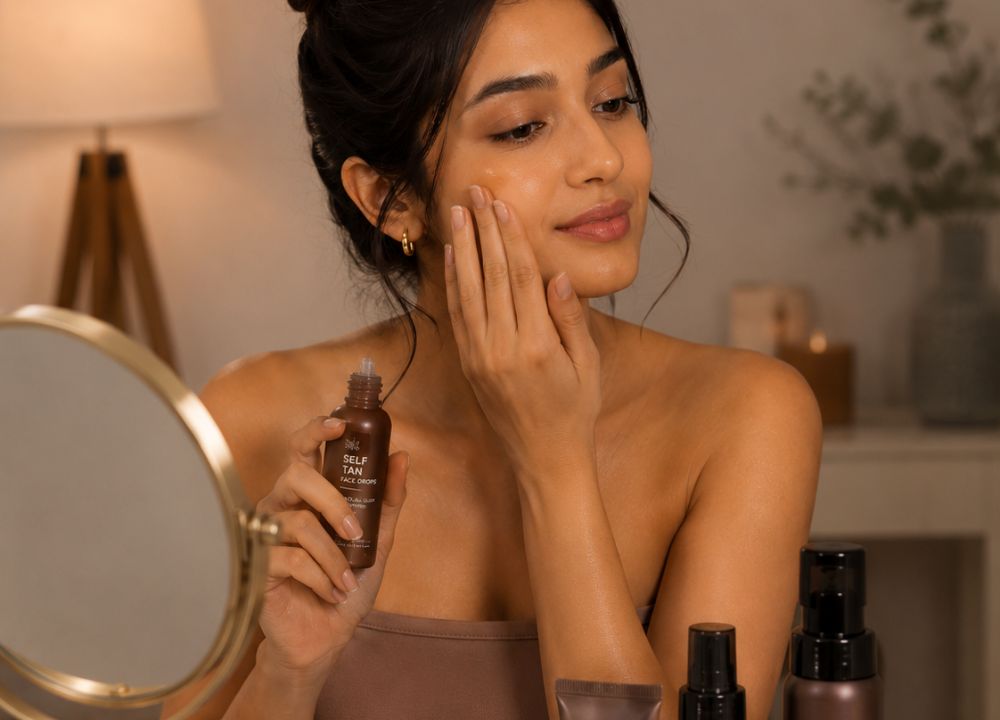
That golden, sun-kissed glow looks beautiful on everyone, but getting there without damaging the skin is where things get tricky. Many people spend hours in the sun hoping for a perfect tan, only to end up with redness, irritation, or worse, long-term skin damage. The desire for bronzed skin is real, but the method matters.
With the rising awareness of risks associated with sun exposure, such as premature aging and skin cancer, many people are turning to safer alternatives for a healthy tan. Skipping proper protection or using the wrong approach can leave the skin looking patchy, damaged, or uneven over time.
The good news is that sunless tanning isn’t complicated. Safe, effective methods can deliver real results without putting your skin at risk. This guide covers everything, from natural approaches to what actually works long-term.
Understanding Sunless Tanning
Sunless tanning refers to methods of achieving a tanned complexion without direct UV exposure, and it’s increasingly popular because it lets you tan year-round while avoiding the risks of prolonged exposure, such as sunburn, premature aging, and skin cancer. The shift toward sunless methods has grown significantly in recent years, and today’s options are much better than they used to be.
Getting a tan without UV exposure does not mean settling for something fake-looking. Modern methods mimic the natural color the skin develops from the sun, without any of the harm that comes with it.
Getting a Natural Tan Through Diet
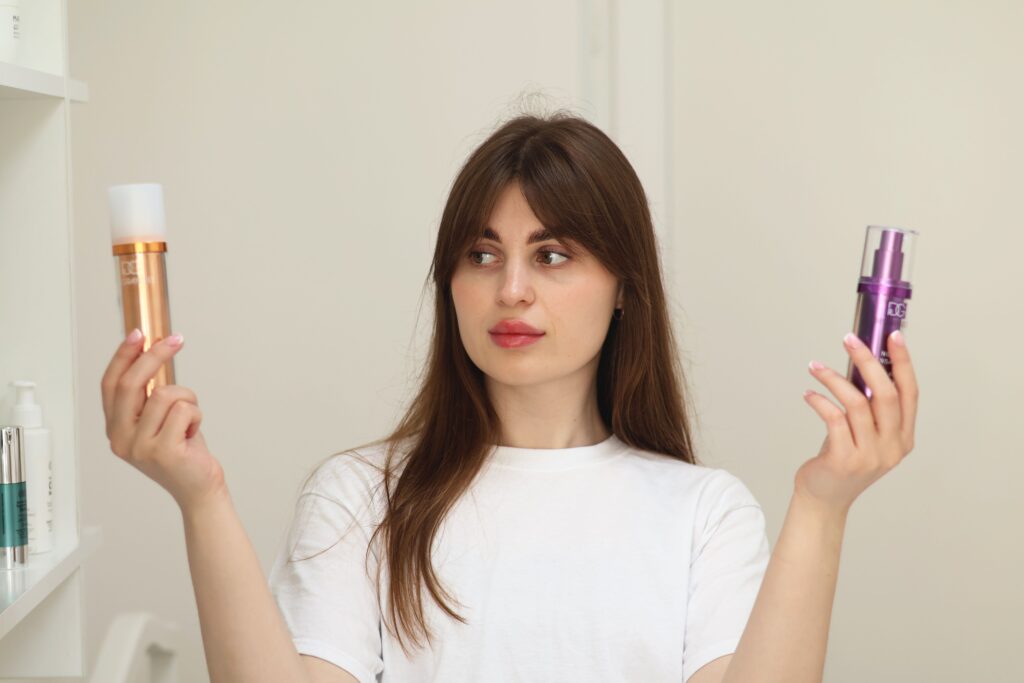
Most people assume a natural-looking tan can only come from actual sunlight. That is not true anymore.
\Some nutrients can intensify skin tan, and beta-carotene is particularly important; found in pumpkin, carrots, sweet potatoes, apricots, and spinach, it is an antioxidant the body converts into vitamin A.
Eating the right foods is one small step, but it works alongside other methods. A diet rich in these pigments gradually gives skin a warmer, golden tone over time.
Making a Self-Tan Last Longer
No single method gives a truly permanent tan without sun. But with a consistent routine, the results can stay fresh for weeks at a time.
The active ingredient in almost all self-tanners is dihydroxyacetone, or DHA, which reacts with amino acids on the skin’s surface to produce a temporary darkening; this tan typically lasts several days and gradually fades as skin cells naturally exfoliate.
For longer-lasting results, maintenance is key. Moisturize daily, avoid long hot showers, and reapply self-tanner every few weeks to keep the color consistent and natural.
Tanning at Home With Natural Methods
At-home tanning has become one of the most popular ways to get a glow without leaving the house. Gradual tanners subtly build color with repeated use, and users can control how deep it builds, with results plateauing after about 7 days of daily use.
Beyond store-bought products, some natural ingredients also help. Applying diluted walnut shell powder or mixing a small amount of cocoa with a moisturizer are older, gentler tricks that can add a slight warm tint to the skin without any chemicals.
Keeping the Color Consistent
Keeping a tan looking consistent over time comes down to preparation and upkeep. Exfoliating before applying any tanning product removes the dead skin layer so the product absorbs evenly.
For optimal application, exfoliate before use to ensure uniform distribution and avoid stains; apply the product in circular motions, then let it dry completely before getting dressed.
The more consistent the routine, the more natural the tan looks. Skipping exfoliation or moisturizing leads to patchy results that fade unevenly.
Choosing the Best Self-Tanning Products
Not all self-tanners perform the same way. Mousses tend to dry faster and work well for people who want quick results, while lotions are better for those with dry skin since they add hydration while tanning. Self-tanning products come in various forms, including lotions, sprays, and mousses, and they contain dihydroxyacetone. This colorless chemical reacts with amino acids in the skin’s outer layer to produce a brown color, offering a streak-free tan with proper application.
Gradual tanners are a great starting point for beginners because the color builds slowly, and any mistakes are easier to correct. Using a tanning mitt during application prevents streaks and keeps the palms from staining.
Maintaining a Tan Without Sun
Maintaining a sunless tan takes less effort than most people expect. The biggest mistake is over-washing or scrubbing the skin too soon after application, which breaks down the color faster. To maintain a tan, moisturize regularly, avoid hot showers and harsh scrubs, and opt for lukewarm showers and gentle exfoliants.
Hydration is the real secret to keeping any tan looking good. Dry skin flakes off faster, which means the tan fades in patches. A good daily moisturizer noticeably extends results.
Protecting Your Skin Without Sunscreen
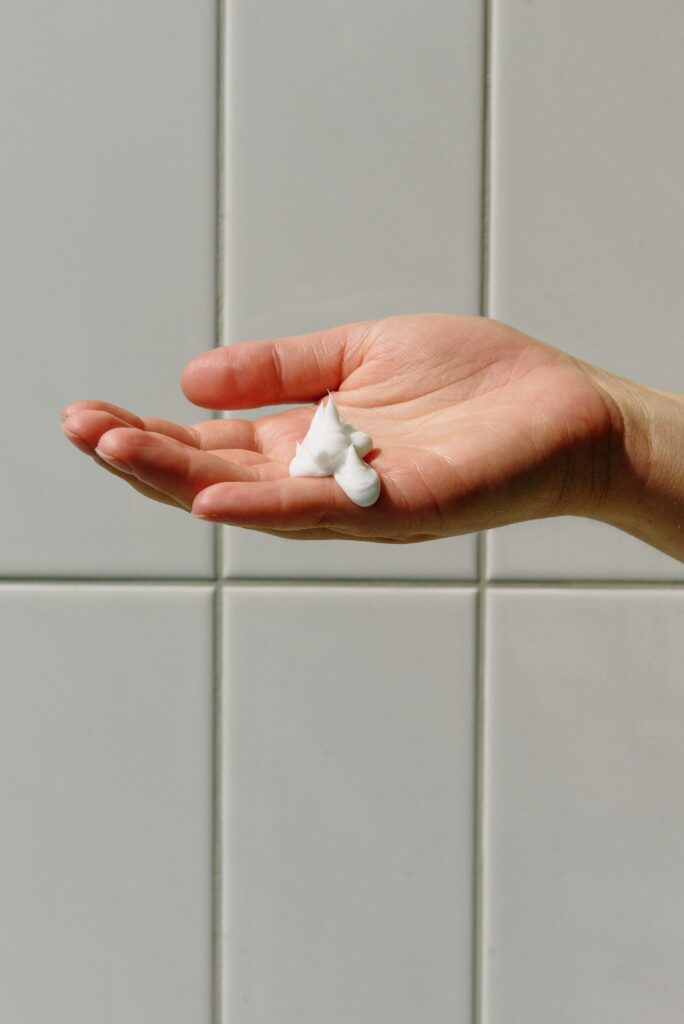
Sometimes the goal isn’t to tan at all, but to protect your skin while spending time outside. Sunscreen is the most obvious option, but it is not the only one. Wearing clothing and a hat, using an umbrella, and avoiding UV light can protect the skin from sun damage, and eating foods high in antioxidants and omega-3 fats may also help.
Combining a few of these habits gives better protection than relying on just one. Shade, timing, and clothing can do a lot more than people realize.
Natural Ways to Shield Skin From UV
Certain natural oils offer mild UV protection. Some seed oils are thought to have SPF properties when applied to skin, like sesame, coconut, and red raspberry, though most health experts recommend using them only for short periods in the sun, since they don’t offer high SPF and may not block all UV rays.
Castor oil is another natural option that some people use as part of their outdoor skincare prep.
Antioxidant-rich foods also work from the inside. Berries, green leafy vegetables, and nuts help the skin resist some of the oxidative stress caused by UV exposure, making them a useful part of any sun-protection routine.
Clothing and Lifestyle Habits That Help
Clothing is one of the most underrated forms of sun protection. Dermatologists recommend lightweight, long-sleeved shirts and pants; choose dense fabrics and dark or bright colors, paired with appropriate accessories.
Timing outdoor activities also makes a big difference. Staying indoors during peak UV hours and planning walks or outdoor time in the early morning or late afternoon significantly reduces sun exposure without any products.
Tanning in the Sun Safely
Tanning in the sun without causing damage is possible, but it takes smart choices. Even if the goal is to tan, wear sunscreen with at least SPF 30, as it helps block harmful UV rays while still allowing the skin to tan; apply it within 20 minutes of going outside.
Skin has a natural limit on how much melanin it can produce in one session. Pushing past that doesn’t create a deeper tan; it just causes damage. Staying within safe exposure times and protecting your skin properly gives better results over time. Anyone dealing with sensitive skin needs to be extra careful and always use high-SPF protection before stepping outside.
Best Time of Day to Tan Safely
Timing is one of the most important factors when tanning outdoors. According to the Environmental Protection Agency, nearly half of the day’s total UV radiation occurs during midday, making it the highest-risk time for skin damage; the best time to tan is in the morning before 10 a.m. or in the late afternoon after 4 p.m.
This window still provides enough UV exposure to develop a tan, but at a much lower risk of burning. Even during these safer hours, sunscreen and hydration are still important habits to maintain. This is especially true during summer when UV levels are at their peak.
Skincare Before and After Tanning
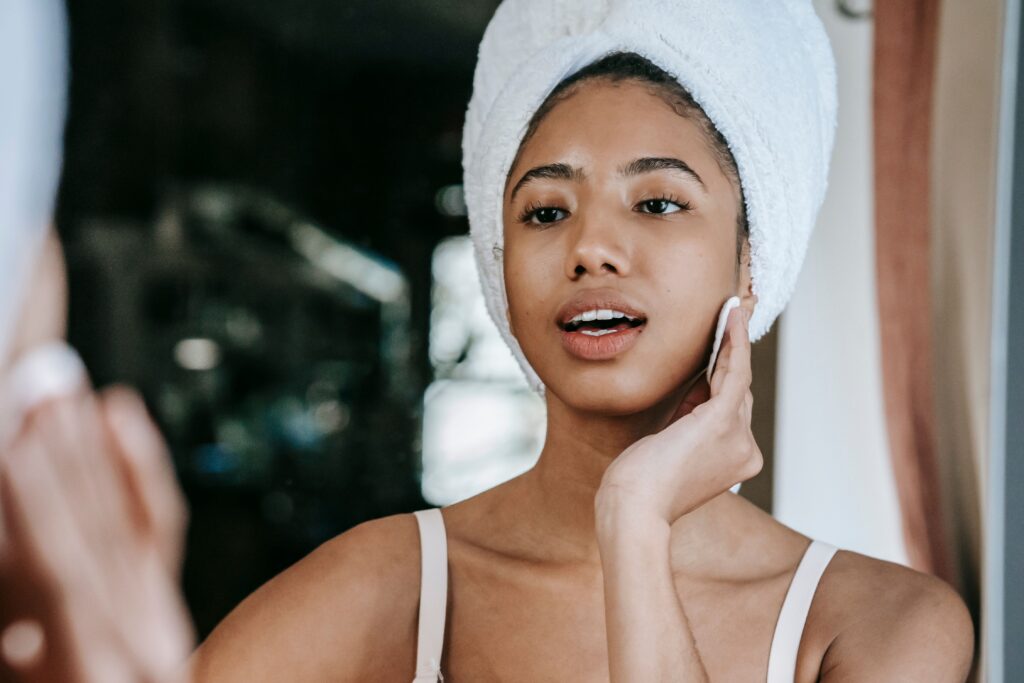
Preparing the skin before going into the sun helps the tan develop more evenly and last longer. Exfoliating before tanning helps the tan last longer, and eating foods that contain beta-carotene, such as carrots, sweet potatoes, and kale, can help you tan without burning.
After sun exposure, the skin needs care to recover properly. Continuing to moisturize daily helps maintain the health of the tan and prevents peeling; hydrated skin not only looks better but also helps prolong the tan. Aloe vera is a great post-sun option as it soothes the skin and helps preserve the color. A good post-sun cleansing routine also helps remove sweat, sunscreen, and impurities without stripping the skin.
FAQs
Can a natural diet actually help tan the skin?
Yes, it can make a small but real difference. Foods rich in beta-carotene and lycopene, like carrots, tomatoes, and sweet potatoes, give the skin a warmer tone over time. It is not a dramatic change, but it supports any other tanning method being used.
How long does a self-tan last without sun?
Most self-tanners last between five and ten days before fading. The exact duration depends on how well the skin is moisturized and how often it is washed. Reapplying every week or so keeps the color looking fresh.
Is it safe to tan in the sun every day?
No, daily sun tanning is not safe. It is not advisable to have more than one tanning session per day, as it is more effective and safer to tan gradually. Spacing out sessions and always using SPF significantly reduces long-term risk.
Does self-tanner protect the skin from UV rays?
No, it does not. The color produced by DHA is temporary and provides no sun protection, so you still need sunscreen to protect your skin from harmful UV rays. A darker self-tan does not mean the skin is shielded outdoors. For those with oily skin, choosing a lightweight, non-comedogenic sunscreen alongside self-tanner is especially important.
What is the easiest at-home method for beginners?
Gradual self-tanning lotions are the most beginner-friendly option. They build color slowly over several days, so you’re less likely to go too dark or get streaks. Applying after a shower on moisturized skin gives the best result. Those interested in other at-home skin treatments may also want to read about whether dermaplaning is good for your skin as a prep step before tanning.