
Your face looks a shade darker after a weekend outside, and now you want it gone.
That patchy, uneven color on your cheeks and forehead is annoying, especially when it shows up right before an event or makes your skin feel less like your own.
The tricky part is that not every tan-removal trick works the same way on every face. What clears up oily skin in two days can leave dry skin red and flaking.
This guide walks you through why the tan showed up in the first place, then gives you fast, targeted removal methods matched to your exact skin type, so you’re not guessing with random home remedies.
- What Causes Skin Tanning
- Difference Between Tan and Sunburn
- How to Remove Tan From Face Fast
- Best Exfoliation Methods to Remove Tan
- Ingredients That Help Fade Tan Naturally
- How Long Does It Take for Tan to Fade Naturally
- How to Prevent Tan From Coming Back
- When to See a Dermatologist for Stubborn Tan
- Why Fast Tan Removal Only Works With the Right Skin-Type Approach
- FAQS
What Causes Skin Tanning
Tanning starts the moment sunlight touches your skin.
Your skin holds special cells called melanocytes, and their job is to make melanin, the pigment that gives skin its color.
When UV rays hit these cells, they react by producing more melanin.
UVB rays reach the basal layer of the epidermis and trigger this melanin boost, a process known as melanogenesis.
This extra melanin isn’t random. It works like a shield.
The darker pigment spreads through the outer skin layer and absorbs UV radiation before it can reach deeper cells and damage their DNA.
This darkening usually becomes visible within 48 to 72 hours after sun exposure, then fades over the following weeks.
So a tan is really your skin’s defense response, not just a cosmetic side effect.
Difference Between Tan and Sunburn
Tan and sunburn come from the same sun exposure, but they look and feel completely different.
A tan shows up as an even, brownish darkening of the skin. It doesn’t hurt, and the skin underneath still feels normal to the touch.
Sunburn is red, not brown. The skin feels hot, tight, and sore, and in stronger cases it can blister or peel within a few days.
Timing sets them apart too. Sunburn shows up fast, often within a few hours of exposure, while a tan builds gradually and stays visible for days or weeks after.
Touch is another clue. Sunburned skin often feels warm and tender, almost like a mild fever under the surface, while tanned skin feels the same as untouched skin.
If your skin stings when you press it, that’s sunburn. If it’s just darker with no pain, that’s a tan.
How to Remove Tan From Face Fast
The fastest way to lighten a facial tan combines three things at once: gentle exfoliation, brightening actives, and daily sun protection.
Exfoliation clears away the dead, pigmented skin cells sitting on the surface, which is what speeds up fading more than anything else.
Alongside that, ingredients like vitamin C and niacinamide work on melanin production itself.
Vitamin C slows down tyrosinase, the enzyme your skin uses to build melanin, which helps brighten dark patches with steady use over several weeks.
Niacinamide takes a different route, slowing the transfer of melanin to the surface layers of skin so less pigment shows up there in the first place.
None of this works well without sunscreen, though. Any progress you make gets undone the moment you step back into unprotected sun.
The exact routine you follow depends heavily on your skin type, since oily, dry, and combination skin all react differently to exfoliating acids and brightening actives. That breakdown comes next.
Oily Skin
Oily and acne-prone skin can usually handle stronger actives without much irritation.
A salicylic acid cleanser used daily helps clear pores while gently lifting tanned surface cells.
Follow with a niacinamide serum, since it controls oil and fades pigment without clogging pores.
Two to three nights a week, add a glycolic acid toner to speed up cell turnover on tanned patches.
Skip heavy, oil-based creams. A light, gel-based moisturizer keeps skin balanced without adding shine or trapping bacteria.
Dry or Sensitive Skin
Dry and sensitive skin needs a gentler hand, since harsh acids can leave it red, tight, or flaky.
Start with a cream cleanser that doesn’t strip natural oils, followed by a hydrating serum containing hyaluronic acid.
For brightening, choose a low-strength vitamin C or a soothing niacinamide formula rather than anything with high acid content.
Exfoliate just once a week using a mild lactic acid product, since lactic acid is gentler than glycolic acid and also draws in moisture.
Always follow with a rich moisturizer, since hydrated skin fades tan more evenly than skin left dry and irritated.
Normal or Combination Skin
Normal and combination skin can handle a bit more variety without tipping into irritation.
Use a gentle foaming cleanser, then a vitamin C serum in the morning to target pigment while you still have some sun exposure ahead.
At night, alternate between a niacinamide serum and a mild exfoliating toner, giving skin a rest night in between.
Twice a week, use a chemical exfoliant with a light concentration of glycolic or lactic acid to clear buildup on the T-zone and cheeks evenly.
Moisturize with a lightweight lotion, since combination skin does better with something that hydrates cheeks without over-oiling the forehead and nose.
Best Exfoliation Methods to Remove Tan
Exfoliation speeds up tan fading because it physically clears away the pigmented cells sitting on your skin’s surface.
There are two main routes: physical and chemical, and they work in different ways.
Physical exfoliation uses texture to scrub cells away. Think of a soft konjac sponge, a fine-grain sugar scrub, or a gentle facial brush.
These tools work fast but need a light touch, since scrubbing too hard can cause micro-tears and actually worsen dark patches over time.
Chemical exfoliation uses acids instead of texture. Glycolic acid dissolves the bonds holding dead cells together, lactic acid does the same more gently, and salicylic acid works deeper into oily pores.
- Physical scrubs: best for oily skin, use twice a week
- Lactic acid: gentlest chemical option, suits dry or sensitive skin.
- Glycolic acid: strongest fading effect, best for oily or normal skin
- Salicylic acid: ideal if tanning overlaps with clogged pores
- Enzyme exfoliants (papaya, pumpkin): mild option for reactive skin
Whichever method you pick, exfoliating more than three times a week almost always backfires, leaving skin raw and more prone to fresh pigmentation.
Ingredients That Help Fade Tan Naturally
A handful of natural ingredients have real backing for fading tan and evening out skin tone.
Aloe vera calms inflamed skin while its natural compounds support gradual pigment fading, making it a solid pick for anyone dealing with sun-irritated skin alongside the tan itself.
Turmeric contains curcumin, long used in traditional skincare for its brightening effect on dull, uneven skin.
Licorice root extract is another natural option, valued in brightening routines for its calming and pigment-fading properties.
Green tea extract brings antioxidants that help protect skin from further UV damage while it fades.
Niacinamide, though lab-made rather than plant-derived, pairs well with all of these since it slows how much pigment reaches the skin’s surface layer.
- Aloe vera: soothes and supports gradual fading
- Turmeric: natural brightening compound, curcumin
- Licorice root: calms skin while fading pigment
- Green tea extract: antioxidant protection during fading
- Tomato pulp: mild natural lightening, rich in lycopene
How Long Does It Take for Tan to Fade Naturally
Left completely alone, a tan follows your skin’s own renewal clock.
A lighter tan usually starts fading noticeably within one to two weeks, while a deep, well-developed tan can take closer to four weeks to disappear fully.
This timeline lines up with how your skin naturally sheds itself.
Since melanocytes stop pumping out extra pigment once UV exposure ends, new skin cells form without that dark coloring, and the tan fades as the older pigmented cells are shed from the surface.
On average, the outer skin layer fully replaces itself roughly every 28 days, though this speed varies by body area and by person.
Add in consistent exfoliation and brightening actives, and that window shortens noticeably, often cutting the fading time by half or more.
How to Prevent Tan From Coming Back
Keeping a tan from returning comes down to a few daily habits, not a one-time fix.
Sunscreen matters more than anything else here. Apply a broad-spectrum SPF every morning, rain or shine, and reapply if you’re outside for several hours.
Wide-brim hats and sunglasses add a physical layer of defense, especially during midday hours when UV rays hit hardest.
Avoid direct sun exposure between late morning and mid-afternoon, since this window carries the strongest UV intensity of the day.
Keep skin barrier support in your routine too. A weakened barrier tans and pigments faster, so don’t skip moisturizer just because you’re focused on brightening.
Reapply sunscreen after washing your face or sweating heavily, since both can wear away your protection faster than expected.
When to See a Dermatologist for Stubborn Tan
Most tans fade on their own with time and the right care, but a few signs mean it’s worth booking a dermatologist visit.
If a dark patch hasn’t faded at all after six to eight weeks of consistent care, that’s no longer a normal tan pattern.
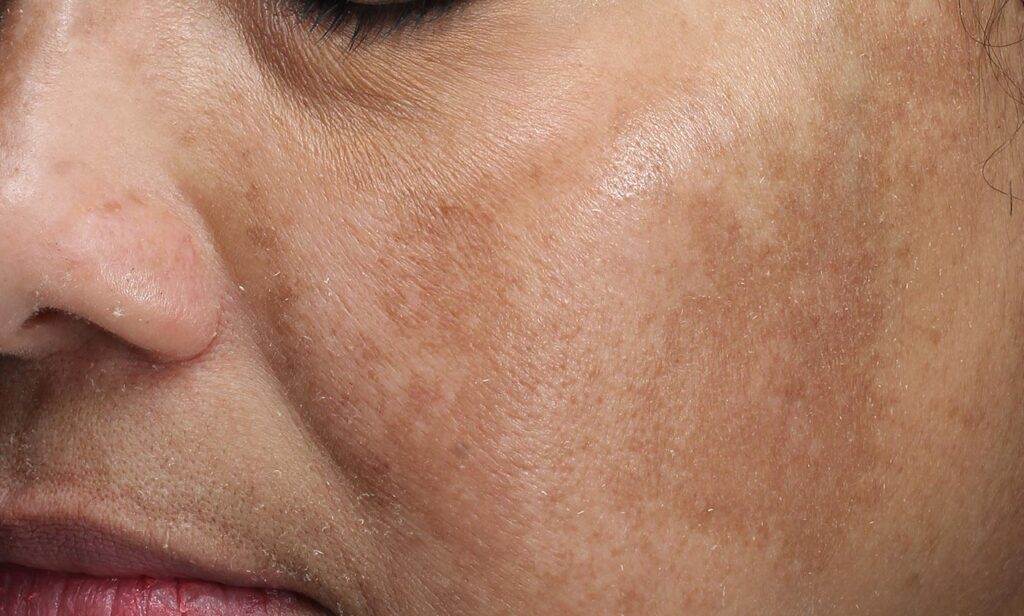
Uneven, blotchy patches that seem to spread or deepen instead of fading may point to melasma rather than simple sun tanning.
Any patch that changes shape, develops an irregular border, or starts itching or bleeding needs medical attention right away, since these can be warning signs unrelated to tanning at all.
A dermatologist can also prescribe stronger options, like hydroquinone or tretinoin, when over-the-counter products aren’t cutting it.
Why Fast Tan Removal Only Works With the Right Skin-Type Approach
Speed and safety in tan removal both come down to the same thing: matching your routine to your actual skin type.
Oily skin can handle stronger acids and more frequent exfoliation, while dry and sensitive skin needs gentler ingredients and fewer active nights each week.
Skip that matching step, and you either irritate your skin or barely touch the tan at all.
Pair the right routine with daily sunscreen, and you get both a faster fade and a lower chance of the tan simply coming right back.
FAQS
Does lemon juice help remove tan from face?
Lemon juice can lighten pigment slightly, but its acidity often irritates skin and increases sun sensitivity. Gentler options like vitamin C or niacinamide give safer results without the risk.
Can I exfoliate and use vitamin C on the same day?
Yes, but apply exfoliation first, then follow with vitamin C once skin has calmed down. Doing both back-to-back without a gap can cause irritation, especially on dry or sensitive skin.
Will tan go away completely without any treatment?
Yes, a tan fades naturally as skin renews itself over two to four weeks. Adding exfoliation and brightening actives simply speeds up that natural process.
Is it normal for tan to look patchy while fading?
Yes, since skin cells shed unevenly across the face, some areas lighten faster than others. This patchiness usually evens out within a week or two as the whole area sheds.
Can makeup be worn while treating a tan?
Yes, makeup won’t interfere with fading, but choose non-comedogenic formulas since actives like acids can make skin more reactive to heavy products. Always remove it fully before applying treatment products.
Does drinking more water help fade a tan faster? Hydration supports overall skin health and barrier function, but it doesn’t directly reduce melanin. Topical actives and sun protection make the real difference in fading speed.