
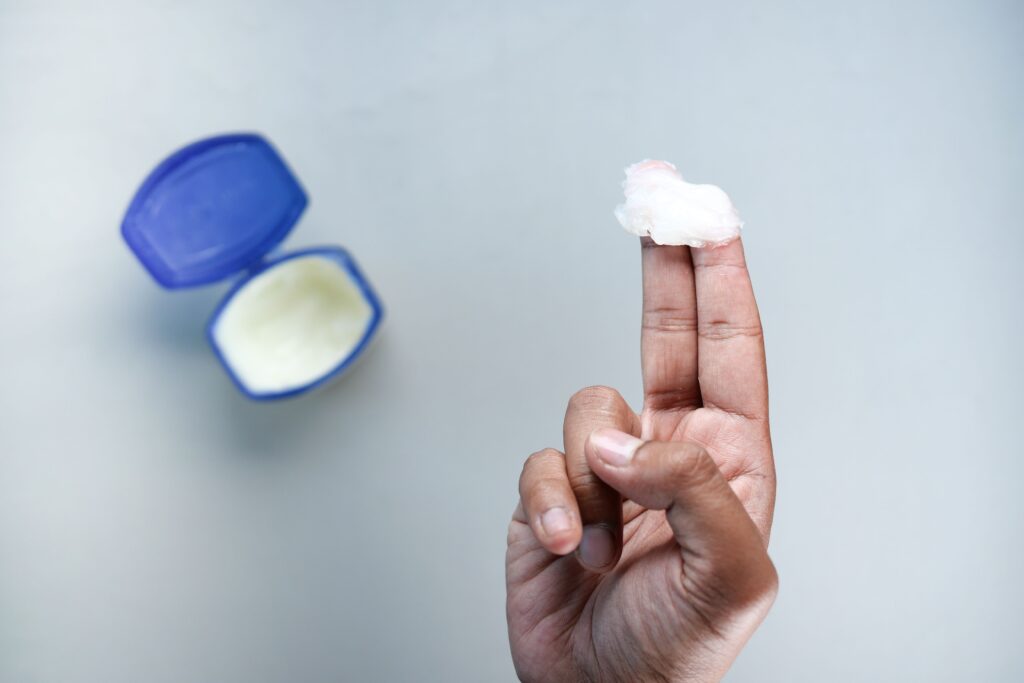
Have you ever felt your hands get so dry that everything you touch feels like your skin is being pulled? Since your skin type is dry, maybe you’ve tried some hand cream, or even looked at the Vaseline container at home and wondered, “Can this really fix my dry hands?
Vaseline forms a protective layer on the skin that helps lock in moisture. When moisture is prevented from escaping, hands gradually feel softer and smoother. So it forms a protective layer over the skin, which helps lock in moisture.
In this content, we are discussing “Is valine good for dry hands?” A review of the benefits and limitations of using Vaseline (petroleum jelly) for treating dry hands indicates that it is a highly effective protective and moisturizing agent.
It is an occlusive ointment that forms a layer of fat on the skin, preventing water from escaping and retaining moisture. The use of Vaseline helps speed the healing of dry, itchy, or cracked skin by keeping the skin moist and preventing chafing.
Its use is also documented in official dermatology guidelines and clinical studies, and the American Academy of Dermatology recommends applying Vaseline to dry skin, especially on areas with very thin skin (eyelids, lips, etc.).
However, there are also limitations to using Vaseline: if the skin is oily or acne-prone, excess oil can aggravate acne. If you are using Vaseline for your dry hands, you need to know everything from its benefits to its limitations.
Benefits Of Vaseline For Dry Hands
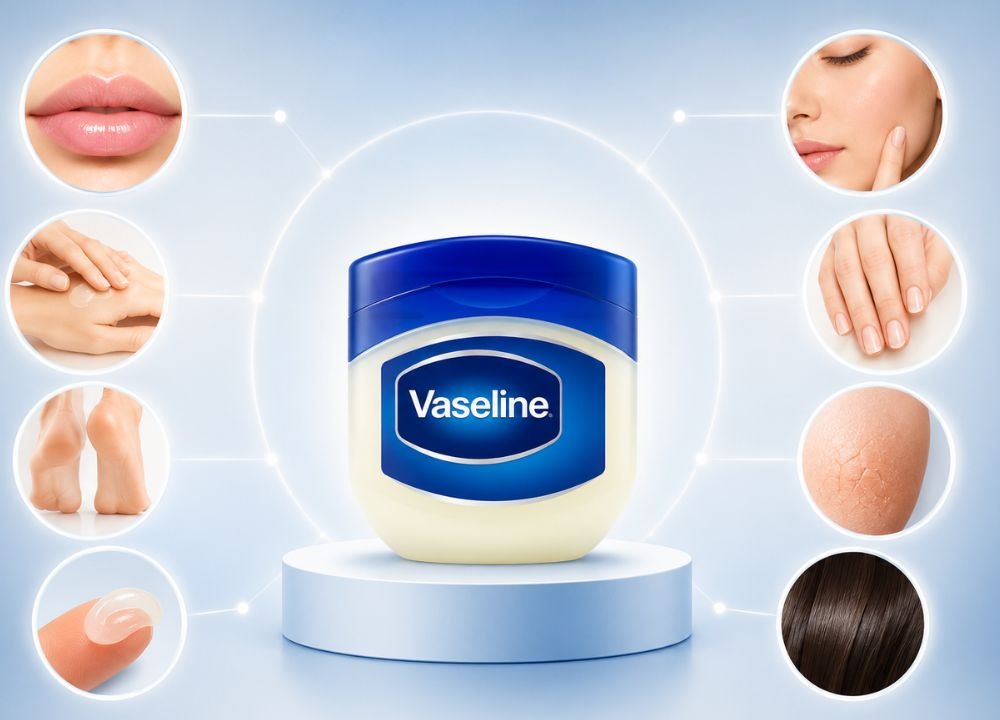
Improves skin barrier
Vaseline forms a neutral lipid film that quickly seals out moisture. Research shows that Vaseline reduces transepidermal water loss (TEWL) by up to 98%, making it a very powerful moisturizer.
This helps dry, itchy skin heal faster and accelerates cut healing. Since Vaseline is extremely neutral, it is safe to use even on thin or sensitive skin (such as the eyelids and lips).
Protects and speeds up wound healing:
Vaseline prevents wounds from drying out and keeps them moist by covering them with ointment. It increases tissue formation and blood flow to the wound, which helps wounds heal faster. It also prevents scab formation, as dry scabs delay healing.
A clinical trial found that applying an antibiotic ointment (such as Bastracin) to a clean wound after surgical procedures did not provide any benefit over Vaseline.
In contrast, Bastracin can cause itching or allergic reactions in some patients, whereas Vaseline has been reported to be safe in many studies.
In fact, there were 4 cases of allergic reactions among Bastracin users, compared to 0 among Vaseline users (1 case per 1,000 patients, 0.011%).
Quick treatment for dry and chapped skin:
- Vaseline forms a protective barrier over wounds or chapped areas, preventing further cracking or bleeding.
- According to the American Academy of Dermatology guidelines, dry skin should be kept moist at all times, especially after bathing when the skin is still damp, which is when Vaseline can be beneficial.
- This moisturizing treatment will keep dry, cracked palms or fingers soft until morning.
Softening of nails and skin on hands:
Massaging Vaseline into the nails and surrounding skin reduces the risk of nail breakage and quickly increases elasticity. Applying Vaseline to rough skin (such as the palms or the heels) softens it. Vaseline works best on cracked heels (soak in warm water for a few minutes, then apply Vaseline and wear socks).
Limitations And Risks Of Vaseline You Need To Know
- The biggest downside to using Vaseline is that it only provides a barrier, not internal skin repair or nutrients. Some people may be allergic to Vaseline or its ingredients, although this is very rare.
- Recent research has shown that the components of petroleum jelly (PAHs) may be somewhat dangerous, but Vaseline is usually made by refining it to make it safe.
- A major concern is bacterial contamination: if Vaseline is applied to dirty or infected skin, or if water or dirt gets into the container, fungus or bacteria can grow on the skin.
- This is why it is important to thoroughly clean and dry the wound before applying Vaseline. If there is a deep wound, infection, or inflammation in the skin, consult a doctor before applying Vaseline.
- Petroleum jelly is generally not suitable for acne-prone skin as it can clog pores. For hygiene reasons, make sure your hands are clean before and after use, and avoid putting your fingers in the cream container.
How To Use Vaseline For Dry Hands? 3 Easy Methods
Wash Your Hands Properly
Always wash your hands thoroughly with soap or a cleanser before applying Vaseline, then dry them. Applying hand sanitizer reduces the risk of germs getting stuck.
If the skin on your hands is rough and cracked, soak them in warm water for a few minutes, rub them gently, and then apply Vaseline.
Slugging or overnight Treatment
Slug: In this method, you have to apply Vaseline in a very thick layer to clean your hands. Since Vaseline is safe even for thin skin (around the eyes), we especially cover the dry areas of the hands.
After applying Vaseline, wear a towel or cloth gloves so the bed stays clean and the Vaseline stays on your hands. Then sleep comfortably.
Wake up in the morning and wash your hands with warm water and mild soap. This type of treatment is especially useful in winter or on dry days, as Vaseline locks moisture in the skin and prevents wrinkles and itching.
Overnight treatment: This is also similar to slugging; the only difference is the terminology. All matters should be clear before treatment. After applying Vaseline, if you sleep wearing light clothes, your hands will remain moisturized overnight.
There is no specific duration. If your skin feels dry, apply it. Wake up in the morning, take off the gloves, and wash your hands. Usually, the skin starts to feel softer after a few nights of use.
Reapply as needed: Vaseline can be applied during the day, especially after washing your hands and before going outside. Apply a small amount of Vaseline and wear gloves.
If your skin feels dry after washing your hands, reapply frequently for a quick moisture boost. Be sure to keep your skin slightly damp before applying Vaseline (for example, right after a shower or after washing your hands with water), as applying it to damp skin helps lock in moisture better.
If you feel very dry throughout the day, you can reapply it in the afternoon and at night before bed. But don’t overdo it; you shouldn’t apply it every two hours every day unless you’re told to do so by a doctor or pharmacist.
Special Care And Tips
- If you have oily or acne-prone skin, avoid slathering on Vaseline altogether. Grease can further clog pores. Never apply Vaseline to dirty skin or deep wounds. It can internalize the infection. Clean the wound first, then apply it.
- Consult a doctor if your hands are cracked and bleeding, or if there is a cut or severe irritation on your hands.
- When applying Vaseline at night, place a towel on your pillow or wear gloves to avoid getting it on your bed.
- Vaseline is very slippery, so avoid wearing tight clothing, or it may stick to your clothes or sheets.
Is Vaseline Good For Overnight Use?
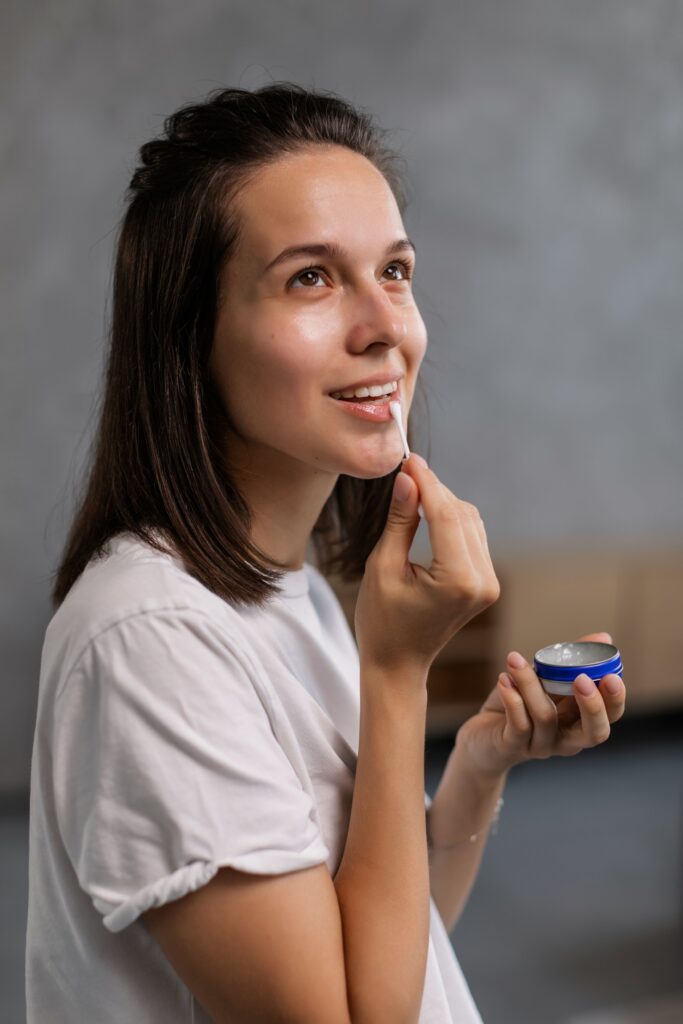
Yes. Applying Vaseline overnight locks in moisture for dry hands and helps the skin heal itself. Vaseline creates a water-repellent protective layer that keeps the skin hydrated and allows the skin to heal itself.
Applying Vaseline overnight improves the damaged skin barrier, reduces itching and irritation, and makes the skin more elastic. However, in dry weather or conditions (such as indoor heating in the winter), an overnight Vaseline treatment is especially beneficial.
However, to be safe, remember that Vaseline is officially for external use only. Before applying it to any wound, clean and disinfect it thoroughly.
If your hands are already sore from scratching or there is a risk of infection, show them to your doctor before applying Vaseline. Be careful with hygiene because dirt or clothing can get on Vaseline. Additionally, if your skin problem (dryness, itching, etc.) doesn’t improve within a few days, see your doctor.
Alternatives To Vaseline And Ingredients To Use In Combination
| Ingredient (Product) | Type (Mechanism) | Benefits (Pros) | Drawbacks (Cons) |
| Vaseline (Petroleum Jelly) | Occlusive | Locks in up to 98% of moisture, relieves itching, protects wounds, affordable and widely available | Greasy texture, not ideal for acne-prone facial skin, does not nourish the skin |
| Glycerin | Humectant | Draws moisture into the skin, improves softness, supports skin healing | Can feel sticky in high amounts, works best when moisture is available |
| Lanolin | Emollient | Deeply moisturizes, softens dry and rough skin | Common allergen, may cause redness or itching in sensitive skin |
| Urea | Humectant / Keratolytic | Hydrates the skin, softens rough patches, effective for dry and cracked skin (up to 10%) | Higher concentrations may cause stinging or irritation, 20%+ can exfoliate, may be more expensive |
| Ceramide Creams | Barrier Lipid Moisturizer | Strengthens the skin barrier, prevents moisture loss, highly effective for atopic eczema | Can be more expensive than basic moisturizers |
| Mineral Oil | Occlusive | Helps prevent moisture loss, inexpensive, softens the skin | Slightly less effective than petroleum jelly at reducing transepidermal water loss (TEWL), may clog pores in some people |
| Coconut Oil | Emollient | Moisturizes the skin, contains antimicrobial properties, leaves skin soft | May clog pores and trigger acne in some people |
Glycerin: A powerful humectant. It draws moisture into the skin, speeds healing, and reduces itching. Many lotions and creams contain glycerin to help retain water in the skin.
Lanolin: Also a neutral oil that binds moisture and deeply softens the skin. However, lanolin can cause contact dermatitis in some people. Avoid lanolin if you have a history of allergies or have damaged skin.
Urea: This also draws moisture and provides hydration at concentrations up to 10%. At 20% or higher, urea is a bit harsh and softens and removes dead skin cells (keratolytic effect).
Because they are beneficial for dry and rough skin (eczema, cracked heels, etc.), hand creams are usually formulated with 5–10% urea. Its irritation is easily controlled, but overuse can irritate.
Ceramide creams: Many creams on the market (such as CeraVe) contain ceramides (fatty components of the skin barrier). They are especially useful for dry and sensitive skin because they strengthen the skin’s natural protective layer. Ceramides help the skin lock in and restore moisture, and the risk of allergies is usually reduced.
Mineral oil: Like Vaseline, mineral oil is also a barrier oil. It works like Vaseline in attracting moisture, but it is usually a little less thick. It keeps the skin smooth, but it does not block TEWL as much as Vaseline. Otherwise, it is safe and less sensitive.
Coconut oil: This natural oil softens the skin and contains anti-inflammatory properties. Many people like it, but it can trigger acne due to its oily nature. So if you have acne or oily hands, avoid coconut oil.
The table above shows that each moisturizer has its own properties compared to Vaseline. For example, glycerin draws in moisture, urea removes dead skin cells, and lanolin and petroleum jelly prevent dryness. For sensitive skin, products with ceramides or mineral oil are generally better, while for oily or very dry skin, Vaseline or urea are more helpful.
Other Practical Tips And Doctor Consultation
Do not use weak soaps or harsh detergents. Avoid washing hands with very hot water. Use sunscreen or gloves if the sun or cold is directly affecting the palms.
Always apply moisturizers or creams to protect against external factors (heat, cold, sun). Wear gloves during the day if possible, especially if working with chemicals or in cold weather.
Include healthy fats (e.g., fish oil, walnuts) in the diet, as some foods improve skin moisture.
CONSULT YOUR DOCTOR. If the dryness of the hands does not improve after a week or two of effort, or if there is pain, severe itching, swelling, or pus (pus) is observed, see a doctor immediately.
If the wounds continue to open, the swelling increases, or the itching disturbs your sleep, consult a doctor.
Dry hands can also be aggravated by certain conditions (such as eczema or psoriasis), so if general treatment is not making a difference, it is best to consult a dermatologist.