

Oil cleansing is becoming increasingly popular for removing blackheads (open comedones).
This report provides a critical review of the mechanisms of oil cleansing, the available research evidence, and popular oil cleansing products. The basic principle of oil cleansing is “like dissolves like,” meaning that the oil removes the pore-clogging components (semen, dirt, and oil).
There is limited clinical research to date: some studies have reported a reduction in comedones with formulas containing tea tree oil or other essential oils, but there is no clear evidence of the effectiveness of cleansing with pure oil.
Reports suggest that with the right oil and application method, the pore-clogging particles are softened and come out. The ideal cleansing oil contains non-comedogenic ingredients (which do not clog pores, unlike whole milk) and is balanced for your skin type.
The results of this method are immediate, leaving the skin smooth and hydrated, with noticeable improvements in oil production and comedones within 1–2 weeks.
This method is safe when used nightly and with proper emulsification, but if you have sensitive skin or are allergic to any oil, you should consult a doctor.
Blackheads are formed by the accumulation of oil and dead skin cells in the follicles of open pores. When the pores are blocked, the hole inside remains white (whitehead), but the dirt in the open pore oxidizes and appears black.
The main reason for this is excessive sebum production and the accumulation of dead skin cells. According to DermaNet, open comedones (blackheads) do not produce much dirt and oil, but a black substance.
Oil cleansing is based on the traditional idea that special oils are applied to the face to dissolve facial oils and other impurities, drawing them out of the pores.
Does oil cleansing help with blackheads
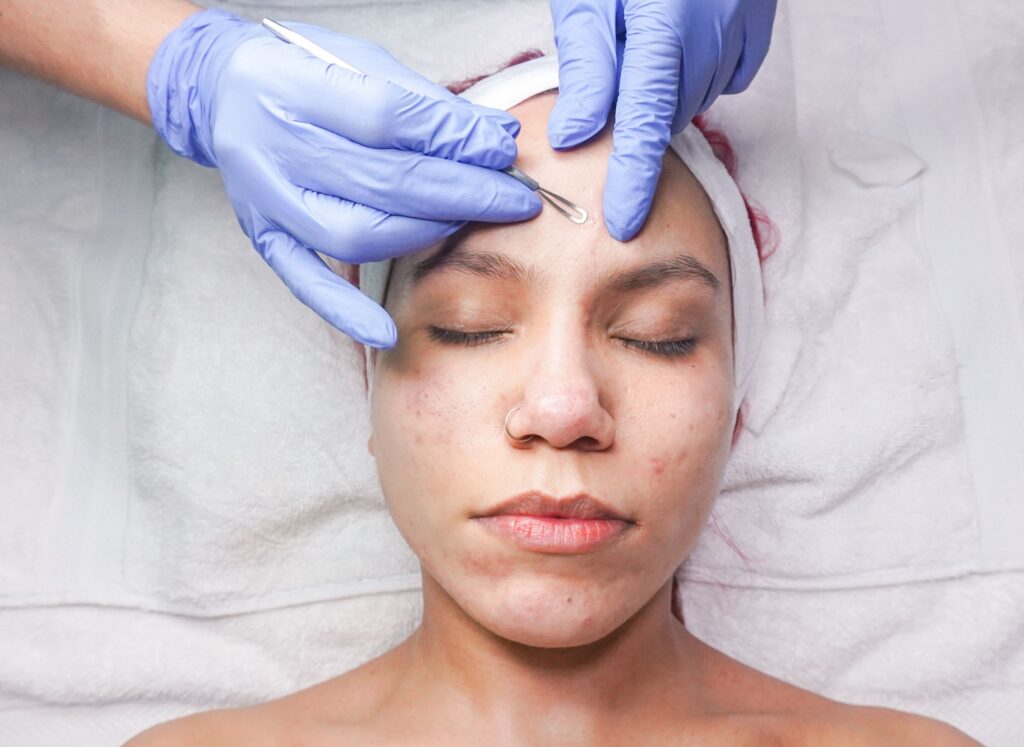
The clinical evidence for oil cleansing is limited. A recent systematic review found no conclusive evidence of benefits from pure oil cleansing. However, some of the oil-based cleansers studied (such as tea tree oil nanoemulsion) showed a reduction in comedones in the Acurite condition.
According to experts, the direct reduction in blackheads from oil cleansing depends on the formula and ingredients.
Many dermatologists recommend that oil cleansers be non-comedogenic to avoid clogging pores. Oil cleansing has also been touted as a bargain in nutrition and personal stories, but it depends on the selected ingredients and proper use.
According to Sehatline, oil cleansing draws out excess sebum and dirt using the principle of “like dissolves like,” while the popular website Allure has described Man: yo Oil Cleanser as specifically working on blackheads.
Overall, oil cleansing may soften fleas and remove harmful substances, but existing scientific research has not fully demonstrated its effectiveness.
How does oil cleansing remove blackheads?
The basic mechanism of oil cleansing is that oil binds to sebum and dirt accumulated in the pores, removing them (like dissolves like).
When you apply oil to dry skin and massage gently, the oil softens and dissolves the hard material (plug) in the pore. Proponents of oil cleansing say that after massaging for one to two minutes, the dirt and oil in the pores will start to come out.
Then, pouring water over the oil and continuing to massage will burn the oil, turning it milky. During this emulsification, the oil changes color, softens, and can be easily rinsed away, capturing dirt inside.
As a result, the oil also softens open comedones (blackheads) and removes the oil and dead skin cells they absorb from the skin. This process prevents the skin from losing moisture, unlike regular cleansers that wash it away with water, and instead keeps it soft and hydrated.
What is the best cleansing oil for blackheads?
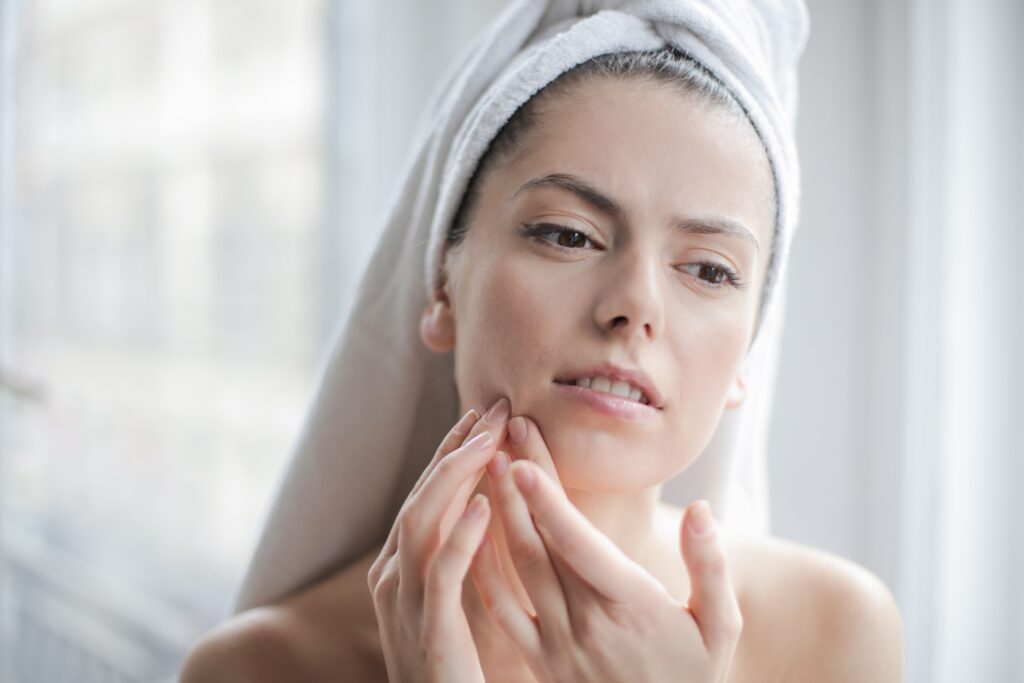
The best cleansing oil for blackheads is non-comedogenic (low-comedogenic) and has antioxidant and anti-inflammatory properties.
For example, mineral oil is generally not considered comedogenic, so it is used as a key ingredient in cleansers from major companies.
Jojoba oil (which is very similar to human sebum) is also considered non-comedogenic and has anti-inflammatory properties.
In contrast, coconut oil has a comedogenic rating of about 4, so people with acne-prone skin should avoid it. Sunflower oil has a comedogenic rating of 0-2. It has anti-inflammatory effects due to its linoleic acid and vitamin E.
Grapeseed oil is also non-comedogenic (rating 1) and can improve acne due to its high linoleic acid content. Castor oil has a comedogenic index of 1, meaning it is unlikely to clog pores.
Oils containing flavonoids, vitamin E, or antibacterial compounds (e.g., jojoba, sunflower, grapeseed) may be effective for treating blackheads.
Examples of popular products
Man: Yo Pure Cleansing Oil: Enriched with 14 plant oils, including argan and jojoba, it is said to soften dark spots specifically.
DHC Deep Cleansing Oil: The main ingredient is olive oil, which is considered non-comedogenic. It is suitable for all skin types and does not clog pores.
Clinique Take The Day Off Cleansing Oil: Contains mineral oil and botanical cleansing compounds, safe for all skin types, especially acne-prone skin (non-comedogenic according to the brand).
KleanBeauty Oil-to-Milk Cleanser: A Pakistani brand (Khel Beauty); made with sunflower and grape seed oils combined with Centella and vitamin E. Said to be non-comedogenic and suitable for acne
ANUA Heartleaf Pore Control Cleansing Oil: Contains sunflower, olive, barley, grape seed oils, along with guava and hituwada extracts. Effective in unclogging pores with purified hydrolyzed trichroic acid (PHA).
Hanskin PHA Pore Cleansing Oil: Contains PHA (a mild type of AHA) that removes blemishes and blackheads by sloughing off dead cells.
Banila Co Clean It Zero (Original): A gel-like cleanser with a gel-like consistency, the main ingredient of which is mineral oil, so it is non-comedogenic. It cleanses by dissolving makeup and oil.
Tatcha Pure One Step Camellia Cleansing Oil: An oil extracted from the camellia nut, it has a medium comedogenic rating (around 3), but is popular with sensitive skin (the gastrointestinal tract).
In any case, choosing the best cleansing oil depends on your skin type and sensitivity. Look for products labeled non-comedogenic, with skin-balancing ingredients (e.g., vitamin E, centella, hyaluronic acid), and pure/unscented formulas.
What to look for in a gentle oil cleanser for blackheads
When buying an oil cleanser, keep the following in mind:
Non-comedogenic ingredients: The ideal oil cleanser should contain oils that don’t clog pores, such as mineral oil, jojoba oil, and grapeseed oil (rating 0-1).
Mild pH and gentle formula: Free from harsh soaps or alcohol. Medical experts recommend using gentle formulas free of artificial fragrances or sulfates for acne-prone skin.
Full information: Check the ingredients on the label. For example, prefer Castor Oil (comedo 1) and Sunflower Oil (0-2), while avoiding oils with astringent properties, such as Coconut Oil (4) or Almond Oil (2).
Helpful Ingredients: It is better if it contains linoleic acid or antioxidants. For example, sunflower and grape seed oils have anti-inflammatory properties. Jojoba oil is similar to the skin’s natural oils and has anti-inflammatory properties.
Formulation: Some cleansers also contain a small amount of surfactant to help emulsify the oil well. But it should be light in volume.
Moderation and Instructions: It is recommended to do oil cleansing daily (once) at night. Do not do it too often or in large quantities several times a day; the skin may become dry, or acne may develop.
The selected oil cleanser formulation includes additional soothing ingredients such as centella (coriander) extract, vitamin E, or hyaluronic acid to enhance skin protection.
How to oil cleanse to remove blackheads
The oil cleaning procedure is as follows:
Dry your face and take 1–2 pumps of oil in your hand. (If making your own oil, start by mixing 1 teaspoon of jojoba oil + 1 teaspoon of castor oil.)
Apply oil and massage: Apply oil to dry skin, then massage gently in circular motions with your fingertips. Pay special attention to the nose and chin, where blackheads are present. Massage for about 1–2 minutes so that the oil can be absorbed into the clogged pores and soften them.
Emulsify: Slowly add water to the face while continuing to massage. The oil will mix with the water and become a white milky consistency. This process loosens the clogged oil and dirt.
Wash your face: Wash your face thoroughly with water. (If there is a lot of makeup, after the oil is removed, cleanse again with a light foaming cleanser so that no oil remains.)
Moisturize: Pat your face dry and apply a light moisturizer. After cleansing with oil, your skin will feel soft, smooth, and radiant.
In general, it is recommended to oil cleanse once a day at night. If the skin is dry or oily, do it once every two days at first, then increase as needed. Be sure to do a patch test before use: apply a small amount of oil under the lip and test for 24 hours to ensure no irritation or allergy occurs. If there is severe pollution or heavy makeup, you should wash again with a gentle wash cleanser after oil cleansing.
Does oil cleansing cause blackheads
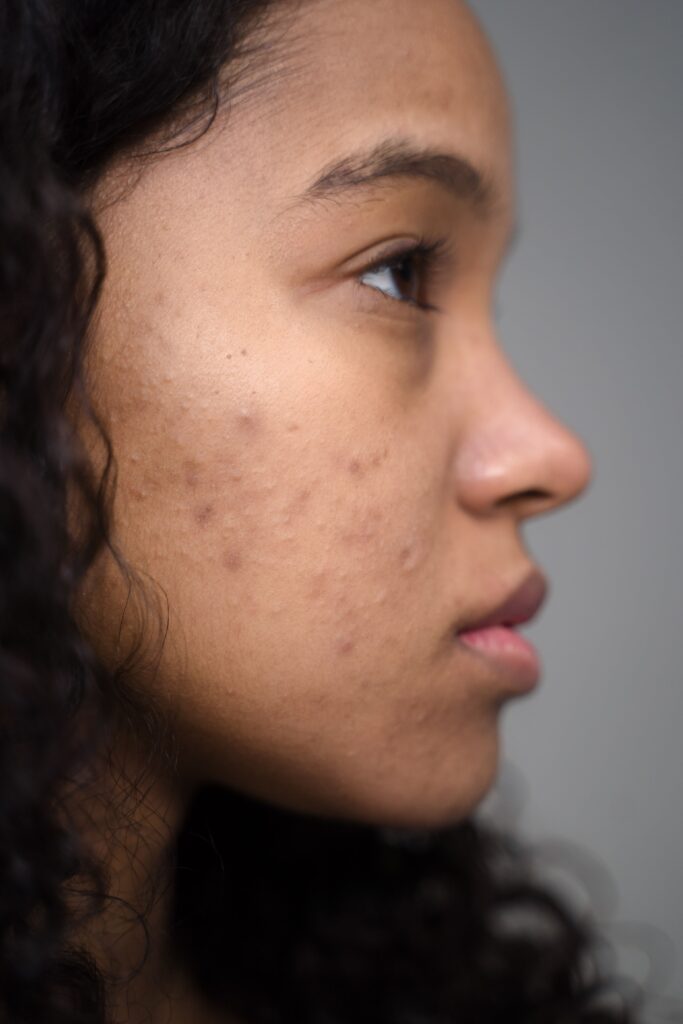
Oil cleansing itself doesn’t cause blackheads if it’s the right kind of oil. Blackheads are actually caused by the skin’s own oil (sebum) and dead skin cells getting trapped in the pores.
Non-comedogenic oils (like mineral or jojoba) don’t clog pores. Dr. Yannis says that non-comedogenic cleansing oil draws out impurities and balances oil production.
However, if the oil isn’t washed off properly or you apply too much, the residue left in the pores can clog them. So, be sure to rinse your face thoroughly with water after use, then gently rewash as needed. As a result, when used correctly, oil cleansing usually clears pores and doesn’t make them any dirtier.
References: This report is based on information from medical journals, dermatologists‘ guidelines, and other authoritative sources. We have used references from national and international scientific publications, as well as Healthline and dermatology blogs, to provide comprehensive information on oil cleansing and blackheads.
Images and figures include the Mermeid flowchart and the comedogenic rating chart to provide a clear comparison of the cleansing steps and the oils’ properties.
FAQ’S
Does oil cleansing cause blackheads?
No, using the right cleansing oil usually does not cause blackheads. Using the wrong or pore-clogging oils can cause problems for some people.
Can oil cleansing remove blackheads?
Yes, it helps soften blackheads and gradually reduce them, but it does not eliminate them immediately or completely.
Is oil cleansing good for oily skin?
Yes, the right oil cleanser can help balance excess sebum without overly drying out the skin.
How often should I oil cleanse for blackheads?
For most people, oil cleansing once daily, preferably at night, is sufficient.
What is the best oil for blackheads?
Non-comedogenic oils such as jojoba, squalene, and grapeseed oil are considered better for skin prone to blackheads.
Should I use a face wash after oil cleansing?
Yes, for double cleansing, it is best to use a mild water-based face wash after oil cleansing.