
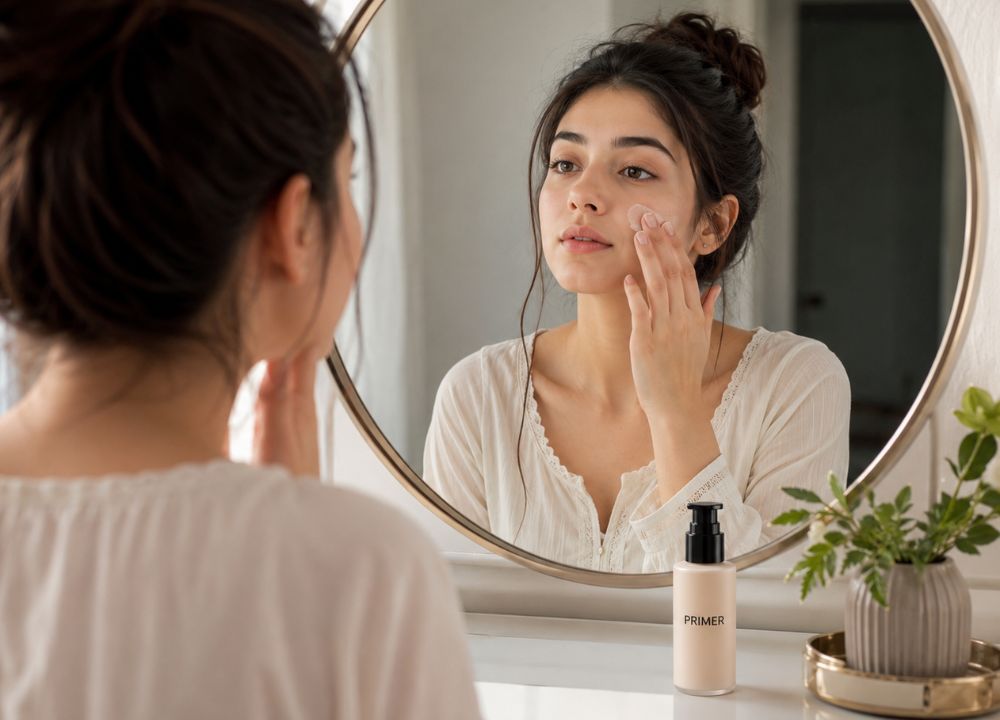
Makeup primer feels like a basic step. You put it on, your foundation looks smooth, and you move on. But what if that small step is slowly hurting your skin?
Many people notice small breakouts, dry patches, or redness after using primer regularly. They blame their foundation, their cleanser, or even stress. The real problem, though, is often sitting right in that little primer tube.
The thing is, if you keep using a primer that doesn’t suit your skin, the damage builds up slowly. You might not see it in a week, but over months, your pores get clogged, your skin gets irritated, and your natural texture starts to change. A study found that over 60% of makeup bases and primers tested contained fragrance or fragrance allergens, which can cause allergy risks for many users.
This doesn’t mean all primers are bad. It means the wrong primer for your skin type is the problem. Once you know what to look for and what to avoid, you can make a much smarter choice.
This article breaks it all down simply. First, learn how to spot signs of damage. Next, discover how to choose better options. Finally, see how you can make your own primer at home. You will find everything you need here.
- What Is a Makeup Primer and How Does It Work?
- Why Some Makeup Primers Can Be Bad for Your Skin?
- How to Tell If Your Primer Is Damaging Your Skin?
- How to Choose a Primer That Won’t Harm Your Skin?
- How to Make Your Own Makeup Primer at Home?
- After all this information, should you skip primer or just choose more carefully?
- FAQS
What Is a Makeup Primer and How Does It Work?
A primer is the base you apply before foundation. It smooths out your skin so makeup sits evenly and lasts longer. Primers fill in pores, lines, and scarring on the face, acting as a barrier between skin and makeup. They are commonly made of silicone-based polymers such as cyclomethicone and dimethicone.
That silicone layer is what gives that smooth, blurred look. But silicone also sits on top of your skin, and if it is not removed properly, it can block your pores over time. If you want to understand more about what primer does for makeup, it helps to know exactly how each ingredient behaves on your skin.
Why Some Makeup Primers Can Be Bad for Your Skin?
Not every primer is made the same way. Some have ingredients that work against your skin rather than for it. The problem is that most people don’t check the label before buying.
Common Harmful Ingredients to Watch Out For
Fragrance is one of the most common irritants found in primers. Cyclosiloxane compounds found in many primers are highly persistent and bioaccumulative, posing not only skin risks but also environmental concerns. Alcohol is another ingredient that often shows up, and while it provides a quick mattifying effect, it can strip your skin of natural oils.
Parabens and synthetic fragrances are also worth watching. Research has linked certain cosmetic chemicals to serious health concerns, including hormonal disruption and skin reactions, especially with regular use. Reading ingredient labels before buying any primer is one of the simplest habits you can build.
How Primers Can Clog Pores and Cause Breakouts?
Silicone-based primers create a film over your skin. If you don’t cleanse your face properly at the end of the day, that film traps dirt, oil, and dead skin underneath.
Acne cosmetica is a form of acne linked to cosmetic use, marked by persistent mild breakouts caused by trapped comedogenic products in makeup. This kind of skin acne is sneaky because it looks like regular breakouts, so most people never connect it to their primer.
Long-Term Effects of Using the Wrong Primer
Short-term reactions like redness from acne or a rash are easier to catch. Long-term damage is trickier because it builds slowly and quietly.
Over time, the wrong primer can thin your skin barrier, making your skin more sensitive to everything else you put on it. If your skin feels drier, more reactive, or just “off” lately, your primer might be why.
How to Tell If Your Primer Is Damaging Your Skin?
Your skin usually tries to tell you when something is wrong. The problem is, most people ignore those early signs or blame the wrong product. Knowing what to look for makes a real difference.
Signs Your Skin Is Reacting Badly to a Primer
Tiny bumps that won’t go away, even without makeup, are one of the first signs. If you have ever wondered whether dry skin can cause bumps, a pore-blocking primer can trigger something very similar. Redness, tightness right after applying primer, or a stinging sensation are also red flags.
If your skin feels more oily than usual by midday, it could be your skin’s way of fighting the pore-blocking effect of a silicone primer. Stop using the primer for a week and see if anything changes.
Skin Types Most at Risk
Sensitive skin and acne-prone skin react the fastest to harsh primer ingredients. Oily skin can also struggle because silicone primers can make oil production worse over time.
Dry skin types often react badly to alcohol-based primers, which pull away whatever moisture the skin has left. If you have any of these skin types, checking your primer ingredients is not optional; it’s necessary.
How to Choose a Primer That Won’t Harm Your Skin?
Picking the right primer doesn’t have to be complicated. You just need to know a few things before you buy. A little label reading goes a long way.
Best Ingredients for Sensitive or Acne-Prone Skin
Look for primers with hyaluronic acid, niacinamide, or aloe vera. These ingredients support your skin instead of working against it. They hydrate, calm redness, and don’t clog pores.
Zinc oxide is another good one. It helps with oil control naturally and is gentle enough for reactive skin. For acne-prone skin, a good primer for oily skin will usually carry a non-comedogenic label as the minimum standard.
What to Avoid on the Label?
Avoid anything with heavy fragrance, denatured alcohol, or silicones like cyclopentasiloxane if you have clogged pores. Knowing how to get oil-based primer off skin is also important because improper removal is just as damaging as a bad formula.
If you can’t pronounce most of the ingredients and the list is very long, that’s usually a sign there’s a lot of chemistry in that bottle. Keep it simple, especially if your skin is sensitive.
How to Make Your Own Makeup Primer at Home?
If you have tried many primers and your skin keeps reacting, making one at home is a real option. It sounds complicated, but it really isn’t.
/Why DIY Primer Can Be a Safer Alternative?
When you make your own primer, you know every single ingredient going on your face. There are no hidden chemicals, no added fragrance, and no preservatives your skin doesn’t need.
DIY primers let you customize completely: oily skin can benefit from mattifying ingredients like cornstarch, while dry skin types can add more hydrating elements like shea butter or hyaluronic acid. That kind of control is something no store-bought product can match.
Simple Natural Ingredients You Can Use
Aloe vera gel is the best base to start with. It hydrates, soothes irritation, and gives a smooth base for makeup. Glycerin is another great addition because it pulls moisture into the skin and helps makeup stay on longer.
Arrowroot powder helps absorb oil and is a gentle alternative to talc. Rose water adds a light, refreshing feel and helps calm the skin. These ingredients are easy to find and easy to mix.
Easy DIY Makeup Primer Recipes to Try
For a basic recipe that works for most skin types, combine 2 tablespoons of pure aloe vera gel with 1 teaspoon of vegetable glycerin and 1 teaspoon of rose water. Mix in a sterilized bowl and store in an airtight glass jar.
For oily skin, skip the rose water and add a tiny pinch of kaolin clay to help absorb excess oil. For dry skin, swap the clay for a few drops of vitamin E oil, which also helps protect your skin’s texture and barrier.
How to Test and Apply Your Homemade Primer?
Always do a patch test first. Apply a small amount on your inner wrist or behind your ear and wait 24 hours before putting it on your face.
When applying, use clean fingers and press a thin layer onto the skin after moisturizer. Wait about 60 to 90 seconds before applying foundation so the primer has time to settle properly. Using a cleansing oil at the end of the day is one of the best ways to fully remove any primer residue without stripping your skin.
After all this information, should you skip primer or just choose more carefully?
Primer itself is not the enemy. The wrong primer with the wrong ingredients for your skin type is the problem. If your current primer is causing breakouts, irritation, or dryness, it’s time to change it.
Look at the ingredients, match the formula to your skin type, and consider a DIY option if your skin is very reactive. If you have mature skin, finding the best makeup primer for mature skin means looking for extra hydrating formulas with fewer irritants. Your skin will show you fairly quickly whether a product is helping or hurting. Trust those signs.
FAQS
Can makeup primer cause acne?
Yes, it can. Primers with heavy silicones or comedogenic ingredients trap oil and dirt in your pores, which leads to breakouts over time.
Is silicone-based primer bad for your skin?
Not always. But if you don’t cleanse your skin properly after wearing it, silicone builds up and blocks your pores.
How do I know if my primer is irritating my skin?
Watch for redness, small bumps, or tightness right after applying. Stop using the primer for a few days and see if your skin improves.
Can I use primer every day?
Yes, but only if it suits your skin type. Using a harsh primer daily without proper cleansing will damage your skin over time.
Is a homemade primer better than a store-bought one?
For sensitive or acne-prone skin, often yes. You control what goes in it, so there are no hidden irritants or unnecessary chemicals.