
Dull skin, rough texture, and stubborn peach fuzz these are things a lot of people deal with every day. No matter how many products are applied, the skin just does not look as smooth or bright as it should. That frustrating cycle often happens because the surface is covered in layers of dead skin cells that block everything from working properly.
When the skin’s surface is not cleaned at a deeper level, serums and moisturizers sit on top instead of actually absorbing. Over time, this leads to uneven tone, clogged pores, and a tired-looking complexion. The skin never really gets the refresh it needs.
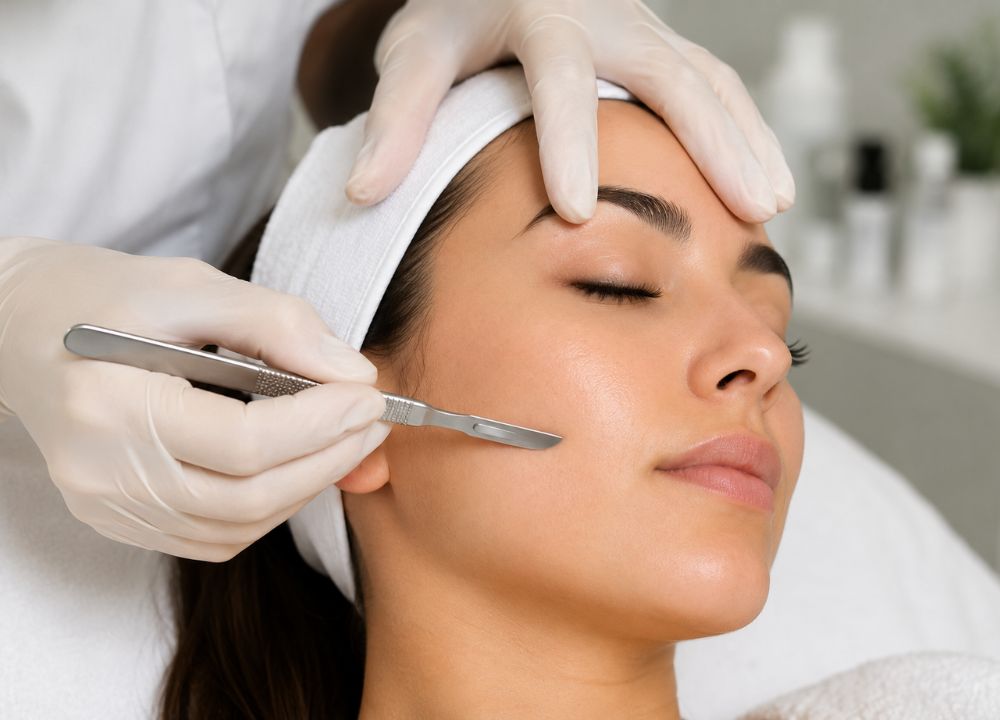
That is exactly where dermaplaning comes in. It is a cosmetic treatment where dead skin cells and peach fuzz are gently scraped off using a scalpel, performed by a plastic surgeon, dermatologist, or cosmetologist. The results show up almost immediately, which is why so many people are curious about it.
So is dermaplaning good for your skin? The short answer is yes, for most people. But like anything in skincare, the details matter. Understanding how it works, what it does, and who should or should not try it makes all the difference.
Why Dermaplaning Is Good for Your Skin?
Most people come across dermaplaning when they are looking for a way to get smoother, brighter skin without harsh chemicals or long recovery times.
What makes it different from other treatments is how simple and immediate the results feel. It is a non-invasive treatment where a trained provider uses a sterile surgical blade to gently scrape off the top layer of dead skin cells along with fine facial hair, leaving a smoother, fresher surface that reflects light better and absorbs skincare products more efficiently.
The reason it works so well comes down to what it removes. Dead skin and fine hair sit on the surface and create a barrier, preventing anything from getting through properly. Once that layer is gone, the skin responds differently, products absorb better, makeup goes on smoother, and the complexion looks noticeably more awake.
Benefits of Dermaplaning for Skin Texture
Skin texture is one of the first things people notice when they look in the mirror up close. Rough patches, tiny bumps, and an uneven surface can make skin look tired even after a full skincare routine. By removing dead skin cells and vellus hair, dermaplaning leaves the skin feeling significantly softer and smoother, creating a more even surface that minimizes rough patches and improves how light reflects off the skin.
What makes this especially helpful is that the improvement is not just visual. Running a hand across freshly dermaplaned skin feels noticeably different, soft, and smooth in a way that regular cleansing rarely achieves. That physical change in texture is what keeps most people coming back to the treatment regularly.
Does Dermaplaning Improve Skin Tone and Radiance
Uneven skin tone often comes from a buildup of dull, old cells sitting on the surface. These cells do not reflect light evenly, which is why skin can look flat or lack that natural glow.
Dermaplaning helps ease hyperpigmentation by gently exfoliating the top layer of the skin, where excess pigmentation often accumulates due to sun exposure, acne, or aging, and by removing this outer layer, it promotes the turnover of new, healthy skin cells, which can gradually fade dark spots and patches.
The brightening effect is one of the most noticeable things people mention after their first session. Without that dull layer sitting on top, the skin naturally looks more radiant and refreshed. There is a reason so many people schedule dermaplaning right before a big event or vacation, because the results are instant.
How Dermaplaning Helps with Product Absorption?
Skincare products are only as effective as the skin’s ability to absorb them. When dead skin and fine hair form a barrier on the surface, even the best serums and moisturizers cannot fully reach where they need to go.
By removing the layer of dead skin cells and vellus hair, dermaplaning creates a clean slate for skincare products, allowing serums, moisturizers, and other treatments to penetrate the skin more deeply and effectively.
This is something that actually makes a real difference in how a routine performs. Products that were sitting on the surface before start working the way they were designed to. Think of it as prepping the skin to fully absorb all the goodness being applied. Using a good cleansing oil before the procedure can also help prep the skin properly.
Is Dermaplaning Good for Your Skin? Dermatologist
Dermatologists tend to look at treatments from a clinical angle, focused on safety, results, and who it is actually right for. Dermaplaning holds up well under that kind of scrutiny. Dermaplaning makes an excellent addition to a high-quality anti-aging skincare routine, and dermatologists typically recommend patients receive a treatment roughly once per month for the most optimal results.
What makes dermatologists comfortable recommending it is that the risk profile is very low when done correctly. It does not involve chemicals, heat, or lasers, so recovery is minimal and the treatment suits a wide range of people.
What Dermatologists Say about Dermaplaning?
Dermatologists describe dermaplaning as one of the more straightforward exfoliation methods available. A plastic surgeon, dermatologist, or cosmetologist performs the procedure, and before any treatment, the healthcare provider discusses goals, examines the skin to make sure it is healthy enough, and reviews the patient’s health history.
The clinical perspective also emphasizes aftercare. Experts recommend using a broad-spectrum sunscreen of at least SPF 30 and a moisturizer afterward, because the skin may be more sensitive following treatment.
That extra step of sun protection is not optional; it is an important part of keeping results safe and lasting. For those wondering what dermatologists recommend for extremely dry skin, moisturizing right after dermaplaning is equally critical.
Who Is a Good Candidate for Dermaplaning, according to Dermatologists?
Not everyone walks into a dermatologist’s office with the same skin concerns, but dermaplaning tends to work across a surprisingly wide range of people. A wide variety of people can benefit from dermaplaning, especially those looking to reduce wrinkles and fine lines, treat acne breakouts, minimize the effects of scarring, and even out their skin tone.
It is also a strong option for people whose skin does not handle chemical exfoliants well. This type of manual exfoliation is especially beneficial for sensitive skin that does not tolerate strong acids or abrasive scrubs, making it a clean, controlled way to refresh the complexion.
Skin Types or Conditions Where Dermaplaning May Not Be Recommended
Even though dermaplaning suits most skin types, there are some situations where it is simply not a good idea. Dermaplaning is not recommended if someone has inflammatory skin conditions, and those taking isotretinoin should wait at least six months after stopping the medication before trying it.
Active acne is one of the clearest reasons to pause. Bacteria from a current breakout can spread to other areas of the skin during the procedure, making the acne worse, so it is best to wait until the skin has fully cleared up. Anyone with rosacea, eczema, or highly reactive skin should always speak to a dermatologist before booking a session.
Is at-home dermaplaning good for Your Skin
The rise of at-home skincare tools has made dermaplaning more accessible than ever. Drugstores and online shops now carry small facial razors designed for home use, and the interest has grown a lot.
Performing dermaplaning at home can be safe if done correctly, but unlike professionals who use medical-grade scalpels, most at-home tools are designed for consumer use and carry a lower risk of injury but also deliver less precise results.
So while it is possible to do at home, the experience and outcome are quite different from what a trained professional delivers. Understanding that difference helps set realistic expectations before picking up a blade. Those with oily skin should be especially careful, as over-exfoliating can trigger more oil production.
Differences between at-home and Professional Dermaplaning
The gap between at-home and professional dermaplaning comes down to tools, training, and depth of treatment. Professional dermaplaning uses a surgical blade for precise exfoliation, done by trained experts who evaluate skin type, apply correct pressure, and follow safe techniques to deliver smoother, safer, and more tailored results, while at-home tools have duller blades and plastic guards that help with peach fuzz but fall short of true professional-grade exfoliation.
There is also the question of hygiene and environment. Improper use of at-home dermaplaning tools can cause micro-tears in the skin, which may lead to bacterial infections, breakouts, or even scarring, especially if the blade is not sterile or the skin is not properly prepped. For those interested in how professional skin care lines for estheticians differ from consumer-grade tools, the same principle applies here.
Tips for Safe at-home Dermaplaning
If someone chooses to dermaplane at home, doing it carefully and with the right steps makes a real difference. The key steps include using a clean, sharp single-blade razor designed for facial use, washing the face thoroughly and drying it completely before starting, gently gliding the blade at a 45-degree angle using light downward strokes, and following up with a hydrating serum and moisturizer to soothe the skin.
One important thing that often gets overlooked is tool maintenance. Cleaning the razor both before and after use is essential so that no bacteria is introduced to the skin, and single-use dermaplaning razors are available for those who want to reduce that risk entirely.
Keeping sessions spaced out, every three to four weeks, also helps avoid over-exfoliation. This also pairs well with knowing how to use cleansing oil on the face as part of a post-treatment routine.
Risks to Watch Out For When Dermaplaning at Home
The convenience of at-home dermaplaning comes with real risks that are worth knowing before starting. Dermaplaning opens the skin barrier, which may allow bacteria to enter the skin, so keeping the area clean after treatment is essential, and increased sensitivity to sunlight means sunscreen is a must when going outdoors.
Timing also matters a lot. If someone is in the middle of a breakout, dermaplaning can agitate existing acne and actually cause more breakouts by leaving already-vulnerable skin exposed and susceptible to bacteria.
Skipping a session when the skin is irritated, broken out, or inflamed is always the smarter choice. Anyone who has experienced face breakouts after waxing will understand how blade treatments can sometimes trigger similar reactions.
FAQS
Does Dermaplaning Make Skin Permanently Smoother?
Not permanently. The results last around three to four weeks, which is how long it takes for dead skin and peach fuzz to build back up. Regular monthly sessions help maintain that smooth, fresh look over time.
Will Hair Grow Back Thicker or Darker after Dermaplaning?
No, this is a common myth. Vellus hair grows back with the same texture and pace as before, and while it may feel slightly coarser at first, it softens over time. The blade does not change the hair follicle at all.
How Often Should Someone Get Dermaplaned?
Most professionals recommend every three to four weeks. Doing it more frequently can cause discomfort or sensitivity, so spacing out sessions is important. Let the skin complete its natural cycle before going back in.
Can Dermaplaning Be Done on All Skin Tones?
Yes, dermaplaning is generally safe for all skin tones. Unlike some laser treatments, it does not target pigment, so it does not carry the same risk of discoloration. Those with deeper skin tones and specific concerns should still consult a professional first.
Is Dermaplaning Painful?
Not at all. Most people describe it as a light scraping sensation that is oddly satisfying. When done correctly, by a