
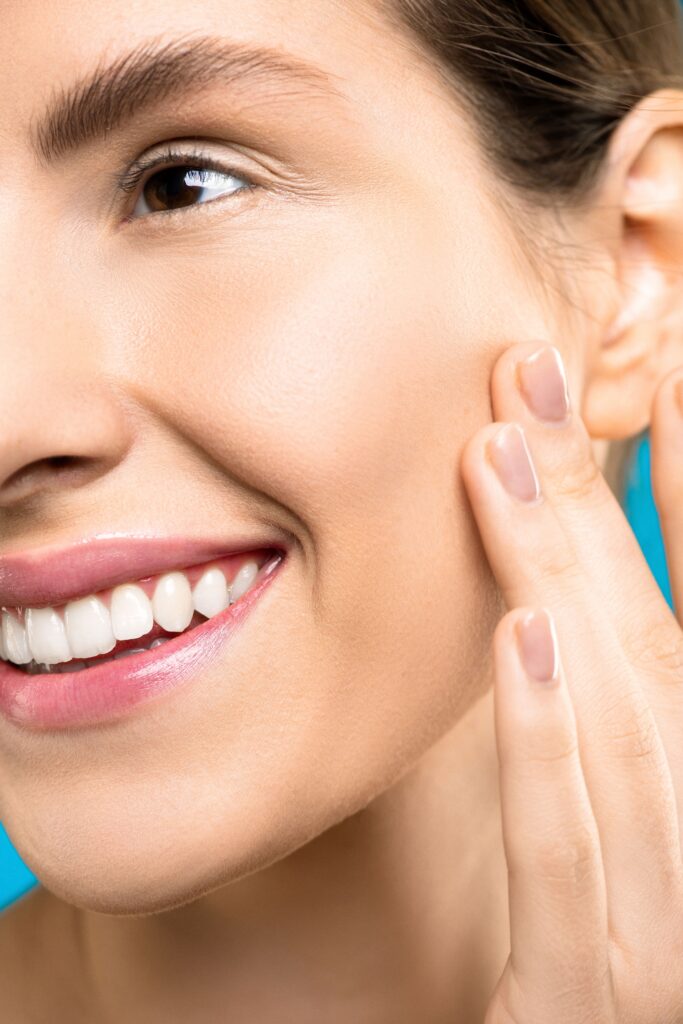
Staring at dull, tired-looking skin can be frustrating, especially when you’ve tried product after product without seeing much change. The real issue is usually not a lack of expensive creams or serums; it’s the everyday habits we tend to overlook, like not drinking enough water, poor sleep, or an unbalanced diet.
The good news is that achieving naturally glowing skin doesn’t require a complicated or costly routine. A few simple, consistent habits are often enough to help your skin look healthy and radiant from the inside out.
In this article, we’ll walk through how diet, hydration, sleep, and daily habits can help you achieve a natural glow without relying on expensive products.
- What Does Glowing Skin Mean?
- What Foods Make Your Skin Glow?
- How to Keep Skin Hydrated and Glowing?
- How to Get Healthy, Glowing Skin Through Lifestyle?
- How to Get a Natural Glow on Your Face – Daily Habits?
- How to Make Your Face Glow Overnight?
- How Can I Get Glowing Skin Naturally – Quick Tips Recap?
- Conclusion
- FAQS
What Does Glowing Skin Mean?
Glowing skin refers to skin that looks healthy, fresh, and evenly toned. It has adequate moisture and carries a soft, natural radiance. Skin that appears “glowing” is generally smooth, elastic, and even in tone, with a healthy shine that seems to come from within rather than sitting on the surface.
What is Radiant Skin?
Radiant skin means skin that looks bright and healthy. It typically has a smooth, even texture with a surface that reflects light well. Radiant skin is often described as having an even tone, a soft, elastic texture, and a naturally healthy glow.
What Makes Your Face Glow (from the Inside Out)?
Skin health starts from within. Good nutrition, sufficient sleep, lower stress levels, and regular movement all contribute to natural freshness in the skin. Internal hydration and nourishment through water and a nutrient-rich diet support the skin from the inside, producing that natural glow on the outside.
What Foods Make Your Skin Glow?
What you eat shows up on your skin just as much as what you put on it; some foods encourage that natural glow, while others quietly work against it.
Foods to Add for Natural Radiance
A healthy, balanced diet plays a major role in making skin glow from within. Daily meals should ideally include fresh fruits, vegetables, whole grains, lean protein, and healthy fats. The following foods are commonly linked to better skin health and a more natural glow:
- Fresh fruits and vegetables: Bell peppers, strawberries, and spinach are rich in vitamins C and A, both of which support collagen production.
- Nuts, seeds, and avocado: Almonds, walnuts, sunflower seeds, and avocado provide vitamin E and omega-3 fatty acids, which help hydrate skin and reduce inflammation.
- Fatty fish: Salmon and herring are rich sources of omega-3 fatty acids, which help maintain skin thickness, moisture, and elasticity.
Foods and Habits That Dull Your Skin
A few common foods and habits that can dull your skin’s natural glow include:
- Excess sugar and processed carbs: High-glycemic foods like white bread and heavily sweetened items can damage collagen, contributing to wrinkles and blemishes over time.
- Smoking and alcohol: Both slow down the skin’s natural repair process and can lead to premature aging.
- Lack of sleep: Staying up late or not getting enough rest reduces skin moisture and elasticity, leaving it looking dull and dry.
How to Keep Skin Hydrated and Glowing?

How Much Water You Actually Need Daily
Proper hydration is essential for healthy-looking skin. A common recommendation is around 8 glasses (roughly 2 liters) of water per day. While water’s direct effect on “glow” is somewhat limited, staying well hydrated can support skin moisture over time. Caffeine and high-sodium foods can dehydrate the skin, so keep them in moderation. Water-rich fruits and vegetables, like cucumber and watermelon, also help with hydration.
Hydrating Drinks Beyond Plain Water
Besides plain water, these drinks can also help hydrate the skin from within:
- Coconut water: Rich in vitamins and electrolytes (like sodium and potassium), it may help support skin moisture and elasticity.
- Water-rich fruit juices: Natural juices or infused water made from watermelon, orange, or strawberries can support hydration.
- Green or herbal tea: Low-caffeine or caffeine-free teas, such as green tea, may support skin moisture and thickness, contributing to a healthier glow.
How to Get Healthy, Glowing Skin Through Lifestyle?
Beyond diet, daily lifestyle factors like sleep, stress, and movement play a bigger role in your skin’s glow than most people realize.
Sleep and Its Direct Link to Skin Glow
Good sleep is critical for skin health. Getting 7 to 9 hours of consistent sleep each night helps maintain skin moisture, firmness, and elasticity. On the other hand, insufficient sleep is linked to reduced skin hydration and collagen, which shows up as a tired, dull complexion. A review published in the dermatology journal JAAD Reviews notes that sleep loss can weaken the skin’s barrier function and increase water loss from the skin, which makes dryness and dullness worse over time.
How Stress Affects Your Skin’s Radiance?
Mental stress affects the skin indirectly by disrupting hormone levels. Higher stress increases inflammation in the body and can reduce blood flow to the skin. As a result, skin cells receive less oxygen and nourishment, and the complexion can start to look dull and lifeless.
Exercise and Blood Circulation for a Natural Flush
Moderate exercise improves blood circulation throughout the body, giving skin a natural flush and a fresher look. Getting at least 150 minutes of moderate-intensity exercise per week supports skin cell repair and helps reduce inflammation. Exercise also increases oxygen delivery to the skin, which can improve its overall brightness and glow.
How to Get a Natural Glow on Your Face – Daily Habits?
A few small tweaks to your morning and daily routine can make your skin look noticeably fresher without any extra effort.
Morning Habits for an Instant Glow
A few simple morning habits can instantly lift your face. Drinking a glass of water as soon as you wake up helps hydrate the skin from within. Follow this with a gentle cleanser and a light moisturizer. If you’re heading outdoors, don’t skip sunscreen with SPF to protect your skin from sun damage.
How to Be Glowing Every Day (Simple Routine Tweaks)?
A few small daily habits that support glowing skin:
- Balanced breakfast: Include fruit, yogurt, or eggs in your breakfast, and drink plenty of water throughout the day.
- Weekly exfoliation: Gently exfoliate your face once or twice a week to remove dead skin cells and reveal fresher skin underneath.
How to Make Your Face Glow Overnight?
Your skin does most of its repair work while you sleep, so what you do before bed matters just as much as your morning routine.
Nighttime Habits (Not Products) That Help Skin Repair
Nighttime is when skin goes into repair mode. Before bed, thoroughly cleanse away makeup, dirt, and oil, then apply a light moisturizer. Getting 7 to 9 hours of sleep lets skin regenerate new cells and repair itself. Sleeping in a calm, comfortable environment gives your skin more rest, so you wake up looking fresher and more radiant.
How to Have Glowy Skin by Morning?
After a proper nighttime routine, skin often looks noticeably fresher and more radiant in the morning. The simplest approach is to cleanse your skin thoroughly at night and get enough sleep. Sleep is essential for internal skin repair, and it also keeps you away from harmful sun exposure during those hours. Following these basics consistently will help your skin look and feel better each morning.
How Can I Get Glowing Skin Naturally – Quick Tips Recap?

Here’s a quick recap of the habits that either help or hurt your skin’s natural glow, so you know exactly what to focus on.
Common Habits That Block Your Natural Glow
Common habits that hold back your skin’s natural glow include poor dietary choices and certain substances: too much sugar or junk food and excess salt or fried foods can leave skin looking dull. Smoking and alcohol interfere with the skin’s natural renewal process. Lack of sleep and chronic stress also negatively affect skin health. Avoiding these habits can make a noticeable difference over time.
How to Get Skin Glowing Fast Without Harsh Products?
To bring out a quick, natural glow without harsh chemical products, try these simple steps:
- Drink more water throughout the day to keep skin hydrated.
- Apply a suitable moisturizer every night to keep skin soft and hydrated.
- Exfoliate gently once a week to clear away dead skin cells and reveal fresher, brighter skin.
These simple steps can help your skin look fresher and brighter in a short amount of time.
Conclusion
Naturally glowing skin is generally a sign of healthy, well-hydrated skin. Achieving it requires caring for your skin from the inside out. A balanced diet, proper hydration, good sleep, and a simple daily skincare routine all contribute to healthier-looking skin. Avoiding harmful habits such as smoking, alcohol, and excess sugar while adopting a more positive lifestyle can help bring out your skin’s natural glow.
Keep in mind that everyone’s skin is different, but consistent, small changes can make a real difference in how your skin looks over time. Start with just one small habit today, whether it’s drinking more water or getting to bed on time, and you’ll likely notice a difference within a few weeks. Share your own experience in the comments below, and if you’re curious about a Korean-style deep hydration routine, check out our guide on getting glass skin naturally.
FAQS
Is glowing skin achievable at any age?
Yes, anyone can work toward a more radiant complexion regardless of age. Younger skin may show results faster, but consistent care can improve skin at any age.
How long does it take to see results?
Most people start noticing improved hydration and freshness after two to three weeks of consistent habits. More visible changes typically show up around the four-to-six-week mark.
Can drinking water alone make skin glow?
Water matters because it hydrates skin from within, but it’s not enough on its own; a balanced diet, good sleep, and an overall healthy lifestyle matter just as much.
Does lack of sleep really affect skin?
Yes, insufficient sleep reduces skin hydration and can leave the complexion looking dull. Getting seven to nine hours of sleep each night supports the skin’s natural repair process.
Can stress reduce your skin’s glow?
Yes. Higher stress levels increase inflammation in the body and reduce blood flow to the skin, which can make the complexion look tired and dull.
Source referenced: JAAD Reviews – Sleep in Dermatologic Conditions: A Review