
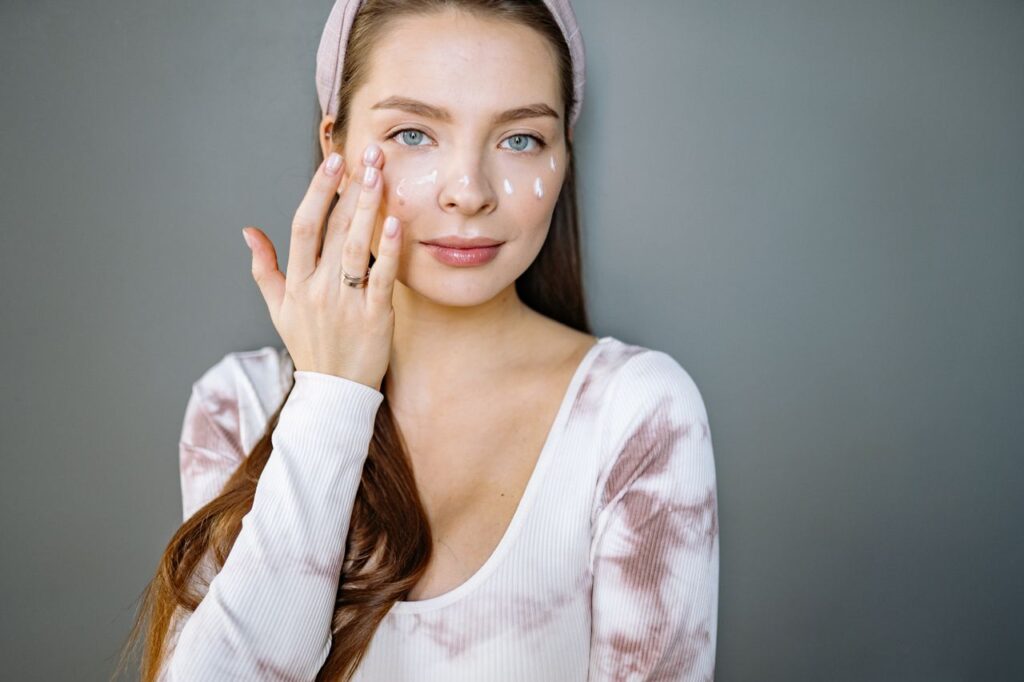
Your skin feels smooth after a hyaluronic acid serum, then a week later, new bumps show up along your jaw. That timing makes people wonder if the very product meant to hydrate them is somehow working against them.
Hyaluronic acid isn’t oily or heavy on its own, so blaming it for clogged pores feels confusing at first. The real story sits in formulation, skin type, and how much water actually reaches your skin barrier.
Skip figuring this out, and you might toss out a genuinely helpful ingredient for the wrong reason. Or worse, you keep using a formula that’s quietly irritating your skin while assuming hydration is always harmless.
This piece breaks down exactly when hyaluronic acid plays a role in breakouts, how your specific skin type changes that risk, and what you can do to get the hydration without the bumps.
- What Is Hyaluronic Acid and How Does It Work
- Can Hyaluronic Acid Cause Breakouts
- Does Hyaluronic Acid Cause Breakouts in Oily Skin
- Hyaluronic Acid and Breakouts in Dry Skin
- Hyaluronic Acid and Breakouts in Sensitive or Acne-Prone Skin
- Hyaluronic Acid and Breakouts in Combination Skin
- Can Too Much Hyaluronic Acid Cause Breakouts
- Signs of a Breakout vs Normal Skin Adjustment
- How to Use Hyaluronic Acid Without Breakouts
- Side Effects and Precautions of Hyaluronic Acid
- Why Skin Type Determines Your Hyaluronic Acid Experience
- FAQS
What Is Hyaluronic Acid and How Does It Work
Hyaluronic acid is a humectant, not a moisturizer in the traditional sense. That means it works by pulling water toward itself rather than sitting on skin as a barrier.
Research published in Skin Research and Technology found that hyaluronic acid with a molecular weight of 20,000 to 300,000 daltons can pass through the skin’s outer layer. Heavier versions above 1,000,000 daltons mostly stay on the surface instead.
This single molecule can hold close to 1,000 times its own weight in water. That’s why it shows up in so many serums built around plumping and hydration.
But a humectant needs water nearby to pull from, either the air around you or the deeper layers of your own skin. Without that supply, the same ingredient behaves very differently.
Understanding this pulling action matters, because it’s the exact mechanism behind most of the breakout confusion people run into.
Can Hyaluronic Acid Cause Breakouts
On its own, hyaluronic acid rarely causes breakouts. It has no comedogenic rating and doesn’t clog pores the way heavy oils or waxes can.
Breakouts tied to hyaluronic acid usually come from somewhere else in the formula. Silicones, certain fatty alcohols, or added fragrance sitting in the same bottle are far more likely culprits.
Layering also plays a part. Applying hyaluronic acid under a thick occlusive cream can trap that added moisture along with oil, dirt, and dead skin cells against your face.
So the honest answer is that hyaluronic acid itself is not the direct cause in most cases. The breakout risk comes from what surrounds it, how it’s applied, and your particular skin chemistry.
Does Hyaluronic Acid Cause Breakouts in Oily Skin
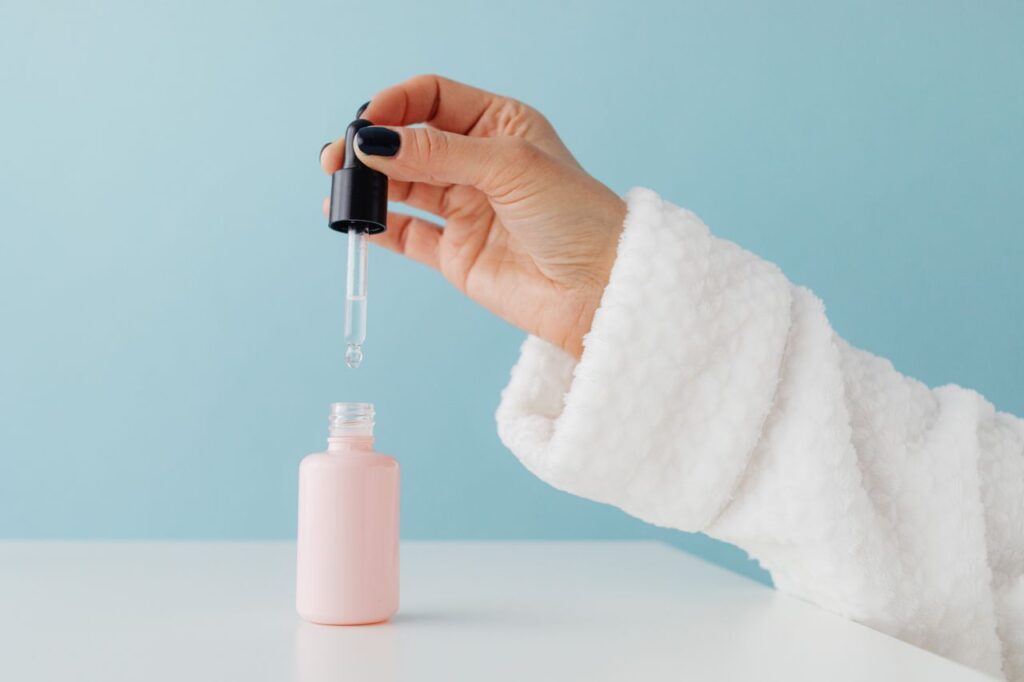
Oily skin already produces plenty of natural sebum, so adding more moisture can feel counterintuitive. Yet the actual risk usually traces back to ingredient pairing, not hyaluronic acid.
Many hyaluronic acid serums marketed for oily skin also include occlusive agents like dimethicone. Those form a seal on top of skin, which can trap excess oil underneath.
Gel-based hyaluronic acid formulas tend to sit better on oily skin than cream-based ones. The lighter texture won’t add to the greasy feeling that triggers pore blockage.
If breakouts appear after starting a new HA product, check the full ingredient list first. The oil-trapping additive is almost always the real trigger, not the hyaluronic acid molecule.
Hyaluronic Acid and Breakouts in Dry Skin
Dry skin rarely breaks out from hyaluronic acid, since there’s rarely excess oil for anything to get trapped in. The irritation that does show up here has a different source.
In low-humidity environments, hyaluronic acid can pull water from deeper skin layers instead of the air. A patent filing on moisturizing technology noted that winter humidity in the northeastern United States can drop to around 13 percent indoors.
When that happens, skin can end up drier than before you applied anything. That dryness sometimes gets mistaken for a breakout when it’s really just flaking or tightness.
The fix isn’t avoiding hyaluronic acid; it’s sealing it in a moisturizer applied right after locks the water in rather than letting it evaporate back out.
Hyaluronic Acid and Breakouts in Sensitive or Acne-Prone Skin
Sensitized skin has a weaker barrier, which makes it react faster to anything new, including hyaluronic acid. The bumps that show up here are often irritation rather than true clogged-pore breakouts.
Acne-prone skin carries its own bacteria and oil balance that’s already prone to flare-ups. Adding a poorly formulated HA product with alcohol or fragrance can push that balance further off.
Impurities in low-grade hyaluronic acid are another factor. Cheaper formulations sometimes carry residual proteins from the fermentation process, and those can trigger a reaction in already-reactive skin.
Patch testing matters more here than with any other skin type. A small test on the jawline for a few days can reveal irritation before it spreads to your whole face.
Hyaluronic Acid and Breakouts in Combination Skin
Combination skin carries two different behaviors on one face: oily through the T-zone and drier along the cheeks. That split creates uneven risk depending on where a product sits.
The T-zone can trap excess moisture under heavier HA formulas the same way oily skin does. Meanwhile, the drier cheeks might barely absorb anything and end up flaky instead.
Using one blanket product across the whole face often ignores this split. Some people get better results applying a lighter gel on the T-zone and a richer version on drier patches.
Breakouts in combination skin usually cluster right where the oily zones meet a heavier layer of product. That pattern is a strong clue that formulation, not the HA itself, is the trigger.
Can Too Much Hyaluronic Acid Cause Breakouts
Quantity changes how hyaluronic acid behaves, separate from whatever skin type you have. Piling on several HA-heavy products in one routine adds up fast.
Independent formulation research has linked hyaluronic acid under 10,000 daltons to inflammation when used at high concentrations. That’s a much smaller molecule than what’s typically found in gentler serums.
Layering three or four products that all contain hyaluronic acid can overload the skin’s surface with humectant. Once there isn’t enough water nearby to satisfy all of it, irritation becomes more likely.
More isn’t better with this ingredient. One well-formulated serum applied to slightly damp skin usually outperforms a stack of five different products all fighting for the same water.
Signs of a Breakout vs Normal Skin Adjustment
New skincare can trigger a temporary reaction that looks like a breakout but isn’t. Telling the two apart saves you from quitting a product that needs a little more time.
- True breakouts show inflamed, painful bumps that stick around for a week or more.
- Purging tends to appear in areas you already break out, and clears faster.
- Adjustment periods often bring mild redness or slight dryness, not raised bumps.
- New, unfamiliar bump locations you’ve never had before usually signal a real reaction
If bumps show up somewhere you’ve never broken out before, that’s a stronger signal of true irritation. Purging usually follows your existing breakout pattern instead of creating new ones.
Timing helps too. Purging tends to settle down within two to four weeks, while a genuine breakout from a bad match keeps building the longer you continue.
How to Use Hyaluronic Acid Without Breakouts
Preventing breakouts here comes down to method more than avoidance. A few small changes to how you apply hyaluronic acid solve most of the problem.
- Apply to damp skin so there’s water nearby for the HA to grab
- Seal it with a moisturizer within a minute or two of application.
- Choose gel formulas over creams if your skin runs oily.
- Check the label for multiple molecular weights for more balanced penetration.
- Avoid stacking more than one hyaluronic acid product in a single routine.
Application order matters just as much as the product itself. Thinner, water-based layers should always go on before thicker, richer ones.
Give any new formula at least two weeks before judging it. That’s usually enough time to separate a real reaction from your skin simply adjusting.
Side Effects and Precautions of Hyaluronic Acid
Beyond breakouts, hyaluronic acid carries a short list of other possible side effects. Dryness in low humidity is the most common, especially when it’s used without a sealing moisturizer.
A clinical study on a topical hyaluronic acid facial serum tracked tolerability markers like stinging, itching, and burning across several weeks of daily use, and reported minimal issues for most participants.
Impure formulations can still cause redness, itching, or mild swelling in sensitive users, and this usually comes down to manufacturing quality rather than the ingredient itself. Anyone with a known reaction to injectable hyaluronic acid fillers should also check with a dermatologist before trying topical versions.
Why Skin Type Determines Your Hyaluronic Acid Experience
Everything covered here points back to one idea. Hyaluronic acid itself rarely causes breakouts, but how it’s formulated, applied, and matched to your skin absolutely can.
Oily skin reacts to trapped moisture under heavy formulas. Dry skin reacts to moisture pulled away in low humidity. Sensitive skin reacts to impurities and added irritants.
Once you match the right molecular weight, texture, and application method to your specific skin, the breakout risk drops sharply. The ingredient was never really the problem to begin with.
FAQS
Can hyaluronic acid be used with retinol together?
Yes, applying hyaluronic acid first on damp skin, then retinol after, helps reduce the dryness retinol often causes. Dermatologists commonly recommend this combination.
How long does it take to notice hyaluronic acid working?
Most people notice plumper, hydrated skin within a few days of consistent use. Deeper hydration and texture improvements build over two to four weeks.
Can hyaluronic acid cause purging like retinoids do?
No, since it doesn’t speed up cell turnover the way retinoids do. Any bumps that appear are more likely tied to formulation or trapped moisture, not true purging.
Is injectable hyaluronic acid different from topical hyaluronic acid?
Yes, injectable fillers work beneath the skin’s surface for volume, while topical serums only hydrate the outer layers. The two don’t carry the same risks or results.
Can I use hyaluronic acid in a humid climate without a moisturizer?
Yes, in humid conditions hyaluronic acid can pull moisture from the air instead of deeper skin layers. A light gel moisturizer is still recommended to seal that hydration in.
Does hyaluronic acid expire or lose effectiveness over time?
Yes, like most serums, it can degrade once opened, especially with air and light exposure. Using it within six to twelve months of opening keeps it working as intended.