
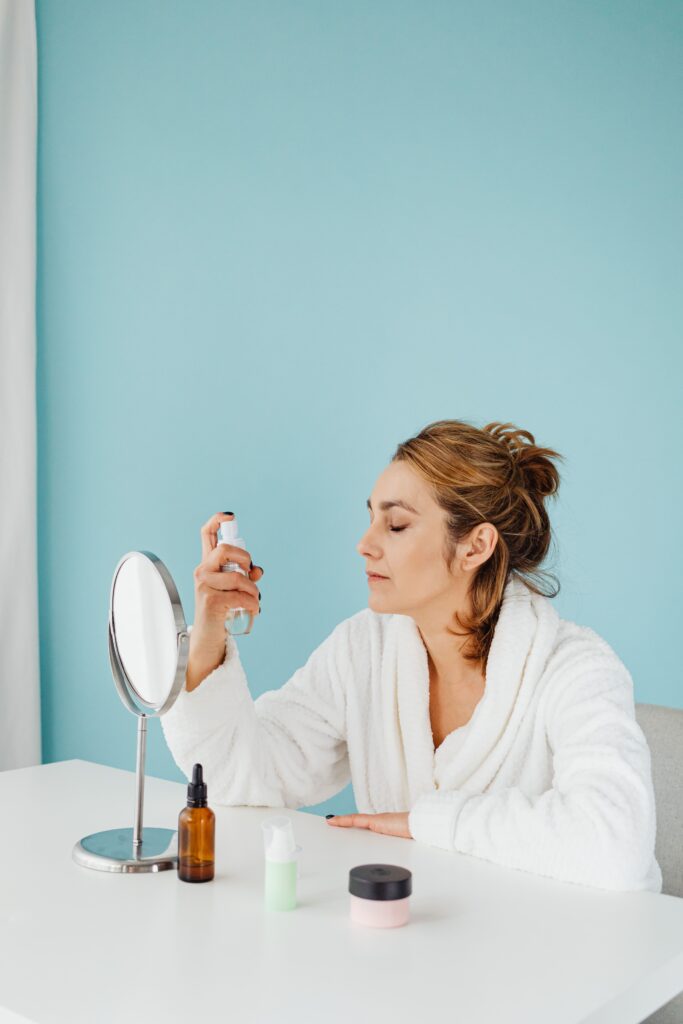
Your skin feels tight the moment you step out of the shower, and no matter how much moisturizer you put on, it still feels dry by evening.
Most people blame the weather or their cleanser, and end up switching products every few weeks without ever fixing the real problem.
Here’s the truth: dryness usually comes down to a weak skin barrier. Once that barrier is damaged, moisture keeps escaping no matter how much cream you pile on top.
In this article, we’ll show you how niacinamide helps repair that barrier, how to use it properly for dry skin, and what to pair it with for faster results.
How Niacinamide Fixes a Dry Skin Barrier
Dry skin doesn’t just feel bad; it looks tired too. That’s because the top layer of your skin is losing water faster than it should.
Here’s where niacinamide steps in. It boosts something called ceramides in your skin. Think of ceramides like the glue that holds your skin cells together and keeps water locked inside.
According to Healthline, niacinamide has been shown to strengthen the skin barrier and improve moisture retention with regular use.
With enough ceramides, your skin holds on to moisture much longer. That means less tightness, less flaking, and skin that actually feels soft by the end of the day, even if you’re sitting in an air-conditioned room all day.
What Dermatologists Say About Niacinamide for Dry Skin?
Skin doctors love niacinamide because it’s gentle and works for almost everyone. It doesn’t sting or irritate the way some other ingredients do.
Most dermatologists suggest starting with a 5% niacinamide product. It’s strong enough to actually do something, but gentle enough that your skin won’t freak out. If your skin is extra sensitive, start with 2% for a safer bet.
One more tip from the pros: don’t use niacinamide alone. Pair it with a good moisturizer for the best results.
Using Niacinamide on Your Face
Your face has thinner skin than the rest of your body, so it needs something effective without being harsh.
The good news? Niacinamide absorbs quickly and doesn’t leave a greasy feeling. It also helps brighten that dull, tired look dry skin often has, especially around your cheeks and forehead.
For best results, apply it right after washing your face, while your skin is still a little damp.
Niacinamide Serum or Moisturizer — Which One First?
A serum penetrates deeper into your skin than a moisturizer. So if your dryness feels stubborn, a serum will likely do more heavy lifting.
A moisturizer mostly sits on top of your skin, forming a layer that stops water from escaping. It doesn’t boost ceramides the way a serum can.
The best move? Use both. Apply the serum first since it’s lighter, then seal everything in with your moisturizer on top.
Should You Try a Niacinamide Face Wash?
A niacinamide face wash is a nice, gentle way to start. It cleans your skin without stripping away the oils it actually needs.
But here’s the catch: a face wash only touches your skin for a few seconds before you rinse it off. So it can’t do as much as a serum that stays on.
Think of it as a bonus, not your main source of niacinamide. Pair it with a leave-on product for real results.
Niacinamide for Sensitive, Dry Skin
If your skin reacts to everything, you know how frustrating that is. Good news: niacinamide is one of the few ingredients that sensitive skin usually tolerates really well.
It calms redness while fixing your barrier at the same time, which is exactly what sensitive, dry skin needs. Still, it’s smart to patch test it first on your arm or jaw before putting it all over your face.
Niacinamide for Dry Skin That Also Gets Acne
Having dry skin and breakouts at the same time feels unfair, but it happens more than you’d think. Many acne treatments dry your skin out even more, which only makes things worse.
Niacinamide helps calm inflammation and control oil without worsening dryness. It’s one of the few ingredients that can handle both problems at once.
Niacinamide or Hyaluronic Acid — Which Wins for Dry Skin?
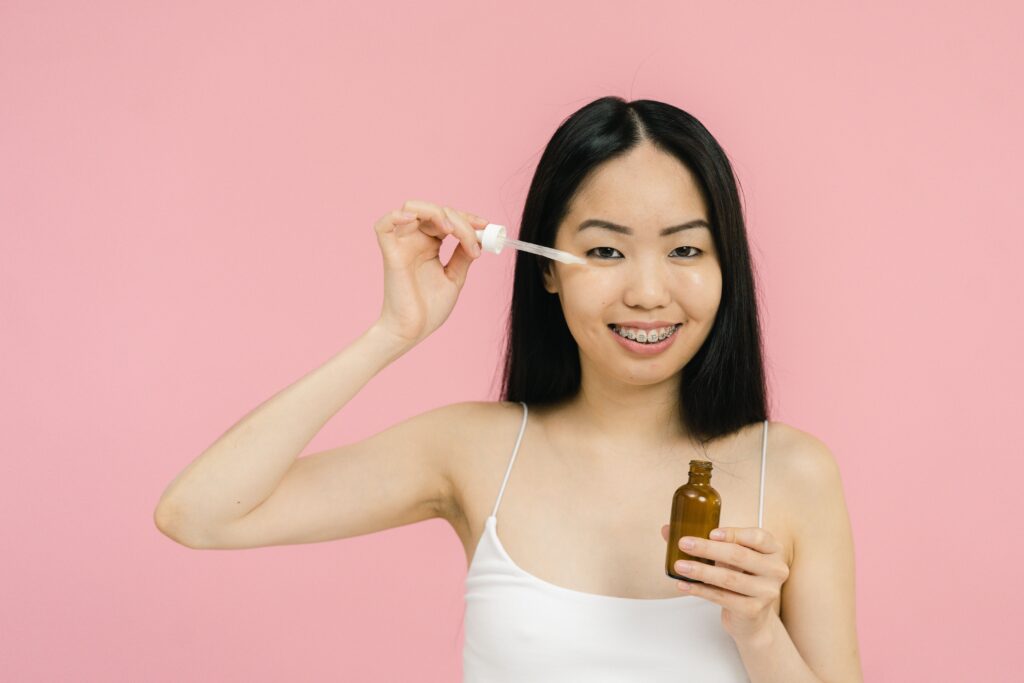
Honestly, you don’t have to pick just one. They work differently. Hyaluronic acid pulls water into your skin, while niacinamide locks that water in so it doesn’t escape.
Used together, they’re a great team. Apply hyaluronic acid first on slightly damp skin, then follow with niacinamide to seal it all in.
Mixing Niacinamide With Zinc
Niacinamide and zinc are usually talked about for oily or acne-prone skin, but dry skin can benefit too, if you get the percentage right.
Zinc helps calm redness and irritation, which is helpful if your dry skin also feels inflamed. Just keep the zinc percentage low, around 1%, so it doesn’t dry your skin out even more.
Niacinamide for Dry Skin in Winter
Winter is rough on dry skin. Cold air holds less moisture, so your skin loses hydration faster and can start to crack or flake.
This is where niacinamide really shines. It strengthens your barrier so your skin can fight back against harsh, cold air.
A simple habit that helps: use a niacinamide serum every morning before you head out. It’s a small step that makes a real difference all winter long.
Side Effects to Watch For
Niacinamide is one of the safest ingredients, but it’s not completely risk-free, especially if your skin is already dry and sensitive.
- A little redness or warmth, usually only above 10% strength
- A slight tingle right after applying, which usually fades quickly
- Mild flaking in the first week as your skin adjusts
- Extra dryness if you’re using too many strong products at once
None of these are common, and they’re usually mild. If irritation doesn’t go away after a week or two, use it less often.
FAQs
Can I use niacinamide every day?
Yes! It’s gentle enough to use morning and night without any issues.
How long before I see results?
Give it 2 to 4 weeks. Your skin needs a little time to adjust and show change.
Should I apply it before or after moisturizer?
Always before. Let it soak in first, then lock it in with your moisturizer.
Can niacinamide replace my moisturizer?
No, it works alongside your moisturizer, not instead of it.
Is more niacinamide always better?
Not really. Sticking to 5-10% works best for most people. Going higher can cause redness.