

Those small, rough bumps on your arms or legs are not always random. Sometimes the skin is just too dry, and it starts reacting in ways that look worse than they feel. Most people ignore dry skin until it turns into something more visible, like tiny bumps that won’t go away.
The problem is that dry skin does more than just feel tight or flaky. When the skin barrier breaks down, dead cells accumulate, pores become blocked, and bumps form. According to Cleveland Clinic, severely dry skin is fragile and can crack, which opens the door to painful sores and infections.
If left untreated, this can get worse over time. The skin becomes rough, irritated, and more prone to infections. According to the Cleveland Clinic, severely dry skin is fragile and can crack, leading to painful sores and infections.
So yes, the question “Can dry skin cause bumps?” is a real question with a real answer. The good news is that most of these bumps can be managed once you understand what is causing them and how to treat the skin properly.
What Happens to Your Skin When It Gets Too Dry
Dry skin is not just about feeling rough or flaky. When the skin loses moisture, the outer protective layer starts to weaken and crack.
Dry skin occurs when the skin lacks sufficient hydration to remain soft, and severe cases can cause it to crack and bleed. Once that barrier is damaged, the skin becomes sensitive to almost everything around it. Premier Medical Group
Dead skin cells that normally shed on their own start to pile up instead. This buildup blocks hair follicles and pores, which is exactly where bumps begin to form.
When the skin is dry, it sheds unevenly and becomes more irritated, leading to redness, bumps, and a patchy texture. This is why even a small patch of dryness can become more noticeable if ignored. Dermatology of Seattle & Bellevue
Can Dry Skin Actually Cause Bumps
The short answer is yes, it can. But it is not always a direct cause. Dry skin creates the right conditions for bumps to form.
Dry skin can cause inflammation and uneven shedding, leading to clogged pores, rough patches, or irritated, red areas that look like spots. The skin is reacting to the lack of moisture, and bumps are one of those reactions. Dermatology of Seattle & Bellevue
In some cases, dryness does not cause the bumps directly but makes existing skin problems much more visible. Conditions like keratosis pilaris or mild eczema often flare up when the skin gets dry, making the bumps more pronounced and harder to ignore.
What Do Dry Skin Bumps Look Like
Dry skin bumps do not all look the same. They can vary in colour, texture, and feel depending on the cause.
Some bumps are small and rough, while others are red and itchy. Knowing what type you have makes it easier to treat them properly.
Small Rough Bumps on Arms and Legs
These are among the most common bumps associated with dry skin. They usually feel like sandpaper when you run your hand over them.
Keratosis pilaris looks like dry, rough, small bumps that are flesh-colored or pink and can feel like sandpaper or chicken skin, and is usually not itchy. Most people notice these on the back of their arms or the front of their thighs. Nationwide Children’s Hospital
The bumps are clusters of dead skin cells that build up over time, and some refer to the condition as “chicken skin” because the bumps resemble plucked chicken skin. They are harmless but can feel frustrating to deal with. Premier Medical Group
Red Itchy Bumps from Dry Skin
Red bumps that itch are usually a sign of irritated or inflamed skin. This can happen when dry skin leads to a reaction.
Eczema is a group of skin conditions that cause red, dry, bumpy, and itchy patches; severe forms can cause cracking, making the skin more prone to infection. The itching can be intense, especially at night or in dry weather. Cleveland Clinic
If the bumps cause itching or irritation, they may become red and slightly inflamed, leading to skin scars. Scratching makes this worse, so treating the redness early matters. HealthDirect
White or Flesh-Colored Bumps on Dry Skin
These bumps are usually not painful or itchy. They are often mistaken for closed pores or small pimples.
Pearly bumps under the skin on the face, usually around the eyes, nose, or cheeks, may be milia. They form when dead skin cells get trapped beneath the skin’s surface instead of shedding. They feel firm and will not pop if pressed. U.S. Dermatology Partners
Keratosis pilaris bumps are flesh-coloured or pink and most commonly appear on the backs of the arms, the fronts of the thighs, and the face. They tend to get more visible in winter when the air is drier. Nationwide Children’s Hospital
Dry Skin Bumps That Are Not Itchy
Not all bumps cause discomfort. Some are just there, visible but not painful.
Keratosis pilaris is not contagious and is usually not itchy, though it can be managed with regular skin care using gentle moisturisers daily. The bumps may come and go, especially with seasonal changes. Nationwide Children’s Hospital
Keratosis pilaris sometimes itches mainly during winter and in low-humidity climates, but when humidity increases in summer, the bumps become less red and less obvious. So for some people, the bumps simply fade with warmer weather. Foothill Dermatology
Where Do Dry Skin Bumps Usually Appear
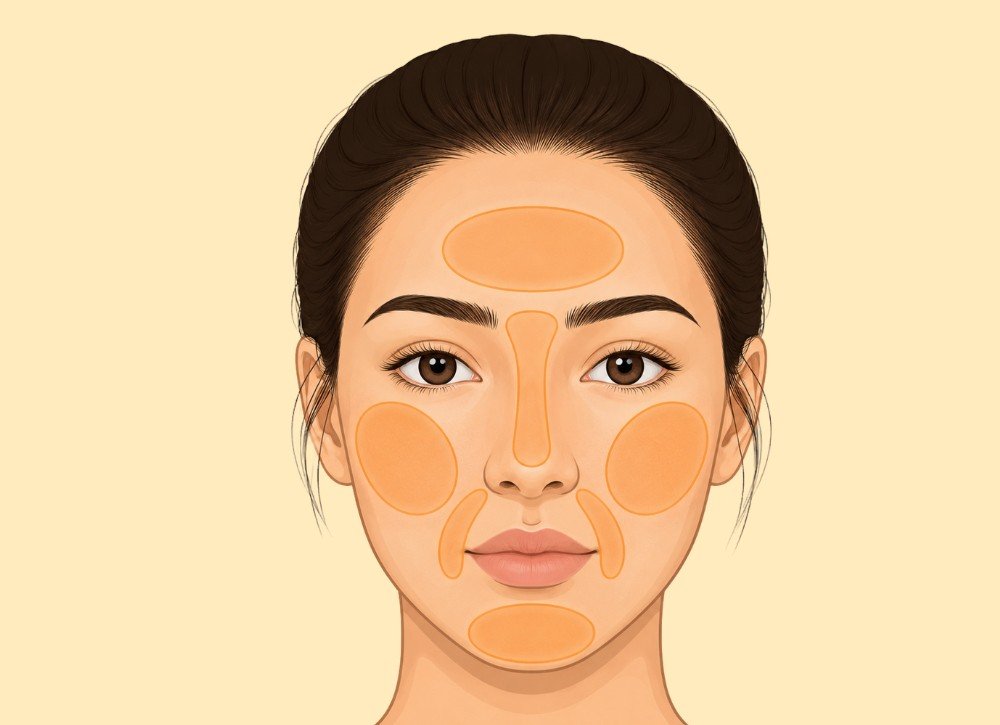
Dry skin bumps can show up anywhere, but certain areas are more commonly affected. The skin in these spots tends to lose moisture faster or has less natural oil.
Understanding where these bumps appear can help narrow down what is causing them and what treatment fits best.
Dry Skin Bumps on Arms
The back of the upper arms is one of the most common spots. Keratosis pilaris causes small, discoloured bumps to develop around hair follicles, and you may notice patches of tiny, rough bumps on the backs of your upper arms. Cleveland Clinic
These bumps are often just there in the background, not causing pain but affecting how the skin looks and feels. Moisturising the area daily is usually the first step in calming them down.
Dry Skin Bumps on Face
Facial skin is more sensitive, so bumps here can feel more noticeable. Milia form on the face when dead skin cells get trapped beneath the skin’s surface, and the underlying cause may include thick skincare products, injuries, rashes, or sun damage. U.S. Dermatology Partners
Dry patches on the face can also lead to flaky bumps or redness that looks similar to a rash. Using a gentle, hydrating moisturiser made for facial skin is usually the safest first approach, and knowing how to cleanse your face properly can also prevent buildup.
Dry Skin Bumps on Legs
The legs, especially below the knees, tend to get very dry. The most common areas for these bumps are the backs of the arms, the fronts of the thighs, and the face. Nationwide Children’s Hospital
Shaving on dry skin can also irritate the follicles, leading to bumps that look like small pimples. Keeping the legs well moisturised after washing helps prevent both dryness and irritation.
Dry Skin Bumps on Hands
The hands are washed frequently, which strips natural oils fast. Applying moisturiser after washing your hands is one of the key steps dermatologists recommend to help heal and prevent dry skin. AAD
Bumps on the hands from dryness can feel rough and may crack if not treated. A thick, fragrance-free hand cream applied right after washing works better than a thin lotion.
What Causes Dry Skin to Form Bumps
Bumps do not just appear randomly. There is always something happening beneath the surface that triggers them.
Several factors can push dry skin to form bumps, from blocked follicles to seasonal changes.
Blocked Hair Follicles and Dry Skin
When the skin is dry, dead cells do not shed the way they should. Instead, they pile up and clog the opening of hair follicles.
Keratosis pilaris is caused by the buildup of a skin protein called keratin, and excess keratin can block hair follicles or pores, leading to small, hard bumps. These bumps are not infected, just clogged. HealthDirect
Many bumps also contain ingrown hairs, and they often occur at the same time as other skin conditions, such as dermatitis. Keeping the skin hydrated helps reduce this buildup over time. HealthDirect
Lack of Moisture and Skin Barrier Damage
When the skin barrier is damaged, it cannot hold water properly. This leads to a cycle in which the skin keeps drying out and worsening.
The cause of eczema is dysfunction of the skin barrier, coupled with chronic inflammation, in which the skin’s protective barrier fails to retain moisture. Without sufficient moisture, the skin becomes rough and bumpy. U.S. Dermatology Partners
A damaged skin barrier also makes the skin more reactive to soaps, weather, and other environmental factors. Healing the barrier with gentle care and regular moisturising is the most important first step.
Allergic Reaction vs Dry Skin Bumps
Not every bump comes from dryness alone. Sometimes the skin is reacting to something it has touched or absorbed.
Contact dermatitis is typically caused by exposure to an allergen or irritant, and red, itchy bumps at the site of contact may indicate this reaction. These bumps often appear quickly after contact with the trigger. ACAAI
Dry skin bumps, on the other hand, tend to develop slowly over time and are not tied to a specific exposure. If bumps appear suddenly after using a new product, an allergic reaction is more likely the cause.
Weather and Seasonal Changes
Cold air and low humidity pull moisture from the skin faster than the skin can replenish it. Dry skin symptoms typically worsen with age, during colder months, and in low-humidity climates. Mydermatologyassociates
Winter is usually when most people notice their bumps getting worse. Running indoor heating also dries the air, which makes the problem even more common during colder months.
Dry Skin Bumps vs Other Skin Conditions
Dry skin bumps can look very similar to bumps caused by other conditions. Telling them apart matters because the treatments differ for each.
A few comparisons can help narrow things down before seeing a doctor.
Keratosis Pilaris vs Dry Skin Bumps
Keratosis pilaris is directly linked to dry skin, but it is its own condition. About 50-80 per cent of teenagers and 40 per cent of adults will develop these bumps at some point in their lives. Cleveland Clinic
The key difference is that keratosis pilaris has a genetic component. In most cases, it is a genetic condition that runs in families and often occurs at the same time as other skin conditions,, such as dermatitis. Regular dry skin bumps tend to clear up with good moisturising, while keratosis pilaris needs consistent long-term care. HealthDirect
Eczema Bumps vs Dry Skin Bumps
Eczema bumps are usually much more uncomfortable than regular dry skin bumps. Eczema can come and go over time, and flare-ups may crack, ooze, and itch severely, varying from mild dry skin to severe red, scaly, thick, and oozing skin. ACAAI
Simple dry skin bumps do not ooze and are usually not as red or inflamed. If bumps are weeping or crusting, eczema is more likely and needs proper medical attention.
Heat Rash vs Dry Skin Bumps
Heat rash occurs when sweat becomes trapped beneath the skin. It shows up in warm conditions, the opposite of when dry skin bumps usually worsen.
Heat rash bumps are often tiny, red, and appear in skin folds or areas that sweat a lot. Dry skin bumps appear on drier, exposed areas like the arms and legs and tend to get worse in cold, low-humidity weather.
Contact Dermatitis vs Dry Skin Bumps
Contact dermatitis appears quickly, usually within hours of contact with an irritant. Hives are raised, itchy bumps that appear reddish and will turn white in the centre when pressed. ACAAI
Dry skin bumps form more slowly and are not tied to a single trigger event. If the bumps appeared after using a new soap, lotion, or fabric softener, contact dermatitis is the more likely cause.
How to Tell If Your Bumps Are from Dry Skin
A few simple signs can point toward dry skin as the cause. First, consider the timing. If the bumps got worse in winter or during dry weather, dryness is likely involved.
Dryness-related spots often improve when the barrier is restored, and irritation reduces within 1 to 2 weeks. If bumps improve with regular moisturising in a week or two, that is a strong sign that dryness was the issue. Bumps that spread fast, ooze, or feel very painful need a doctor’s check, not just more lotion. Dermatology of Seattle & Bellevue
How to Get Rid of Bumps Caused by Dry Skin
Getting rid of dry skin bumps takes a consistent routine. There is no single overnight fix, but the right steps make a real difference over time.
The most important thing is to restore moisture and keep it there.
Best Moisturisers for Dry Skin Bumps
Not all moisturisers work the same way for bumpy skin. Thicker formulas tend to do a better job of locking in moisture.
Selecting a thick oil-free cream or ointment rather than a lotion is more effective, and using a moisturiser containing urea or lactic acid is especially effective for keratosis pilaris bumps. These ingredients help soften the skin and promote cell turnover. American Academy of Dermatology
Moisturisers containing ceramides repair the skin barrier, and fragrance-free options should be applied at least once a day, always after showering or bathing, to lock in moisture. Applying it while the skin is still slightly damp makes it absorb better. U.S. Dermatology Partners
Exfoliation for Rough Bumpy Skin
Gentle exfoliation helps remove the buildup of dead skin that causes bumps. But overdoing it can make things worse.
Using a gentle chemical exfoliant a few times a week to dissolve and loosen keratin plugs is more effective than physical scrubbing. Look for products with lactic acid or salicylic acid, as these are gentler on already-sensitive dry skin. U.S. Dermatology Partners
Avoid harsh scrubs or rough washcloths on bumpy areas. The goal is to encourage natural shedding, not irritate the skin further.
Home Remedies for Dry Skin Bumps
Simple changes at home can help reduce dry skin bumps over time. Taking shorter showers, using lukewarm water instead of hot, and using a mild exfoliating body wash can all help improve the appearance of bumps. Cleveland Clinic
Using a humidifier in dry months is another easy step that many people overlook. Using a humidifier can help hydrate the skin and is one of the key changes dermatologists recommend to help with keratosis pilaris and dry skin bumps. Cleveland Clinic
When to Use a Medicated Cream
When regular moisturisers are not enough, medicated options can step in. Dermatologists may recommend topical medications, such as steroid or non-steroidal anti-inflammatory creams, to help calm skin and reduce inflammation. U.S. Dermatology Partners
Dermatologists may also recommend products containing salicylic acid or topical retinoids to remove excess dead skin and reduce bumps, though these may need to be used frequently as keratosis pilaris tends to recur. Do not use strong medicated creams without guidance, as they can thin or irritate the skin if used incorrectly. Mydermatologyassociates
How to Prevent Dry Skin Bumps from Coming Back
Prevention is mostly about keeping the skin hydrated consistently, not just when the bumps appear. Moisturising every day, even when the skin looks fine, is the most effective habit to build.
Applying moisturiser when the skin is still damp after a shower, after washing hands, and whenever the skin feels dry helps maintain hydration throughout the day. Small daily habits like these prevent the dryness cycle from starting again. Avoid hot showers, harsh soaps, and long baths, as these strip the natural oils that protect the skin barrier. AAD
When to See a Doctor for Dry Skin Bumps
Most dry skin bumps respond to home care within a couple of weeks. But some situations call for a professional look.
If dry skin does not improve after trying dermatologist-recommended at-home tips, it may be due to an underlying medical condition such as atopic dermatitis, psoriasis, or kidney disease, and without treatment, the condition can worsen. Bumps that are spreading fast, painful, or accompanied by fever are not typical dry skin bumps. A dermatologist can confirm the cause and give a treatment plan suited to what your skin actually needs. AAD
FAQs
Can dry skin cause bumps that look like pimples?
Yes, dry skin can cause bumps that look similar to pimples. Dead skin cells clog pores and follicles, creating small, rough, or flesh-coloured bumps. They are not actual pimples and usually do not have pus.
Do dry skin bumps go away on their own?
Sometimes yes, especially with age or seasonal changes. But most of the time, they stick around until the skin gets proper moisture and care. Consistent moisturising is usually what makes the difference.
Are dry skin bumps itchy?
Not always. Some bumps, like keratosis pilaris, are rarely itchy, while eczema-related bumps can itch quite badly. It depends on the type of bump and the degree of skin inflammation.
What is the fastest way to get rid of dry skin bumps?
Apply a thick moisturiser with urea or lactic acid right after showering. Add gentle exfoliation a few times a week. Most people see improvement within 1 to 2 weeks with consistent care.
Can drinking more water help with dry skin bumps?
Water helps, but it is not enough on its own. The skin needs both internal hydration and external moisturising to stay smooth. Drinking water supports overall skin health, but does not replace a good moisturising routine.