
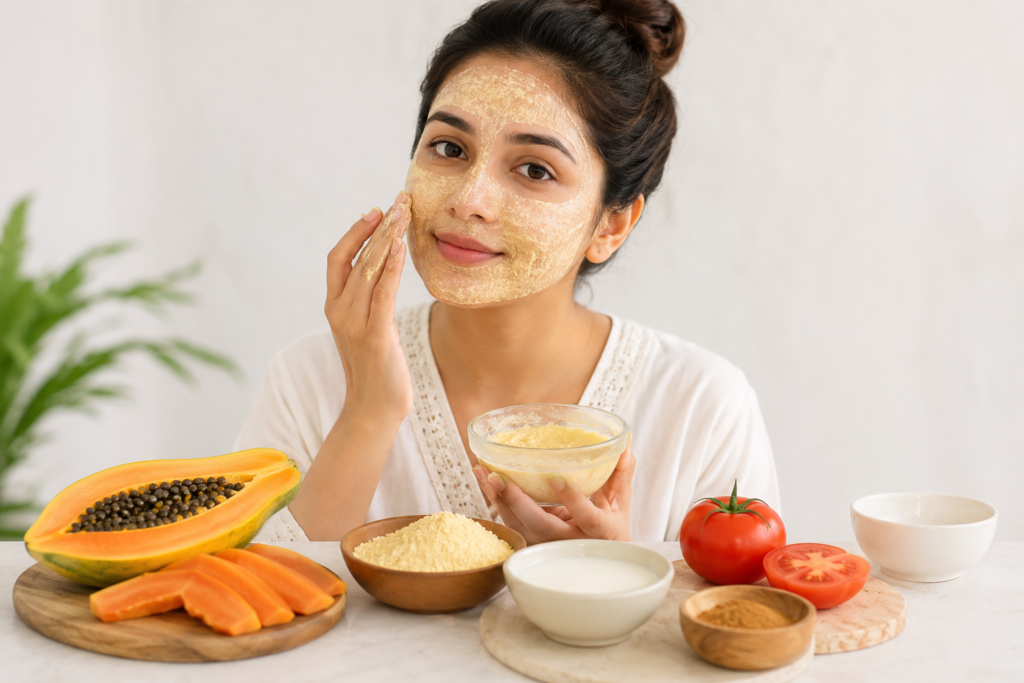
Dull, tired-looking skin often makes us feel like an expensive cream or salon treatment is the only real fix. In reality, you don’t need to spend a lot of money to bring back your skin’s natural brightness a few simple, natural methods done consistently at home can make a noticeable difference.
In this article, we’ll walk through how to brighten your skin naturally, which home ingredients actually work, and which common mistakes to avoid so your efforts don’t go to waste.
- What Does “Brightening” Actually Mean for Skin?
- Natural Ingredients That Actually Brighten Skin
- How to Brighten Skin Through Gentle Exfoliation?
- How to Brighten Dark Spots and Uneven Tone Naturally?
- Massage and Skin Techniques That Brighten Skin Naturally
- The Role of Sun Protection in Skin Brightening
- Common Mistakes That Stop Your Skin From Brightening
- Conclusion
- FAQs
What Does “Brightening” Actually Mean for Skin?
Skin brightening refers to treatments that directly improve the skin’s tone and overall appearance. It’s not just about making skin shine it also includes reducing unwanted spots, evening out skin tone, and creating an overall healthier look.
Glowing skin, on the other hand, refers to the skin’s natural radiance and health a moist, healthy shine from within. Whitening, meanwhile, generally refers to lightening the skin’s tone, often to achieve a more uniform complexion.
- Brightening: Renewing the skin with fresh cells to create a brighter appearance. This includes removing dead skin cells, restoring moisture, and evening out tone.
- Glowing: The skin’s natural radiance and health, which depends on good blood circulation, hydration, and a soft, healthy finish.
- Whitening: Reducing melanin (the pigment that gives skin its color) production to lighten the skin’s tone. This approach is often used for specific spots or to even overall tone.
Brightening vs Glowing vs Whitening — What’s the Difference
Brightening: Removing dead skin cells to reveal newer ones and even out skin tone. This leaves skin looking fresher and clearer.
Glowing: An inner radiance in the face that depends on good blood circulation, hydration, and healthy cells. Glowing skin has a natural shine, as if lit from within.
Whitening: Lightening the skin’s tone, particularly by reducing melanin, resulting in a lighter complexion. This is generally understood as making skin appear whiter, with more focus on tone than overall skin health.
Why Skin Looks Dull in the First Place?
A few common reasons skin can start looking dull include:
- Buildup of dead skin cells: When dead skin cells aren’t shed on time, the outer layer scatters light instead of reflecting it, making skin look flat.
- Dehydration: Lack of water can make skin look sunken, making fine lines more visible and creating an overall tired look.
- Barrier damage: Overusing products or combining conflicting ingredients can weaken the skin’s protective barrier, leading to redness, irritation, and a dull appearance.
- Environment and pollution: Sunlight and air pollution create oxidative stress, making it harder for skin tone to stay even. Excess sun exposure triggers melanin production, which can darken skin and lead to new spots.
Natural Ingredients That Actually Brighten Skin
Natural ingredients can help brighten skin without relying on chemical products the key is choosing the right ingredient and staying consistent.
Papaya for Natural Skin Brightening
Papaya contains an enzyme called papain that naturally helps brighten skin. This enzyme removes dead skin cells and leaves skin feeling softer. Papaya is also rich in vitamins A, C, and E, along with antioxidants that can help reduce melanin production and fade spots over time.
Some studies suggest papaya enzymes help break down melanin, improving skin tone. A simple way to use it: apply mashed or blended papaya pulp to your face for 10–15 minutes, then rinse skin often feels softer and brighter afterward.
Tomato Pulp for Even Skin Tone
Tomatoes are naturally rich in vitamin C and lycopene, both of which help protect skin from oxidative damage. The antioxidants in tomatoes may help reduce melanin, and some research suggests regular use can improve skin tone over time.
While tomatoes haven’t been directly proven to lighten skin, their juice can help clear excess oil and has a mild acidic effect that may support a more even tone. Some people mash tomato pulp and apply it to the face to even out tone and reduce spots. Always patch test first, especially if you have sensitive skin.
Gram Flour (Besan) and Yogurt Mask
Gram flour (besan) is a very gentle natural exfoliant. Its fine particles absorb excess oil and dead skin cells, leaving skin feeling clean and soft. Yogurt contains lactic acid, which gently exfoliates the skin’s outer layer while also providing moisture.
Combined, these two ingredients create a mask that removes surface buildup and dead cells while helping even out tone. A simple recipe: mix one tablespoon of gram flour with one tablespoon of yogurt into a thick paste, apply to the face, and rinse with lukewarm water after 10–15 minutes.
Sandalwood Powder for Instant Brightness
Sandalwood has been used for centuries to tone skin and even out complexion. It contains a compound called alpha-santalol, which inhibits tyrosinase the enzyme responsible for melanin production — helping reduce the appearance of spots.
Sandalwood also has a cooling, anti-inflammatory effect on skin. Mix the powder with water or rose water to make a paste, apply to the face, and rinse after 10–15 minutes. Regular use may help fade spots and bring out a more natural glow over time.
How to Brighten Skin Through Gentle Exfoliation?
Exfoliation removes the dead outer layer of skin to reveal fresher, brighter skin underneath the key is doing it in the right amount.
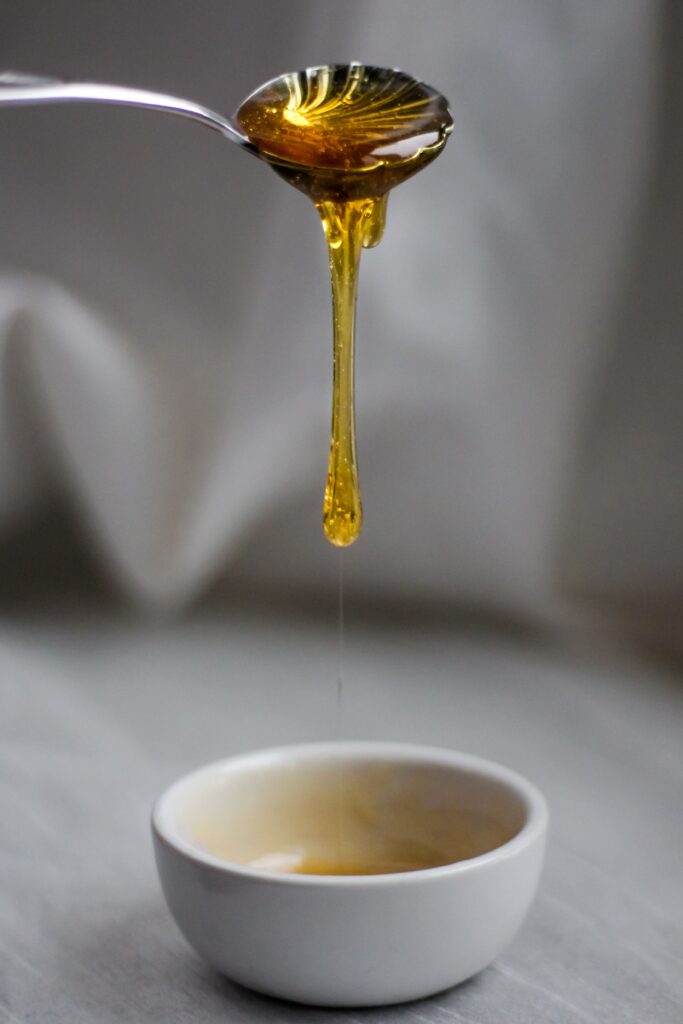
Sugar and Honey Scrub for Dead Skin Removal
Fine sugar crystals work as a gentle physical exfoliant, softly buffing away dead skin cells. Avoid very coarse sugar or harsh granules, as these can cause tiny tears in the skin. Honey is naturally a humectant, meaning it draws in and holds moisture, and it also has mild antibacterial and anti-inflammatory properties
. To make a scrub, mix a spoonful of sugar with a bit of honey and gently massage it into the skin. This helps remove dead cells and excess oil, leaving skin feeling softer and brighter. Rinse with cool water afterward and follow with a light moisturizer.
How Often You Should Exfoliate for Brightening?
Exfoliating once or twice a week is generally enough to support healthy circulation and skin renewal. General guidance by skin type:
- Oily skin: 2–3 times per week with a gentle exfoliant.
- Normal or combination skin: 1–2 times per week is usually sufficient.
- Dry or sensitive skin: Once every week or two, with a very gentle scrub.
According to Healthline’s overview of exfoliation frequency, most experts recommend exfoliating your face two to three times a week. However, people with dry or sensitive skin should generally stick to once or twice a week to avoid irritation.
Exfoliating consistently, at the right frequency for your skin type, allows new cells to surface without damaging the skin barrier which creates that natural brightening effect over time.
Signs You’re Over-Exfoliating
Exfoliating too often or too aggressively can damage your skin. Common signs of over-exfoliation include:
- Redness or inflammation
- A burning or stinging sensation
- Skin feeling dry or rough.
- Unusual small bumps or breakouts
- Irritation even from products you normally tolerate well
If you notice any of these signs, stop exfoliating immediately. Most dermatologists recommend exfoliating only once or twice a week
. Over-exfoliating weakens the skin’s barrier, which can lead to redness, irritation, or flaking. To recover, stick to a gentle moisturizer and daily sunscreen, and wait at least a month before slowly reintroducing exfoliation.
How to Brighten Dark Spots and Uneven Tone Naturally?
Fading dark spots and evening out skin tone naturally takes time, but consistent use of the right ingredients can make a real difference.
Buttermilk for Lightening Dark Spots
Buttermilk contains lactic acid, a mild, naturally occurring AHA. It gently removes the outer layer of dead skin, helping even out tone over time. Compared to lemon juice, buttermilk is far gentler and less acidic, making it a relatively safer option even for sensitive skin.
To use it, apply a small amount to the face with a cotton pad, leave it on for 10–15 minutes, then rinse with lukewarm water. Using it 2–3 times a week may gradually help fade spots. As always, patch test on a small area first.
Orange Peel Powder for Fading Spots
Orange peel powder is rich in vitamin C and natural citric acid. This combination can help reduce excess melanin and gently exfoliate dead skin cells, which may help fade spots over time. Dry orange peels in the sun, grind them into a powder, then mix with a little water or yogurt to form a paste.
Apply to the face for 10–15 minutes and rinse gently. Since it has a mild exfoliating effect, limit use to twice a week to avoid sensitizing the skin.
Consistency Timeline for Spot Fading
Fading dark spots naturally takes time, since skin cell turnover happens over several weeks. Dermatologists note that lighter spots can take anywhere from 6 to 12 months to fade, while deeper or more stubborn discoloration may take even longer.
This means home remedies used consistently over several weeks or months will show gradual improvement, not instant results. Patience and consistency matter far more than any single application, since skin discoloration doesn’t resolve quickly.
Massage and Skin Techniques That Brighten Skin Naturally
A few hands-on techniques can also improve blood circulation, giving skin both an immediate and longer-term brightening effect.
Acupressure Points for Skin Brightening
Acupressure is an ancient technique that involves applying gentle pressure to specific points on the face to improve blood flow and energy circulation. Unlike a typical massage, it focuses on pressing and releasing specific points rather than gliding motions.
Applying gentle pressure near the corners of the eyes, along the sides of the nose, and beneath the cheekbones can leave the face feeling fresher and brighter. Hold each point for 5–10 seconds, then gently release. A few minutes of this daily may help reduce puffiness and bring out a healthier-looking complexion.
Cucumber Slices for Cooling and Brightening
Cucumber is naturally cooling, with high water content, plus vitamin C and antioxidants. Chilled cucumber slices placed on the face provide instant cooling and freshness, reduce puffiness, and can leave skin looking subtly brighter.
Refrigerate cucumber for 15–20 minutes, then cut thin slices and place them on the face for about 10 minutes. You can also use cucumber juice as a daily toner it keeps skin hydrated while giving it a light, natural glow.
The Role of Sun Protection in Skin Brightening
Why Unprotected Sun Exposure Undoes All Your Efforts
UV rays (UVA/UVB) trigger melanin production in skin as a natural defense mechanism. This means that if you’re working to brighten your skin but go out in the sun unprotected, increased melanin can undo your progress.
Consistent sun exposure without protection darkens skin over time and can make existing spots more pronounced or create new ones. Dermatologists generally recommend applying sunscreen with SPF 30 or higher daily, regardless of the weather, along with wearing a wide-brimmed hat and staying in shade during peak sun hours.
Natural Ways to Minimize Sun Damage at Home
You can also support your skin from within through diet. Cucumbers, tomatoes, and watermelon contain lycopene, which offers some natural protection against sun exposure, while antioxidant-rich foods like blueberries, carrots, and green tea help protect skin from the inside out.
Vitamin C and beta-carotene found in fruits and vegetables help skin fight UV-related damage. The bottom line: never skip sunscreen, but a nutrient-rich diet can support your skin’s defenses as well.
Common Mistakes That Stop Your Skin From Brightening
- Using too many ingredients at once: Layering multiple masks or homemade ingredients together can overwhelm the skin. Test each ingredient individually otherwise, it’s hard to tell what’s helping and what might be causing irritation.
- Skipping the patch test: Always test a new ingredient or oil on a small area (like the inner elbow) before applying it to your face. This helps catch any allergic reaction or irritation early. Skipping this step can cause unexpected skin reactions and undo your brightening efforts.
Conclusion
Natural skin brightening takes patience, consistency, and the right information. Ingredients like papaya, tomato, gram flour, yogurt, sandalwood, and buttermilk can help fade spots and clear away dead skin cells when used consistently.
Simple techniques like acupressure and cucumber slices can also improve circulation and give your skin an instant, refreshed look. But above all, sun protection matters most without it, none of your other efforts will show lasting results.
Remember to test each new ingredient separately and always patch test first, so your skin doesn’t react unexpectedly. Follow these basics consistently, and you can bring back your skin’s natural brightness at home without spending money on expensive products.
FAQs
How long does it take to see results from natural skin brightening?
Most people notice a subtle difference in texture and freshness within two to three weeks of consistent use. Fading dark spots typically takes longer anywhere from a few months to over a year, depending on how deep the discoloration is.
Can I use these natural ingredients every day?
Not all of them. Gentle options like cucumber slices can be used daily, but limit exfoliating ingredients (like sugar scrubs, orange peel powder, or buttermilk) to 2–3 times a week to avoid irritating the skin.
Is it safe to combine multiple ingredients, like papaya and besan, in one mask?
It’s best to introduce one new ingredient at a time and patch test it first. Once you know your skin tolerates it well, you can combine tested ingredients but starting with too many at once makes it hard to identify what’s causing irritation.
Do I still need sunscreen if I’m using natural brightening remedies?
Yes, sunscreen is non-negotiable. Unprotected sun exposure increases melanin production, which can undo the progress made from any brightening routine, natural or otherwise.
What’s the difference between skin brightening and skin whitening?
Brightening focuses on removing dead skin cells and improving overall skin health and tone, while whitening specifically targets reducing melanin to lighten the skin’s color. Brightening is generally about a healthier-looking complexion, not necessarily a lighter one.
Source referenced: Healthline – How Often Should You Exfoliate Your Face?