
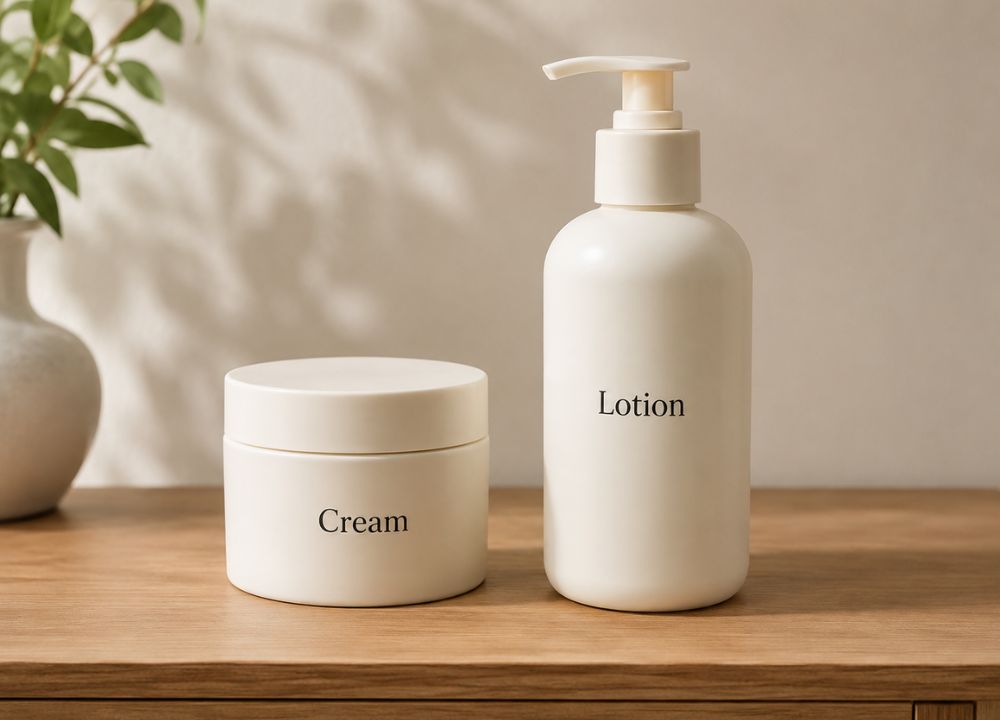
If you also feel your hands are dry, cracked, and lifeless, you may have used hand cream and hand lotion. Right? Then you may also think that both are the same or that they are different. The common question most people ask is, “Is hand cream the same as lotion?” But that’s not true!!!
Based on formulation chemistry, viscosity, oil-to-water ratio, and the effects of biological methods on the skin, hand cream and hand lotion are completely different. The basic purpose of both products indeed is the same: to moisturize the skin on the hands and protect it from dryness. Actually, the biggest difference is not in purpose; it is in formulation and performance.
Hand cream and hand lotion both moisturize the skin on the hands, but they work differently. Let’s understand with an example; think for a while;
You have two pieces of clothing: a light jacket and a warm winter coat.
1 Hand lotion is like a light jacket; it is best for daily use and gives light protection.
2) While the hand cream is like a warm winter coat. When there is intense cold weather, or your hand skin is very dry, then it gives better moisture and protection.
The above example was simple, but you also need to understand it from a scientific perspective, to understand how hand cream and hand lotion are made, what ingredients and content they contain, and which is best for which time.
What is Hand Cream?
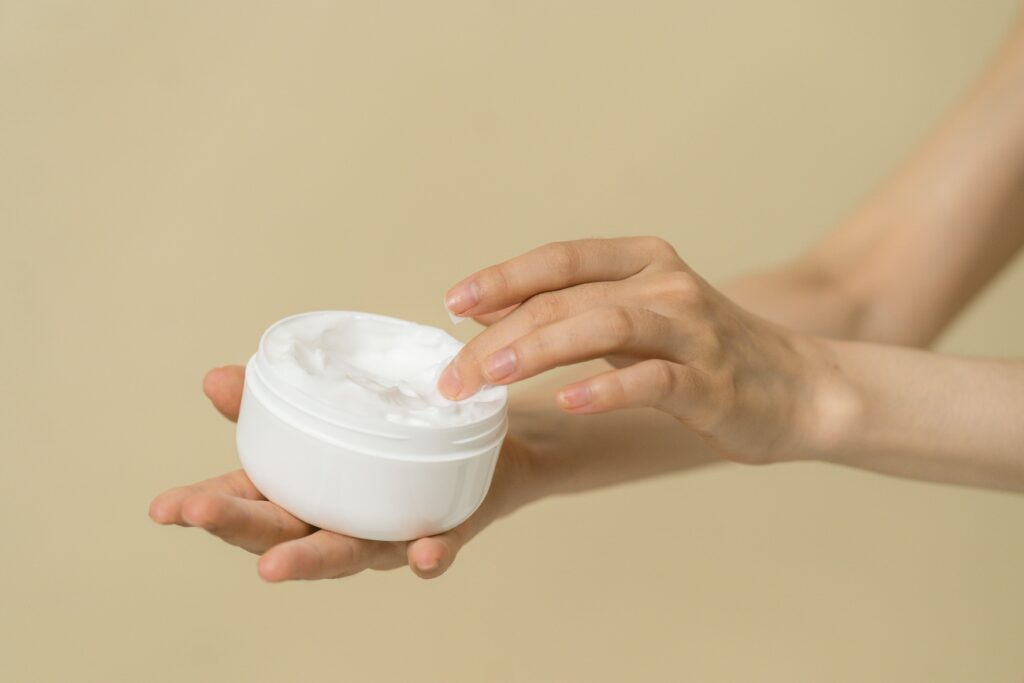
According to cosmetic science, hand cream is a thick cream that helps restore lost moisture and natural lipids by absorbing them into the skin of the hands. Hand cream is a balanced combination of water and oil, well mixed with special emulsifiers to ensure a uniform consistency.
It usually contains a high amount of oil, wax, and natural butters such as shea butter or cocoa butter, while water is relatively low. Shea butter contains fatty acids and vitamins, which help to moisturize the skin deeply, make it soft, and protect it from mild inflammation.
Research has also shown that a high-quality barrier repair hand cream has a structure similar to the skin’s natural protective layer (Skin Barrier), which helps protect and repair the skin more effectively. In contrast, balms contain no water at all, so they only use oils and waxes and usually do not require preservatives. Hand creams, on the other hand, contain water, so preservatives are added to preserve it.
Many popular hand creams are specifically designed for dry and damaged hands. For example, Neutrogena Norwegian Formula contains a high amount of glycerin, which provides deep moisture to the skin and helps reduce severe dryness.
Similarly, thick creams like O’Keeffe’s Working Hands and La Roche-Posay Cicaplast B5 create a protective layer on the skin. It helps to protect and repair sensitive, dry, or chapped skin.
What is Hand Lotion?
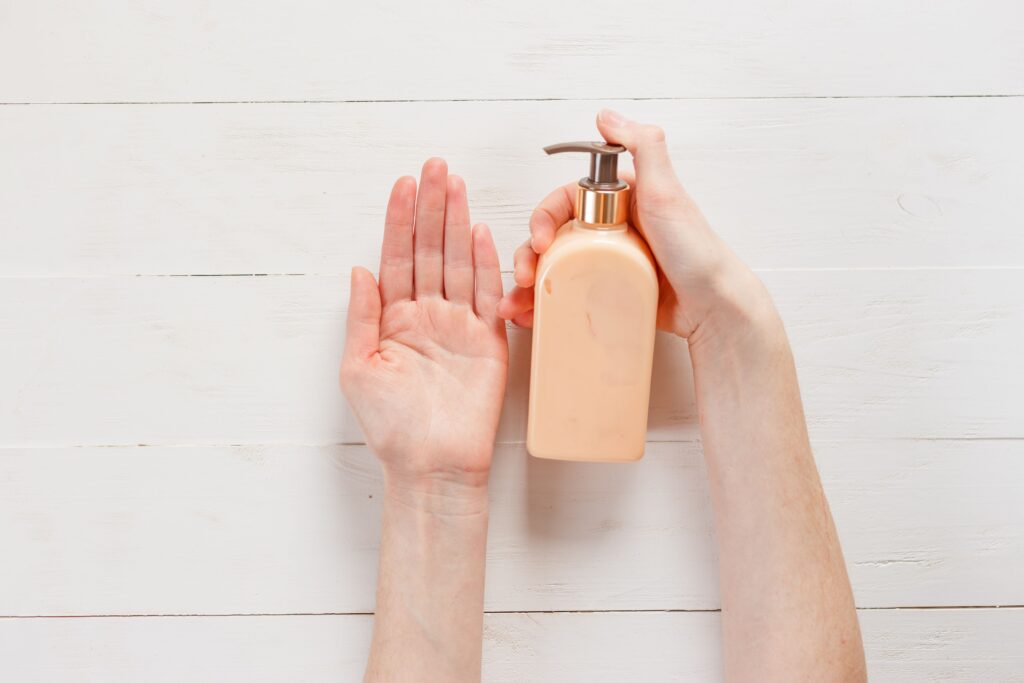
Hand lotion is a light, thin product intended to provide quick hydration to the hands without making them feel greasy or heavy. In cosmetic formulations, hand lotion is usually an oil-in-water emulsion, meaning it contains small particles of oil dispersed in water.
It has a high water content, which is why it spreads easily on the skin and is absorbed within a few minutes without leaving a sticky residue. For this reason, hand lotion is mostly sold in pump bottles.
Humectants such as hyaluronic acid, glycerin, and urea are often added to hand lotion. These ingredients draw moisture from the air and the skin’s inner layers, instantly softening the skin’s surface and leaving it fresh.
Since the water content in lotion is quite high, it is also more prone to bacterial and fungal growth. For this reason, preservatives are added to it in appropriate amounts to keep it safe. Sometimes, these same preservatives can cause mild itching or irritation in people with sensitive skin.
Some hand lotions also contain mild alpha-hydroxy acids, such as lactic acid, which help soften and remove hard, dead skin on the elbows or hands so that moisture can penetrate the skin more easily.
Is Hand Cream The Same as Lotion?
People often confuse hand cream and hand lotion as the same thing, but according to cosmetic science and dermatology, they are two different products. The difference between them lies not just in their names or marketing, but in their water-to-oil ratio. This ratio determines how the product will work on the skin.
Sometimes, due to severe dryness, your hand remains dry even after applying hand lotion. Hand lotion has a high water content, so it quickly moisturizes the skin, feels light, and absorbs quickly. On the other hand, hand cream has a high content of oil and other moisturizing ingredients. So it creates an occlusive barrier on the skin, which helps retain moisture and prevents it from drying out.
Sometimes, different brands do not clearly distinguish between the two due to their packaging or marketing, but it can be easily inferred from the packaging. If a product comes out easily from a pump bottle, it is usually a hand lotion, while if it is thick and holds its shape after being squeezed onto a finger, it is called a hand cream.
How is Hand Cream Different from Lotion?
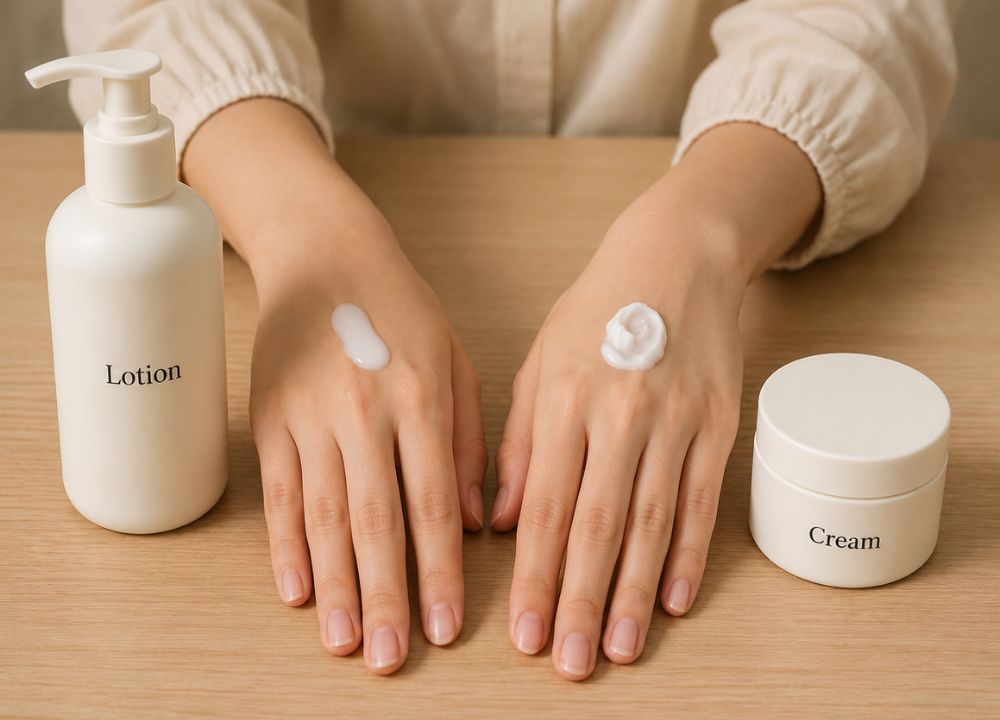
To better understand the difference between hand cream and hand lotion, it is important to know their composition, effects on the skin, and how to use them. Scientifically, the two do not have the same composition.
Different Formulations
Hand lotion has a high water content, so it spreads quickly, absorbs quickly, and provides instant moisture. On the other hand, hand cream contains high levels of oils and moisturizing ingredients, so it creates a strong protective barrier on the skin. This protective barrier helps retain moisture in the skin for longer.
How They Affect The Skin Differently
The two also differ in moisture loss from the skin (TEWL). Humectants in hand lotions provide temporary moisture to the skin by attracting water, but they cannot retain moisture for long, especially in dry or air-conditioned environments.
Emollients such as squalene and various plant oils in hand creams soften the skin, while occlusives form a protective layer on the skin. It prevents moisture from escaping, which keeps the skin soft and hydrated for longer.
Preservatives And Skin Sensitivity
Since hand lotions contain a high water content, relatively large amounts of preservatives are added to prevent spoilage. These preservatives can cause mild irritation or inflammation in some people with sensitive skin.
On the other hand, hand creams are relatively less likely to harbor germs due to their high oil and lipid content, so their composition is naturally more protective.
When Should You Use Hand Cream Instead of Hand Lotion?
There is also a difference between hand creams and lotions in terms of use. Hand cream is especially suitable for dry, rough, or cracked skin, but it should not be used on the face because its thick texture can clog the face’s fine pores. It increases the likelihood of pimples or acne.
How to Apply Hand Cream Correctly?
The best way to apply hand cream is to apply a small amount to the backs of your hands and rub them together, as the skin there is more delicate and drier.
Then, massage the skin around the finger joints and nails (cuticles) well. If there is any cream left, apply it to the palms of your hands so they are not too greasy, and it is easier to hold things while doing daily tasks.
Final Thoughts: Hand Cream VS Hand Lotion
The choice of hand cream or hand lotion depends on your skin condition, daily routine, and weather. If you live in a hot, humid area where you sweat a lot, a light, quickly absorbed hand lotion is a better choice. It provides moisture to the hands without making them greasy, which makes it easier to use a computer, a mobile phone, or a car steering wheel.
On the other hand, if the weather is very cold and dry, or you spend a lot of time in an air-conditioned environment, hand cream is more beneficial. Its thick texture creates a protective layer on the skin, retaining moisture longer, and protecting dry or cracked skin.
According to dermatologists, a good way is to use a light hand lotion as needed during the day to keep your hands hydrated frequently. Apply a good hand cream with ceramides before bed, and wear cotton gloves if possible. This helps repair the skin’s natural barrier more effectively overnight, leaving hands feeling softer in the morning.
The truth is that our skin doesn’t recognize a brand name or an advertisement; it responds to the ingredients in a product and how effective they are for the skin. So always choose a hand cream or lotion that suits your skin’s needs.
Table
| Feature | Hand Lotion | Hand Cream |
| Emulsion Type | Oil-in-Water (O/W) emulsion | Water-in-Oil (W/O) emulsion or high-oil formulation |
| Oil-to-Water Ratio | High water content (about 70–80%) with a lower amount of oils | Lower water content with a higher amount of oils, butters, and waxes (about 50% or more) |
| Emulsifiers | Hydrophilic emulsifiers (HLB 8–18), such as Polysorbate 60 | Lipophilic emulsifiers (HLB 3–6), such as Sorbitan Monostearate |
| Texture & Consistency | Lightweight, thin, and free-flowing | Thick, rich, and creamy |
| Moisture Retention (TEWL Reduction) | Provides quick hydration but offers limited long-term moisture protection | Forms a protective barrier that locks in moisture for longer (up to 98% moisture protection with petroleum jelly-based formulas) |
| Key Ingredients | Glycerin, Hyaluronic Acid, lightweight botanical extracts, and hydrosols | Shea Butter, Lanolin, Mineral Oil, Microcrystalline Wax |
| Preservative Requirement | Higher preservative content due to high water content and greater microbial risk | Lower preservative requirement because of lower water content and reduced microbial growth |
| Scientific Properties | Conductive in electrical conductivity tests; mixes well with water-soluble dyes | Non-conductive; mixes better with oil-soluble dyes |
| Representative Products | CeraVe Daily Moisturizing Lotion, Eucerin Advanced Repair Lotion | Neutrogena Norwegian Formula Hand Cream, O’Keeffe’s Working Hands |
| Packaging | Usually sold in pump bottles or standard lotion bottles | Commonly packaged in squeeze tubes or wide-mouth jars |