
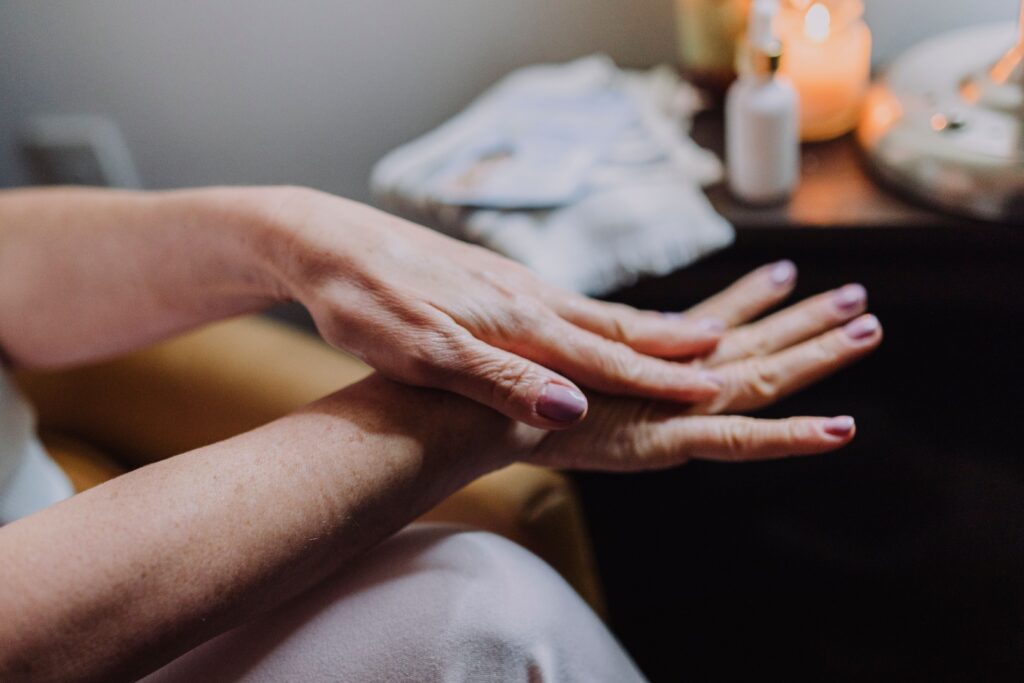
Your hands feel tight and rough right after washing, and little cracks keep showing up on your fingers. It really hurts, right?
Most people think it is just the weather, so they keep putting on more and more cream.
But the real problem is usually a weak protective layer on your hands, also called the skin barrier. When this layer is damaged, water escapes faster than any cream can replace it.
In this article, you will learn the 4 biggest causes of dry hands, how to figure out which one is yours, and the signs that it is time to see a doctor.
Everyday Habits and Weather
Dry skin happens when your skin loses its natural water and oil. Then it feels rough and itchy. Many things can cause this, including aging, dry weather, washing too often with soap or hot water, and certain health conditions.
Your daily life also plays a big part. Cold air, dry air from AC or heaters, harsh soaps, and hands that are always wet or rubbing on things all damage the protective layer of your skin. When that layer is weak, your hands cannot keep water inside. They get dry, rough, and sometimes crack.
Harsh Soap
Do you wash your hands many times a day? If your soap is too strong, it can strip your natural oils every time. At first, your hands feel just a little dry. After a few days, they start to feel rough and dull.
Rubbing and Friction
You could wash dishes, wash clothes by hand, or do some gardening. All these jobs make your hands rub against rough things.
This rubbing slowly weakens your skin’s protective layer. It can make your hands dry and rough, and even cause tiny cracks.
Your Work
If you are a nurse, a cleaner, a hairdresser, or you spend long hours in the kitchen or a factory, your hands touch water, soap, sanitizer, or chemicals all day.
Your skin gets hurt again and again. Without protection, your hands can stay dry and sensitive for a long time, even when you moisturize every day.
AC and Heaters
Do you sit in an AC room most of the day? Or near a heater in winter? Then the problem may be the dry air inside your room, not only the weather.
AC and heaters remove moisture from the air, so your skin loses water faster. Your hands feel tight and dry, and they need cream again and again.
Products and Chemicals That Dry Your Hands
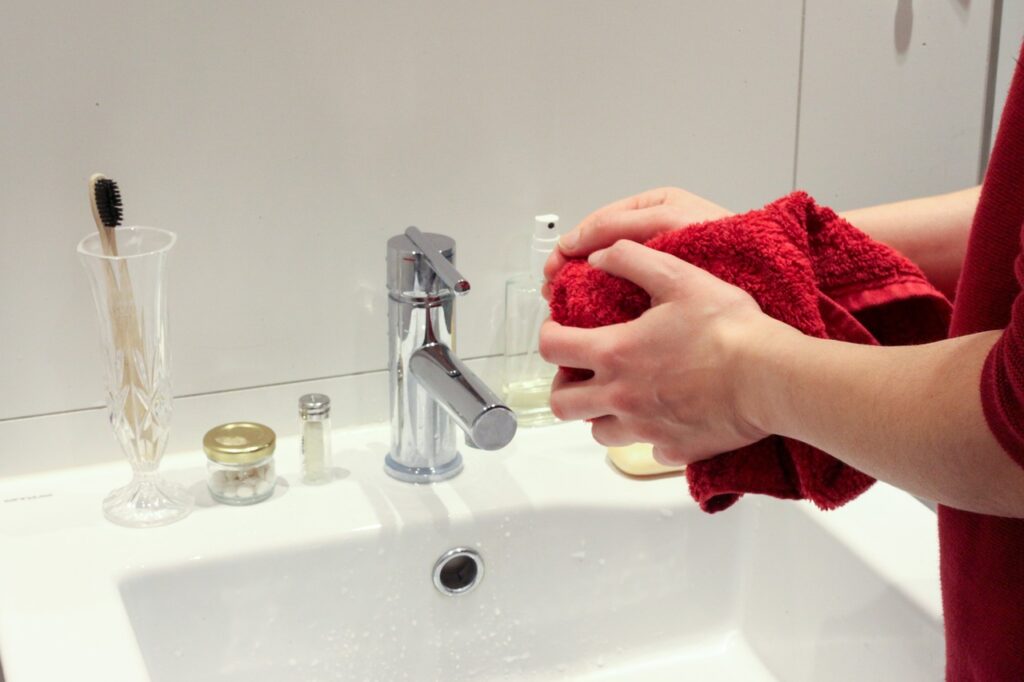
Sometimes dry hands have nothing to do with the weather. They come from things we use every day without thinking.
Hand soap, dish soap, cleaning products, makeup, and even some gloves have ingredients that slowly weaken your skin’s protective layer. According to the American Academy of Dermatology, anything that irritates your skin can cause problems on your hands. Working with detergents, solvents, or other chemicals makes the risk even higher. When the protective layer is weak, your hands cannot retain water, so they become dry, rough, and sometimes itchy.
Strong Cleaning Ingredients in Soap
Imagine you just washed the dishes or used hand wash a few times today. Your hands are clean. But if the soap has strong cleaning ingredients, it removes not only dirt but also your skin’s natural oils.
That is why your hands start to feel tight, dry, or rough after some time.
Perfumes and Preservatives
Have you ever felt a little itch or burning after using a new hand cream, hand wash, or lotion?
That doesn’t always mean the product is bad. Some skin is just more sensitive to perfumes and preservatives (the ingredients that keep a product fresh). Your skin may react with dryness, redness, and itching. A gentle hand cream without added perfume can make a big difference.
Wearing Gloves for Long Hours
If your job requires rubber or latex gloves for many hours, avoiding chemicals alone isn’t enough.
Sweat gets trapped inside the gloves, which can soften and weaken your skin. Some gloves can also cause allergies in sensitive people. If you work in cleaning, healthcare, or food service, your hands may slowly feel dry, itchy, or sensitive. These signs mean your skin’s protective layer is being damaged.
Your Body and Your Genes
Have you ever seen two people who live in the same place and use the same soap, but one has dry hands all the time, and the other doesn’t?
It is not only the weather or daily habits. Sometimes your skin, hormones, and genes also play a big part. Some people’s skin is not as good at holding water, so their hands get dry more easily.
Thick Skin With No Oil Glands
The skin on your hands, especially your palms, is thicker than on most other parts of your body. But here is something interesting: your palms have no oil glands.
So when your hands get dry, they cannot make their own oil to fix it. That is why your hands feel dry much faster than your face.
Changes in Hormones
Sometimes you do not change anything in your routine, but your skin suddenly feels drier. One reason can be hormone changes that come with age.
As you get older, your skin makes less natural oil. In women, skin also loses water faster after menopause, when estrogen becomes lower. This can make hands feel even drier.
Your Genes
If your hands stay dry even when you take great care of them, your genes may be the reason.
Some people are born with less of the natural fats and proteins that help skin hold water. As a result, their skin loses water faster, and their hands get dry and rough more easily.
Health Problems Behind Dry Hands
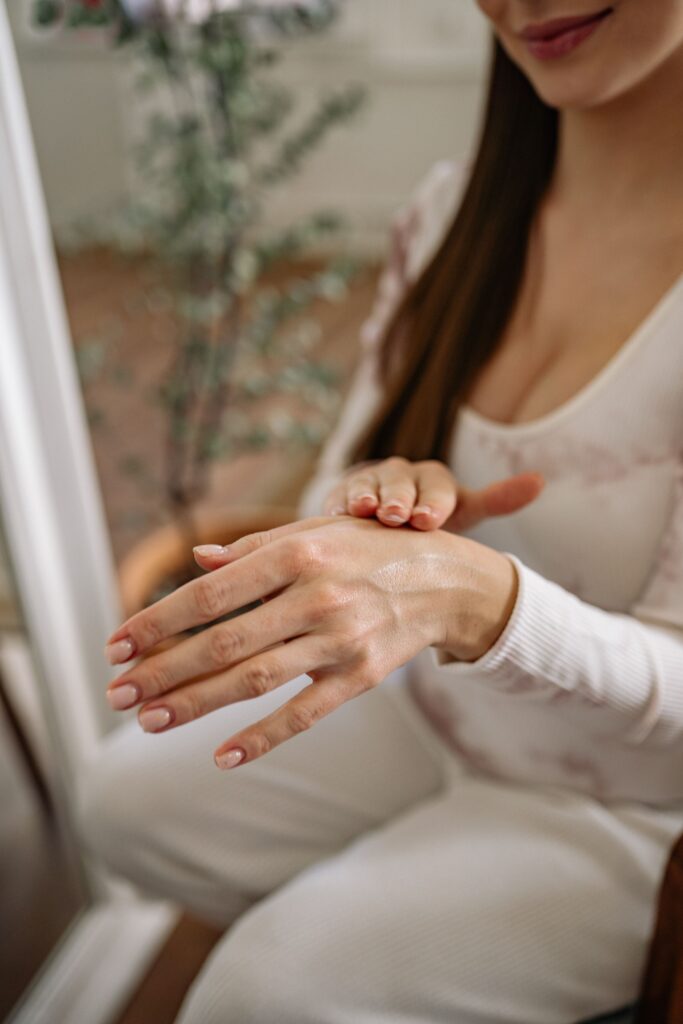
You can take good care of your hands, use the right moisturizer, and protect them from the weather, but dryness may remain. Then the cause may not be only external factors.
Some skin problems and health problems can cause long-lasting dry hands. Along with dryness, you may also see itching, redness, rashes, blisters, or skin that keeps cracking. Not sure what is normal? This guide on what dry hands look like can help you compare. If these signs keep coming back or last a long time, please don’t ignore them.
Skin Allergy or Irritation (Contact Dermatitis)
Let’s say your hands turn red, itchy, or dry every time you use a certain soap, detergent, sanitizer, jewelry, or cleaning chemical.
This can signal contact dermatitis. It means your skin is reacting to a specific trigger, which damages the protective layer and worsens dryness.
Small Itchy Blisters (Dyshidrotic Eczema)
Have you ever had tiny, itchy, water-filled bumps on the sides of your fingers or on your palms that later dry out and peel? This can be dyshidrotic eczema.
It often starts with allergies, stress, or heavy sweating. It leaves the skin on your hands dry, sensitive, and rough.
Health Problems Inside the Body
Sometimes dry hands signal an illness inside the body. For example, diabetes or kidney disease can disrupt your body’s water balance and slow skin healing.
In this case, moisturizer alone will not fully fix the dryness, because the real problem is inside. If your dry hands come with a lot of thirst, strange tiredness, or other signs, please see a doctor.
FAQs
Can washing my hands too much cause dry skin?
Yes. Washing too often, especially with hot water and strong or antibacterial soap, takes away your natural oils. Your hands can become dry, rough, and sometimes cracked. To avoid this, use a fragrance-free moisturizer after every hand wash.
Which vitamin problem can cause dry hands?
Most of the time, dry hands come from weather, soap, or daily habits. But sometimes not having enough vitamin A, D, E, or B can also add to dry skin. If the dryness stays even with healthy food and good skincare, or if you have other signs, please talk to a doctor.
When can dry hands be a sign of a health problem?
If your hands stay dry for many weeks, don’t improve with moisturizer, or come with strong itching, redness, blisters, cracks, or bleeding, it may be eczema, contact dermatitis, diabetes, or another health problem. Please see a skin doctor.
Do hands get dry only in winter?
No. Hands get drier in winter because the air has less moisture. But washing too often, sitting in AC, using harsh soaps or sanitizers, and touching cleaning chemicals can dry your hands in summer too. Want a full plan to fix it? Read our guide on how to get rid of dry hands.