
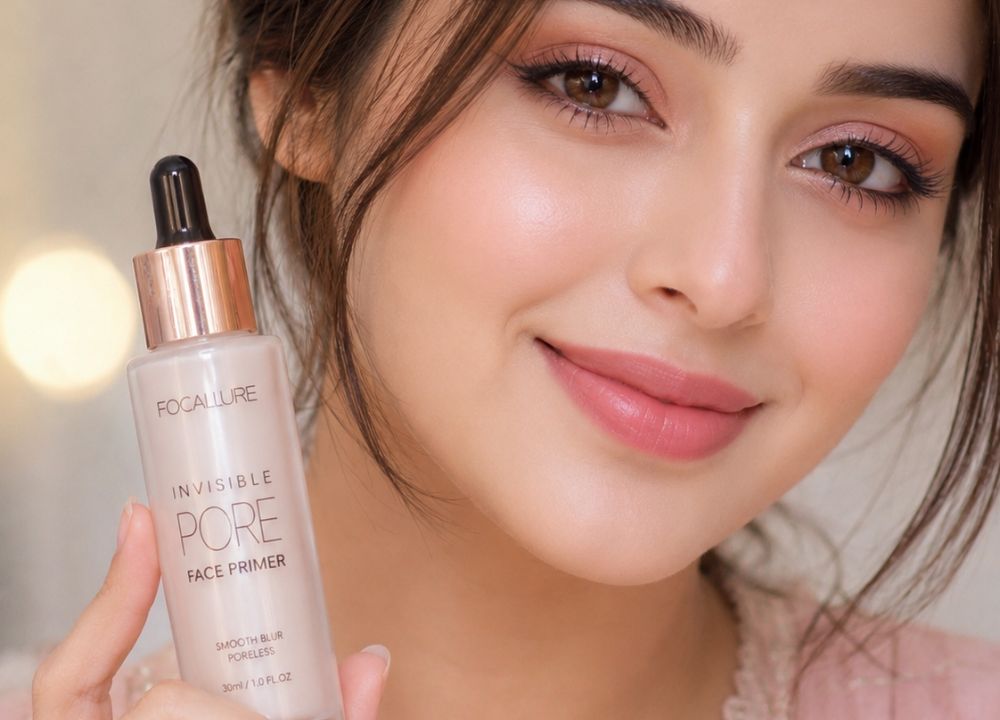
You spend time doing your makeup, but by noon, it starts fading, creasing, or looking patchy. That is one of the most frustrating things, especially when you have somewhere important to be. The problem isn’t your foundation; it is what you skip before it.
Without a proper base, the foundation sits unevenly on your skin. It settles into pores, cracks into fine lines, and slides off within hours. You end up looking cakey instead of fresh, and that ruins the whole look.
This is exactly where primer comes in. It fills in gaps, smooths the surface, and gives your foundation something to hold onto. According to Byrdie, primer creates a barrier between your skin and makeup, helping everything stay in place longer.
Understanding what a primer does for makeup can completely change how your face looks by midday. It is a small step that makes a big difference in how your makeup performs.
- What Makeup Primer Does For Your Face
- How Primer Creates a Smooth Base For Foundation
- What Makeup Primer Does For Your Skin
- Can Primer Help Oily Or Dry Skin Types?
- Is Primer Good For Sensitive Or Acne-Prone Skin?
- How Long Does Primer Last?
- Do You Really Need Primer Before Foundation?
- How To Apply Primer Correctly
- Best Primer By Skin Type
- Primer vs Moisturizer vs Setting Spray
- FAQs
What Makeup Primer Does For Your Face
Apply primer before any other makeup. It smooths the surface so your skin looks more even before you even apply foundation.
Think of it like preparing a wall before painting. Without that prep, the paint looks uneven, but with it, everything looks clean and polished.
When you apply primer, it fills in small bumps and texture on your skin. Your foundation then glides on much more smoothly and looks more natural.
How Primer Creates a Smooth Base For Foundation
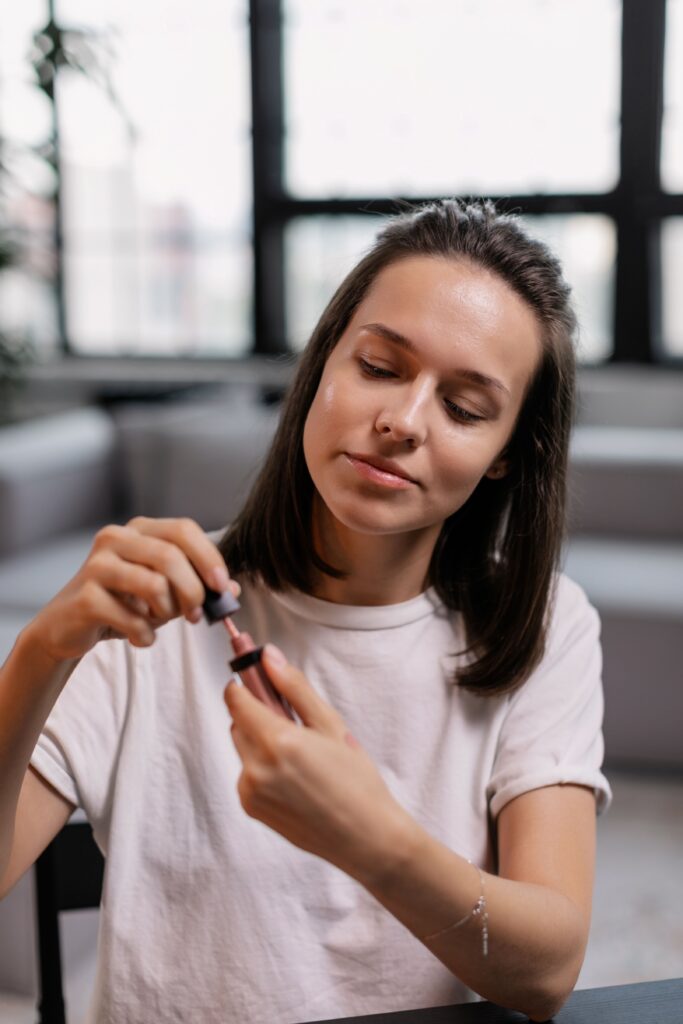
Primer sits on top of your skin and fills in small uneven areas. When your skin has a smooth surface, foundation spreads more evenly and looks far better.
Without primer, foundation tends to grip onto dry patches or slip on oily areas. Primer balances that out so your base coat stays where it should.
How Primer Minimizes Pores And Fine Lines
Pores and fine lines are two of the things that make foundation look heavy or cakey. Primer fills those in slightly so the surface looks smoother before foundation goes on.
It does not permanently shrink your pores, but it makes them much less visible in photos and in real life. That alone is a reason many people refuse to skip it.
Does Primer Help Foundation Look Better on the Skin?
Yes, and the difference is actually visible. Foundation on primed skin looks more blended, more natural, and less like it is sitting on top of your face.
On unprimed skin, foundation often separates or looks patchy within a few hours. Primer gives it a surface to bond with, so it stays looking fresh much longer.
What Makeup Primer Does For Your Skin
Primer is not just about how your makeup looks; it also affects how your skin is treated under all that product. Some primers actually have ingredients that help your skin while you wear them.
It creates a layer between your skin and the chemicals in foundation, which can help people who wear makeup daily.
Does Primer Protect Your Skin Under Makeup?
A good primer acts like a light shield between your skin and your foundation. This is helpful because some foundations contain ingredients that can clog pores or irritate skin over time.
According to Healthline, certain primers with SPF or antioxidants can even offer minor protection from environmental damage. That is a bonus most people do not think about.
Can Primer Help Oily Or Dry Skin Types?
If your oily skin gets shiny, a mattifying primer can control shine without you having to blot every hour. It absorbs excess oil at the surface, so your skin stays fresh-looking through the day.
For dry skin, a hydrating primer adds moisture before foundation. This keeps foundation from clinging to dry patches and makes the look much more comfortable to wear.
Is Primer Good For Sensitive Or Acne-Prone Skin?
Sensitive skin needs a primer that is gentle, fragrance-free, and non-comedogenic. Many brands now make primers specifically for this skin type, and they work really well.
For acne-prone skin, a primer with salicylic acid or niacinamide can actually help calm breakouts while you wear it. Always check the ingredient list before buying.
How Long Does Primer Last?
Primer does not just disappear after you apply foundation. It stays active underneath and keeps doing its job for as long as you wear your makeup.
Most primers are designed to last through a full day of wear, which is usually 8 to 12 hours, depending on your skin type.
Does Primer Help Makeup Last Longer Throughout The Day?
This is one of the biggest reasons people use primer in the first place. It gives foundation something to grip onto, so everything stays in place longer than it would on bare skin.
Without primer, foundation tends to fade, separate, or slide off by midday. With primer, your whole makeup look holds together much better.
How Long Should You Wait After Applying Primer Before Foundation?
Most people make the mistake of applying foundation right away. You should wait about 1 to 2 minutes after the primer so it can set slightly on your skin.
If you rush, the primer and foundation mix instead of layering properly. That small wait makes a real difference in how your makeup looks and lasts.
Do You Really Need Primer Before Foundation?
Not everyone feels they need a primer, and that is fair. But most people who try it properly do not go back to skipping it.
It is one of those steps that feels optional until you see what your makeup looks like with and without it side by side.
Can You Skip Primer If You Have Good Skin?
Even people with good skin can benefit from primer. Good skin means fewer skin concerns, but primer still helps makeup stay on and look better.
If your skin is well-moisturized and your foundation applies smoothly already, you might get away with skipping it sometimes. But on days that matter, primer is worth the extra minute.
What Happens If You Apply Foundation Without Primer
A foundation without primer often looks fine at first. The real difference shows up 4 to 5 hours later when it starts fading, creasing, or looking patchy.
Your pores become more visible, and foundation settles into fine lines much faster. That is when you wish you had taken 60 seconds to apply primer before starting.
How To Apply Primer Correctly
Applying the primer the wrong way can make it less effective. The order, amount, and tools all matter more than most people think.
Getting this step right is what makes the difference between a primer that works and a primer that feels pointless.
How Much Primer Should You Use?
Less is more with primer. A pea-sized amount is usually enough for your whole face, and using too much can make your skin look heavy or greasy.
Start small and build up only if needed. Over-applying primer is one of the most common mistakes people make when they first start using it.
Should You Apply Primer With Fingers, Brush, or a Sponge?
Fingers work well for most primers because the warmth helps them blend into skin naturally. A damp sponge is great for water-based primers and gives a very smooth finish.
Brushes are less common for primer, but they work fine for thicker formulas. Try different tools and see which one gives your skin the smoothest result.
Where Exactly Should You Apply Primer?
Focus primer on the areas where your makeup fades or where your pores are most visible. For most people, that is the T-zone, nose, and chin area.
You do not need to cover your entire face unless your skin needs it everywhere. Being strategic with where you apply it actually makes the primer more effective.
Best Primer By Skin Type
Not all primers are made the same, and using the wrong one for your skin type can make things worse. Picking the right formula matters as much as applying it correctly.
Always read the label and look for keywords like mattifying, hydrating, or pore-filling to find the right match for your skin.
Best Primer For Oily Skin To Control Shine
Oily skin needs a mattifying primer that controls shine from the start. Look for formulas with silica or clay, which absorb oil without drying your skin out.
According to Allure, some of the best primers for oily skin are lightweight, oil-free, and keep shine under control for up to 12 hours. Avoid anything labeled dewy or luminous, as it will only add more shine.
Best Primer For Dry Skin To Add Hydration
Dry skin needs a primer that adds moisture, not one that fills pores. Look for hydrating primers with ingredients like hyaluronic acid, glycerin, or aloe.
These formulas add a layer of comfort under your foundation and stop it from clinging to dry patches. Your skin will feel softer and look much more glowy by the end of the day.
Best Primer For Large Pores And Uneven Texture
Pore-filling primers usually have a slightly thicker texture and smooth down into the skin when blended. They create a blurred, airbrushed look that makes pores almost invisible under foundation.
Silicone-based primers are the most popular for this purpose because they fill in texture really well. Just make sure you are using a gentle cleanser to remove them fully at the end of the day.
Primer vs Moisturizer vs Setting Spray
A lot of people mix these up, and it is easy to see why. Moisturizer, primer, and setting spray all feel similar, but they do completely different jobs.
Knowing what each one does helps you use them in the right order and get the best results from your full makeup routine.
The Difference Between Primer And Moisturizer
Moisturizer is skincare; primer is a makeup product. Moisturizer hydrates your skin and absorbs into it, while primer sits on top and prepares the surface for makeup.
Always apply moisturizer first, let it absorb, then apply primer on top. Skipping moisturizer and relying only on primer is a common mistake that leads to dry, uncomfortable skin under makeup.
The Difference Between Primer And Setting Spray
Primer goes on before foundation, and setting spray goes on after everything is done. They work as a team: primer prepares your base, and setting spray locks everything in at the end.
Setting spray is like a final seal over your makeup, while primer is the foundation of the whole look. Using both gives your makeup the best possible chance of lasting all day.
FAQs
Can I use primer every day?
Yes, primer is safe for daily use. Just make sure you remove it fully at night with a good cleansing oil so it does not clog your pores over time.
Does primer cause breakouts?
It can, if you use the wrong formula for your skin. Always choose a non-comedogenic primer, especially if your skin is acne-prone.
Can primer replace moisturizer?
No, they are two different products. Moisturizer feeds your skin; primer preps the surface for makeup.
How long does a primer tube usually last?
A small tube of primer lasts most people 2 to 3 months with daily use. Since you only need a pea-sized amount each time, it goes a long way.
Is expensive primer actually better than drugstore primer?
Not always. Many drugstore primers perform just as well as high-end ones. The key is finding the right formula for your skin type, not the price tag.