

Your skin feels tight, rough, and itchy all the time. No matter what lotion you use, the dryness comes back fast. That is the reality of extremely dry skin, and it is more frustrating than most people realize.
The real problem is not just dryness itself. It is because the skin barrier is broken, so moisture keeps escaping. When your skin cannot hold water on its own, nothing you apply seems to last.
If you ignore it for too long, things get worse. Untreated dry skin can crack open and bleed, and open sores from these cracks expose your body to germs that can cause infections. That is not just a comfort issue; it becomes a health issue.
So what do dermatologists recommend for extremely dry skin? The answer is not one product or one habit. It is a combination of the right ingredients, the right routine, and a few easy changes to what you do every day.
This guide covers exactly that. You will find clear, honest advice based on what skin doctors actually say, not just what product brands want you to believe.
Dermatologist-Recommended Products for Extremely Dry Skin
When your skin is very dry, the products you choose matter a lot. Most people reach for light lotions, but those are usually too watery to help deeply dry skin.
Dermatologists say the best moisturizers for dry skin contain two or three key ingredients, no fragrance, and not too much water. Right now, gel or gel-cream moisturizers are popular, but these may be too light for people with dry skin. You need something thicker, something that actually stays on your skin and seals moisture in.
Look for creams or ointments with ceramides, glycerin, or hyaluronic acid. Ointments and creams are preferred over lotions because lotions usually contain alcohols, which can dry the skin by evaporation and are not as beneficial for hydration. Petroleum jelly is one of the oldest and most effective options for very dry patches, especially on hands and heels.
Fragrance is another thing to watch. Even if a product smells nice, that fragrance can irritate already dry and sensitive skin. Always go for fragrance-free labels, not just unscented, because unscented products can still have chemicals that mask smells and cause reactions.
Best Moisturizer for Extremely Dry Skin, Dermatologist Recommended
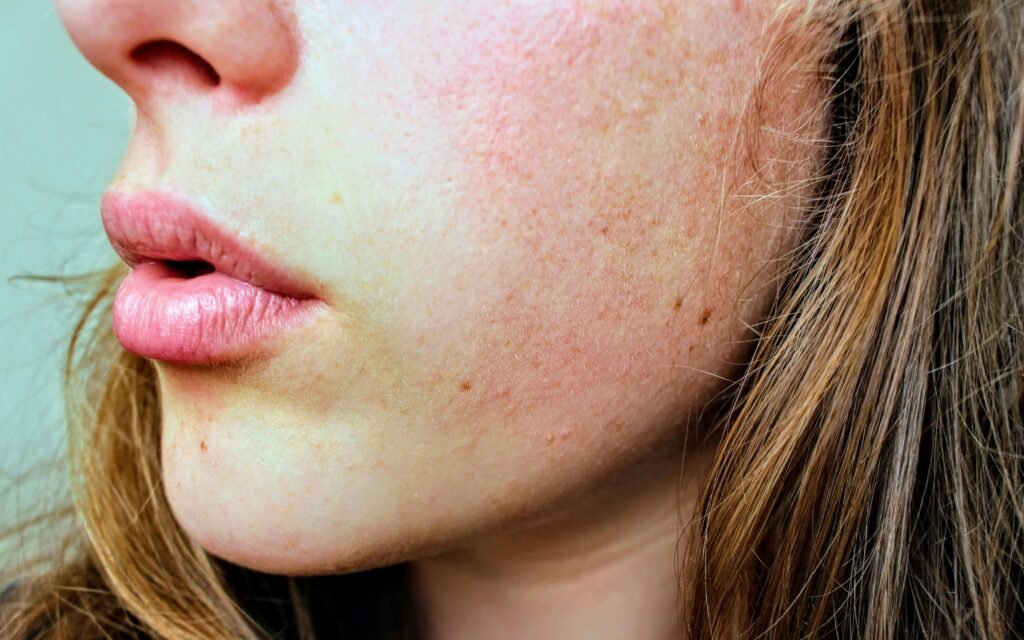
Not all moisturizers work the same way. Dermatologists think about three layers when they recommend something: ingredients that draw water in, ingredients that hold water there, and ingredients that form a barrier so water does not escape.
Humectants like hyaluronic acid, glycerin, and urea draw moisture from deeper layers of skin into the outer layer. But moisturizers with humectants should also contain an occlusive so the moisture drawn to the skin barrier does not evaporate. That is why a single-ingredient product usually is not enough.
Ceramides are especially important. Ceramides are waxy fat molecules that make up part of the skin barrier, and they often decrease with age. A ceramide moisturizer helps replenish them and make skin strong, supple, and soft. Brands like CeraVe and Cetaphil are popular recommendations because they include these key ingredients without unnecessary extras.
How Do Dermatologists Treat Extremely Dry Skin
When home care is not enough, a dermatologist looks deeper. They do not just prescribe a product and send you home. They look at the full picture, including your habits, your environment, and whether something medical might be causing the dryness.
If dry skin continues after trying tips at home, it may be due to an underlying condition like atopic dermatitis, psoriasis, or kidney disease. Without treatment for the condition, both the dry skin and the condition can worsen. This is why persistent dryness should never be ignored.
For severe cases, a dermatologist may prescribe a corticosteroid cream for short-term use to calm inflammation. They may also recommend prescription moisturizers with higher concentrations of urea or lactic acid. Treatment options include hydrating creams with ceramides or glycerin, prescription topical steroids to reduce inflammation, and exfoliating treatments for thicker skin problems.
The goal is always to repair the skin barrier, not just mask the dryness. Once the barrier is working again, your skin can start holding moisture on its own.
Dermatologist Tips for Dry Flaky Skin
Flaky skin is a sign that your skin barrier is not holding moisture. Dead skin cells build up on the surface, and no amount of moisturizer helps much until those are gently cleared away.
One thing most people do wrong is showering in hot water. Dermatologists recommend limiting showers to five to ten minutes using warm water, closing the bathroom door to help keep humidity in, and patting skin dry gently instead of rubbing. These small changes protect the moisture that is already in your skin.
Right after patting dry, apply your moisturizer immediately. The window is just a few minutes, and missing it means your skin starts losing moisture before you have even put your clothes on. This one habit alone can make a visible difference within days.
What Helps Extremely Dry Itchy Skin
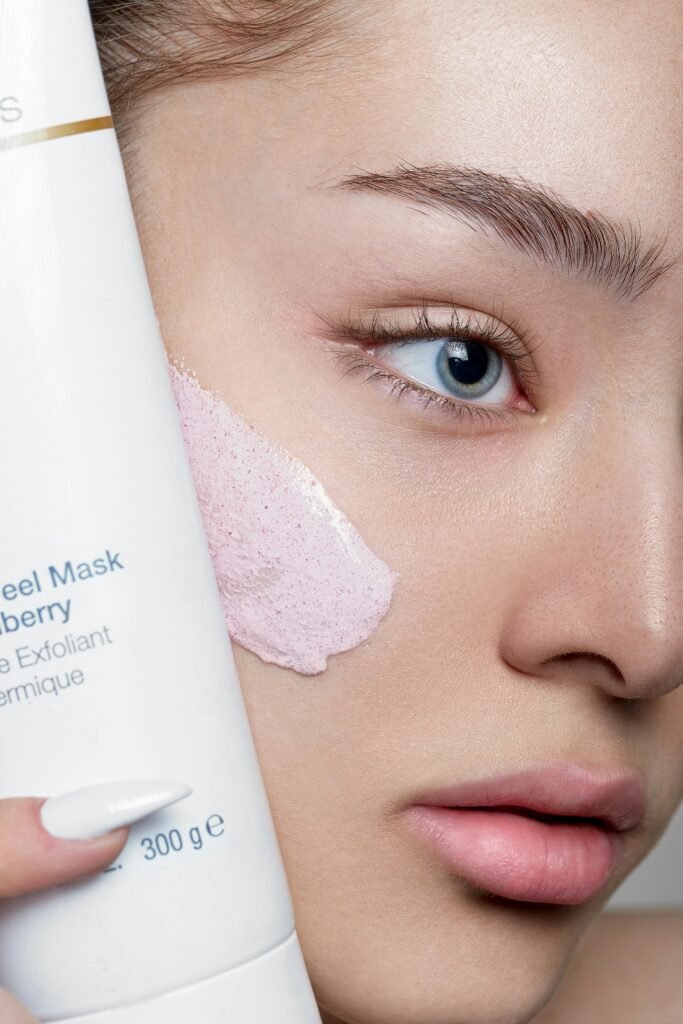
Dryness and itching usually go together. When the skin barrier is damaged, nerve endings on the surface become more sensitive. The itch-scratch cycle can break down your skin even further.
If dry skin is extremely itchy or tends to crack, a doctor might prescribe a topical steroid to ease inflammation. Oral or injectable medications may be needed if the condition is severe. But before it gets to that point, a few habits can calm things down.
A humidifier in your bedroom is a simple but effective tool. Dry indoor air pulls moisture from your skin even while you sleep, so adding humidity to your environment gives your skin a better chance overnight. A portable home humidifier adds moisture to the air inside your home, and placing it in your bedroom while you sleep can help relieve dry, itchy skin significantly.
What Do Dermatologists Recommend for Extremely Dry Facial Skin
Facial skin is thinner and more sensitive than the rest of your body. What works on your legs or arms can feel too heavy or irritating on your face, so product selection matters even more here.
Dermatologists usually suggest a gentle, fragrance-free cleanser that does not strip natural oils. Avoid foaming cleansers with sulfates, as these clean too aggressively and leave the face feeling tight. A cream or milk cleanser is almost always the better choice for dry facial skin.
For moisturizing, use a thicker cream at night when your skin has time to absorb it. During the day, a lighter but still hydrating formula works better, especially if you are going outside. Always follow up with SPF, because sun exposure worsens dryness and damages an already compromised skin barrier.
Dermatologist-Approved Routine for Dry Skin
A good routine does not have to be complicated. Most people with dry skin actually overdo it, using too many products that end up irritating more than they help.
Morning is simple: gentle cleanser, hydrating moisturizer, SPF. That is it. Do not skip the sunscreen even when it is cloudy, as UV rays still hit your skin and break down its ability to retain moisture. At night, cleanse again and apply a thicker cream or even a layer of petroleum jelly on the driest spots.
Use only gentle, unscented skin care products. When your skin is dry, stop using deodorant soaps and products that contain alcohol, fragrance, retinoids, or alpha-hydroxy acids, as these will help your skin retain its natural oils. Keeping the daily skincare routine simple and consistent is what actually works.
What Do Dermatologists Recommend for Extremely Dry Skin on Legs
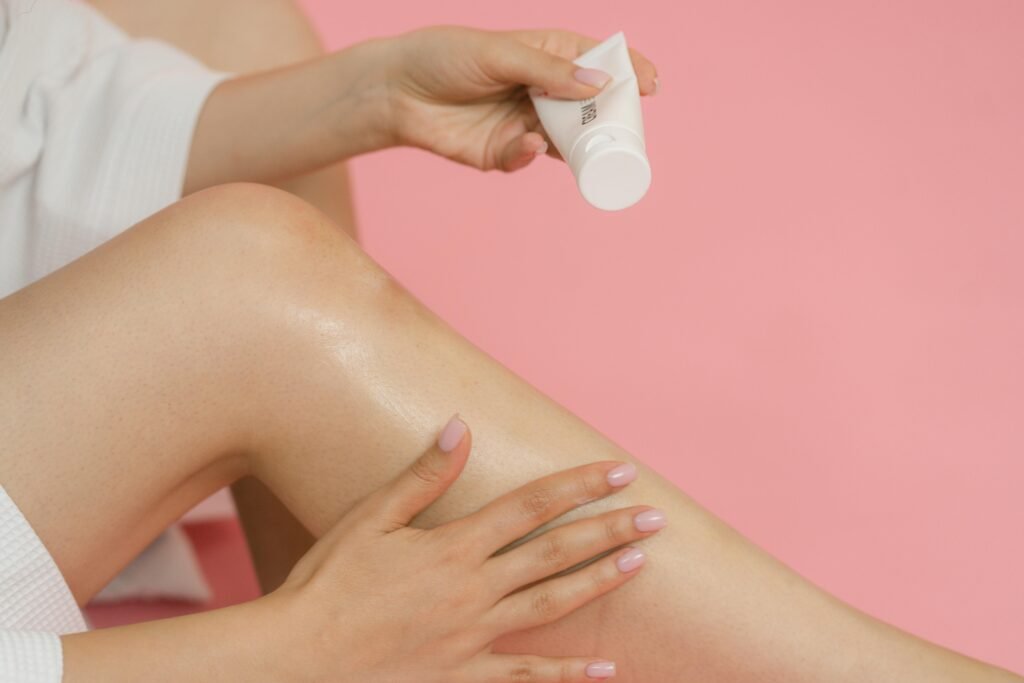
Legs are one of the most ignored parts of a skincare routine. People moisturize their face carefully but then skip their legs entirely, and over time, the skin there becomes very dry and rough.
Legs are particularly prone to dryness because they have fewer sebaceous glands than other areas like the face or hands. They also get less moisturizing attention and are often irritated by friction from clothing and physical activity.
Dermatologists recommend applying a thick, ceramide-rich body cream to legs right after a shower while the skin is still slightly damp. For very dry knees and shins, petroleum jelly or a shea butter-based cream works well at night. Wearing loose cotton clothing instead of tight fabrics also reduces friction and gives dry leg skin a chance to heal.
Extremely Dry Skin Home Remedies, Dermatologist Tips
There are some home remedies that dermatologists do not dismiss. The key is picking ones that are actually safe for damaged, dry skin, not just trendy or viral online.
Oatmeal is one of the most backed options. Colloidal oatmeal has been used for decades in medical skincare and helps calm inflammation and itching. You can add it to a lukewarm bath or look for it in over-the-counter creams. Ground oatmeal mixed with jojoba or olive oil can be gently rubbed on dry itchy patches, then rinsed off, leaving skin softer.
Coconut oil is another option for non-facial areas. It works best as an overnight treatment on very rough spots. However, it is comedogenic, meaning it can clog pores, so avoid it on your face or chest. For the body, especially elbows, knees, and heels, it provides a decent barrier through the night.
Honey is also worth mentioning. It has natural humectant and antibacterial properties, making it useful for both moisturizing and protecting cracked skin. Mix it with a little warm water and apply it to dry patches for a few minutes before rinsing, and it can offer noticeable relief even for stubborn dryness.
FAQs
What do dermatologists recommend for extremely dry skin?
They recommend thick, fragrance-free creams or ointments with ceramides, glycerin, or hyaluronic acid. Apply immediately after bathing to lock in moisture while your skin is still damp.
What is the best moisturizer for extremely dry skin?
Look for one with ceramides and glycerin together. CeraVe Moisturizing Cream and Vanicream are popular dermatologist picks because they hydrate well without irritating ingredients.
Can extremely dry skin be a sign of something serious?
Yes, it can. Rarely, dry and itchy skin can indicate a more serious health problem, such as diabetes or kidney disease. If basic care is not helping, see a dermatologist.
How often should I moisturize extremely dry skin?
At least twice a day. Morning after washing your face, and at night before bed. For very dry body skin, right after every shower is the best time.
Is drinking water enough to fix dry skin?
Not on its own. Drinking water helps overall health, but dry skin is mainly caused by moisture loss from the outer skin layer. You need both internal hydration and topical moisturizers to actually see a difference.